
Intricately chiselled bronze catching the ambient light; wheel-thrown clay rising in sculptural forms; hand-carved timber bearing the delicacy of an illuminated manuscript. Across these organic, tactile materials, ancestral techniques find new forms of expression.
When The Metropolitan Museum of Art and Vacheron Constantin conceived their Artisan Residency Programme, launched in May 2025, the ambition was not simply to preserve traditional craftsmanship, but to explore how it might evolve in the hands of a new generation. Three artisans were invited to spend eighteen months drawing inspiration from two remarkable repositories of knowledge: the museum’s encyclopaedic collections on Fifth Avenue and the watchmaker’s ateliers in Geneva, where centuries of horological expertise continue to inform the art of making.
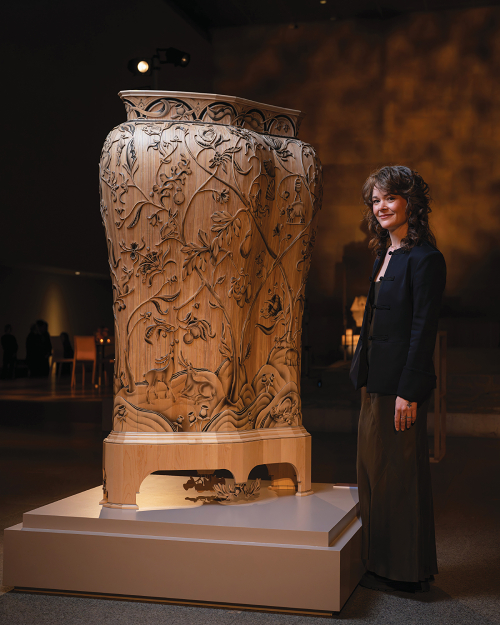
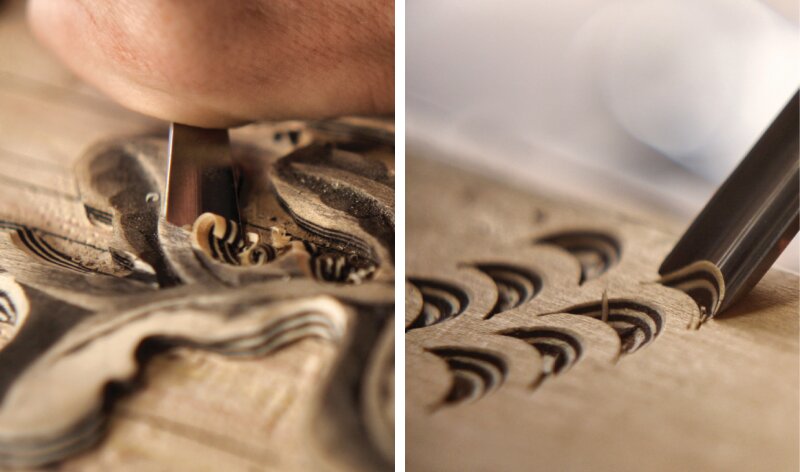
Inspired by the ornate carvings on 17th- to 19th-century American furniture in The Met’s collection, designer Aspen Golann conceived Vessel, a striking five-foot-tall wooden sculptural work that brings together carpentry, sculpture, and cabinetmaking. Its bas-relief surface reinterprets the luxuriant flora and fauna motifs associated with New Haven cabinetmakers. Her appreciation for intricate detail was further informed by time spent in Vacheron Constantin’s workshops, where studying the engraving and enamelling of heritage timepieces deepened her understanding of precision and ornament.
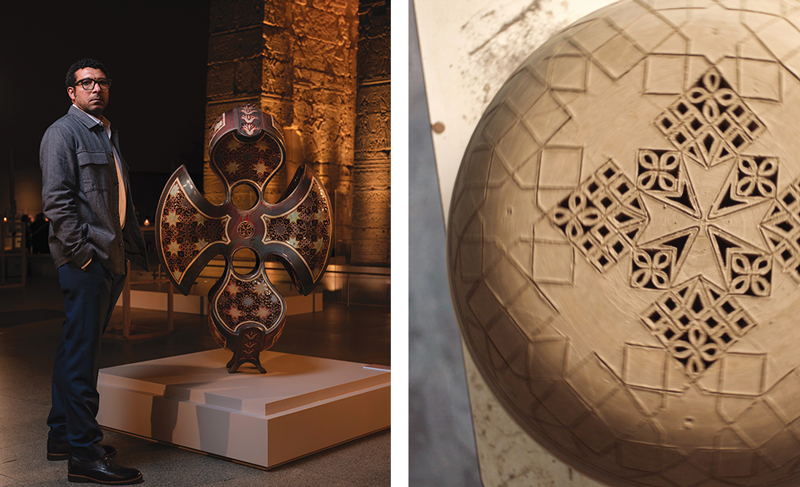
Egyptian-American ceramicist Ibrahim Said turned to clay, an ancient and versatile material that has long bridged the functional and the decorative. Drawing inspiration from ancient Egyptian and Islamic motifs, as well as religious artifacts in The Met’s collections, he created Shaping Time, a sculptural composition rising four and a half feet.
Three wheel-thrown semicircular forms are stacked one atop another, creating a vertical structure that recalls architectural elements. Its surfaces are enriched with relief carvings, pierced details, and multicoloured glazes, producing an interplay of volume, ornament, and colour. Among its visual references, the geometric language of the Islamic eight-pointed star meets the distinctive contours of Vacheron Constantin’s Maltese Cross. The pierced surfaces lend the substantial ceramic form a sense of visual lightness, allowing light and shadow to become part of the composition.
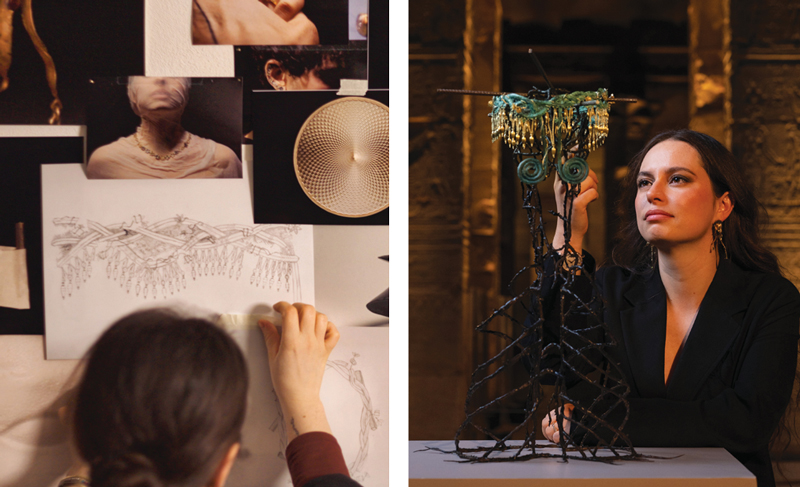
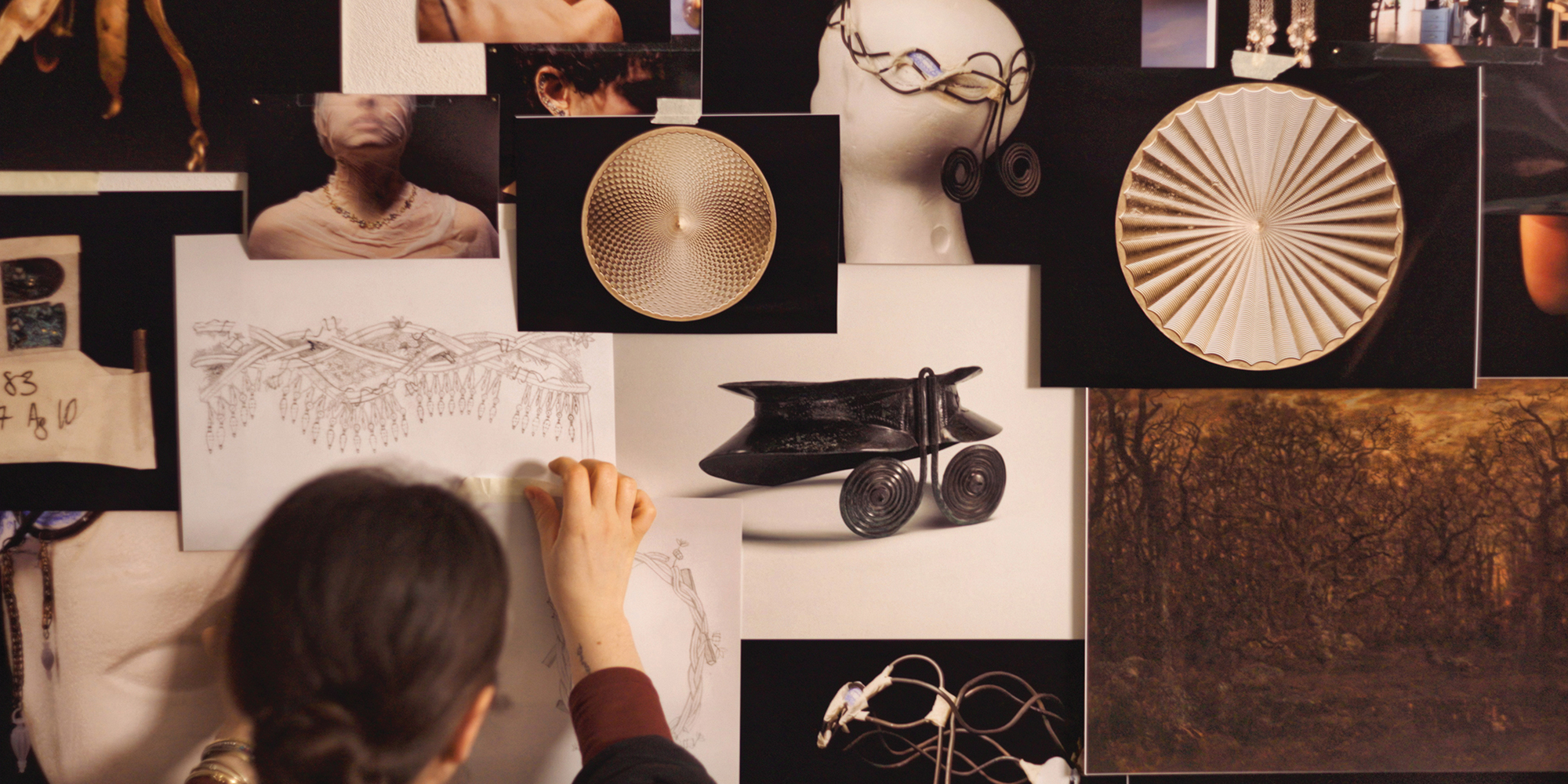
Goldsmith Joy Harvey’s piece carries an air of fable. Her contribution, Ruined Splendour – Bronze Diadem, evokes an archaic treasure recovered from an Aegean sea cave. Cast from antique alloys, the diadem marries traditional metalsmithing with digital 3D scanning, alongside guilloché, the intricate art Vacheron Constantin has honed for centuries to engrave sunbursts and moiré ripples onto miniature dials.
As the residency draws to a close in the fall of 2026, these works remain as testaments to patience and devotion. They remind us that preserving tradition requires neither velvet ropes nor digital fanfare to endure. It asks for something far simpler, and infinitely rarer: the unhurried grace to sit down, pick up the tool, and allow time itself to be carved into the surface of the work.