
In the world of ultra-prime interiors, de Gournay (known locally as Di Jia Li) has long been the high-water mark for those who find minimalism a bore. Their latest move? A flagship showroom housed within a storied historic apartment building in Shanghai, overlooking the verdant canopy of the former British Consulate General. It is a space that doesn’t just sell wallpaper; it curates an ongoing dialogue between 17th-century Chinoiserie and 21st-century swagger.
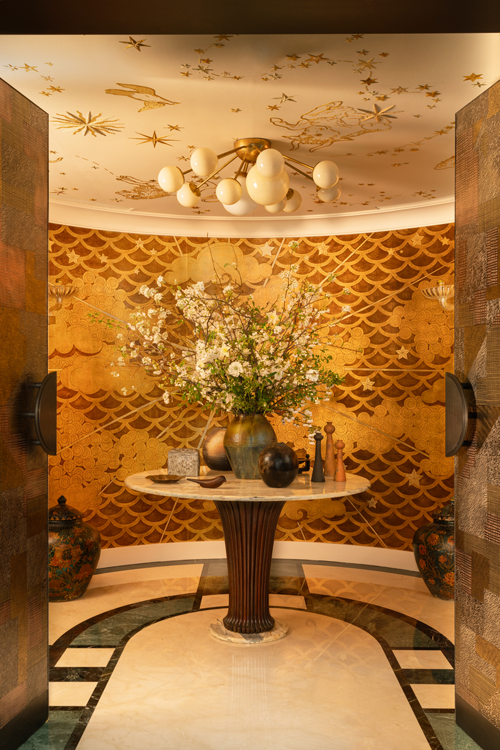
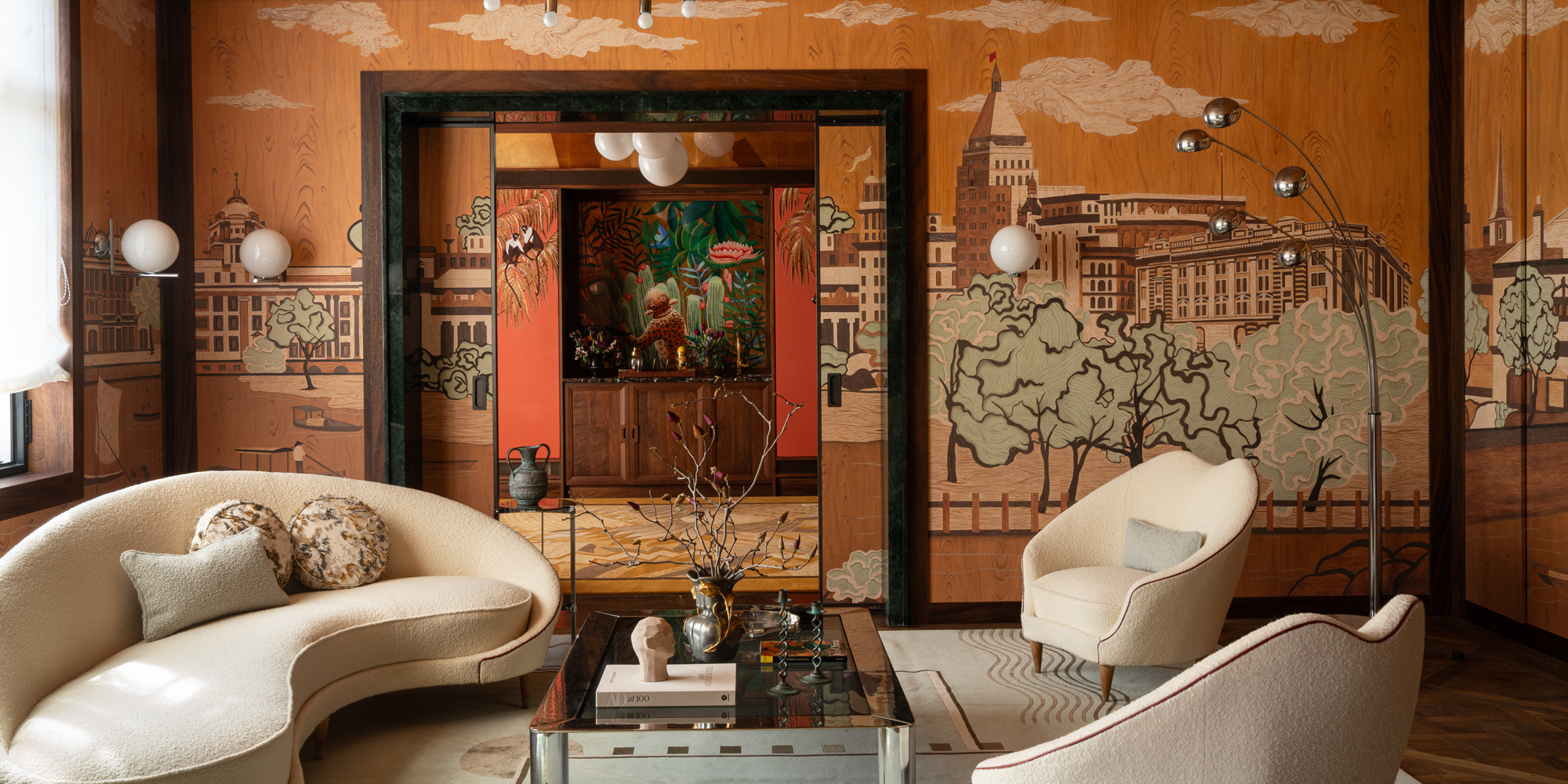
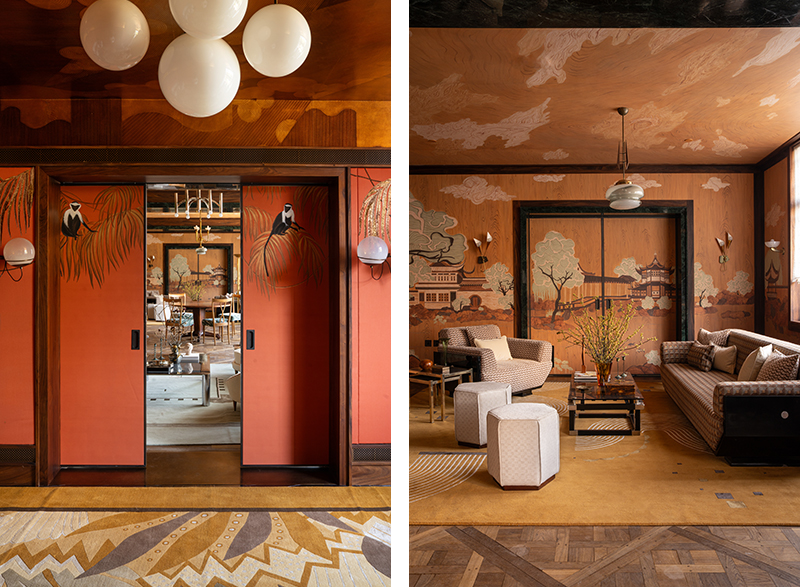
The standout debut is the Marquetrie Bund, a panoramic triumph that is a masterclass in trompe l’oeil. Hand-painted to mimic the smoky depths of ebony and the knotty character of burr maple, it pays homage to the Art Deco splendor of Eltham Palace while capturing the iconic Shanghai skyline. The design manages to frame the neoclassical European facades of the Bund alongside the elegant pavilions of Yu Garden, capturing the city’s dual identity in a single, sweeping view.
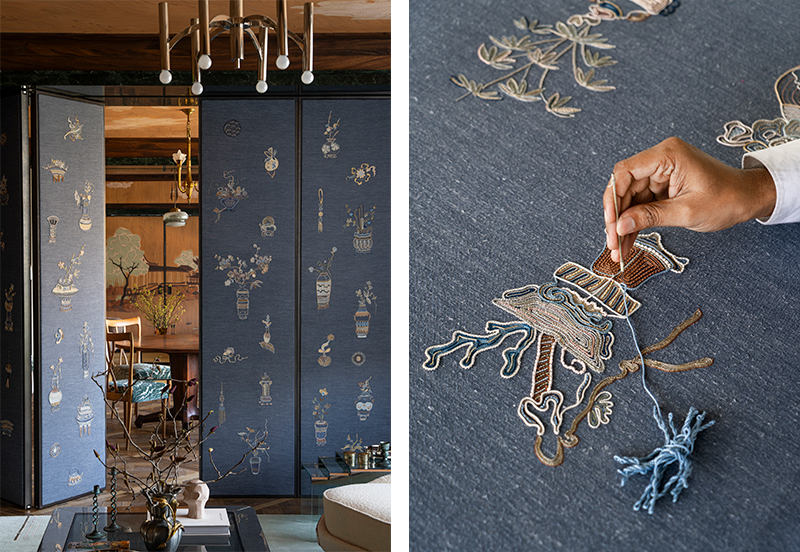
In a nod to its heritage, the house has unveiled a suite of new motifs designed to mine the rich seam of Chinese symbolism, proving that 3,000-year-old metaphors still hold significant currency in the modern salon. The Fu Lu Shou (translating to fortune, prosperity, and longevity in Chinese) reimagines traditional iconography as a contemporary totem. Here, flora and antique vessels are rendered with an almost obsessive attention to detail, utilizing a complex vocabulary of techniques that ranges from the structural depth of quilted cords to split chain stitching in silk and wool.
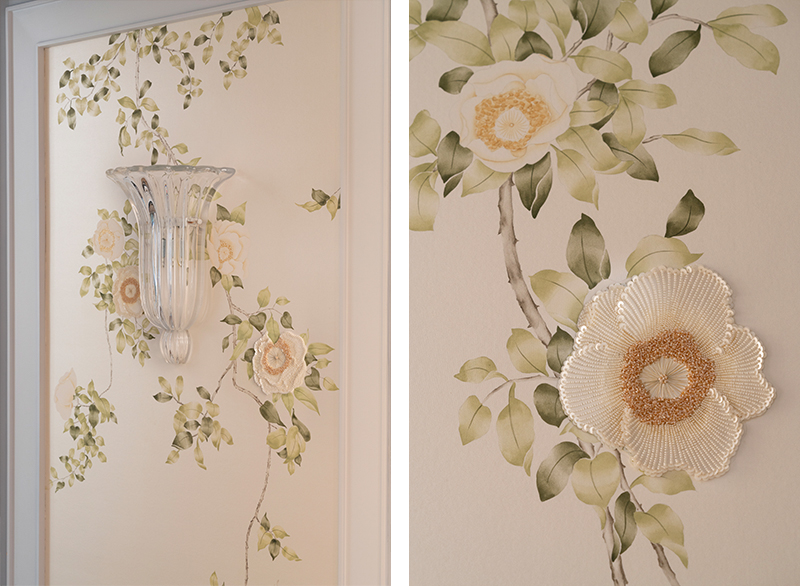
Nearby, the “Four Gentlemen”—the venerable quartet of plum blossom, orchid, bamboo, and chrysanthemum—receive a similarly high-octane treatment. Long regarded as steadfast pillars of Chinese artistic virtue, they are rendered here in metallic embroidery that lends a luminous, three-dimensional depth. Suspended against a sky of drifting clouds, the composition bridges ancient allegory with the contemporary avant-garde.
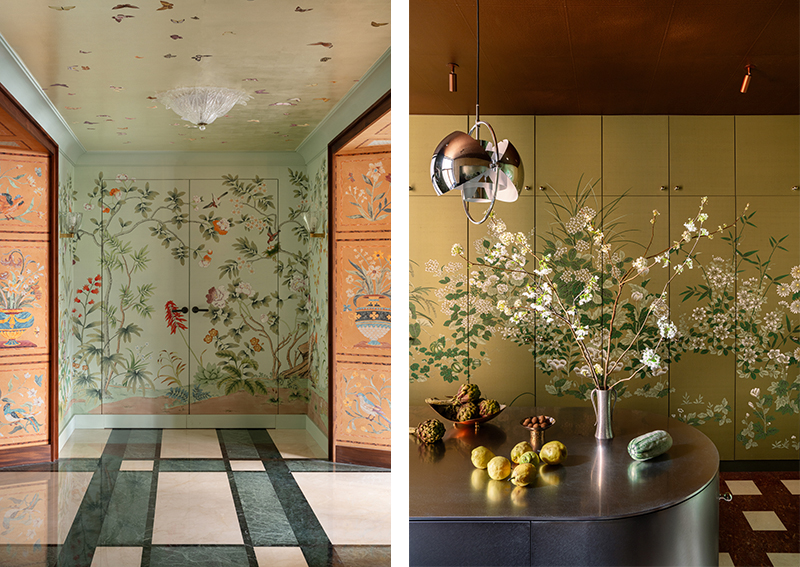
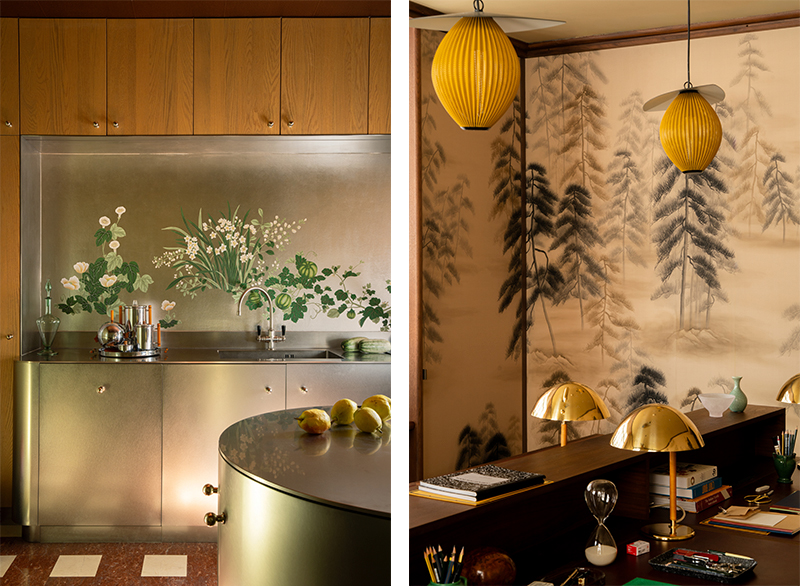
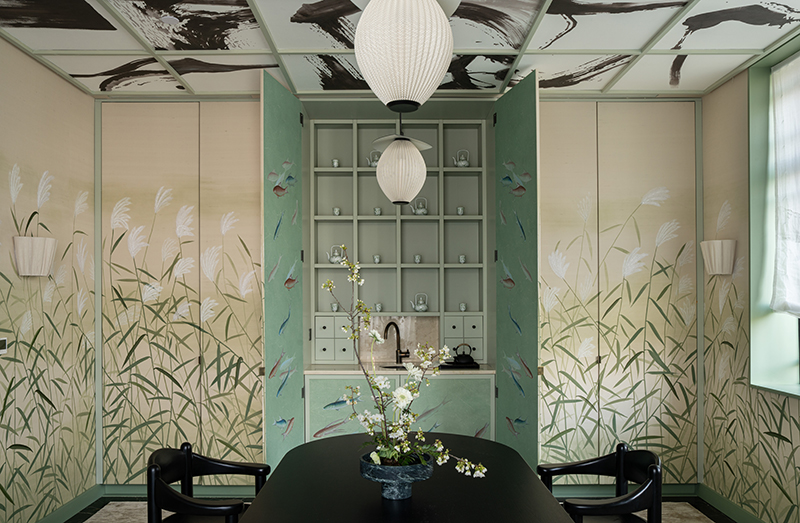
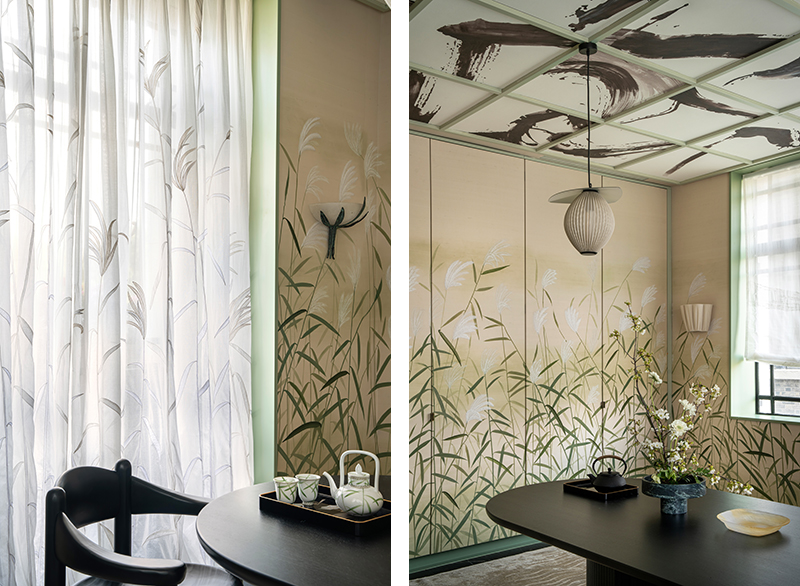
Perhaps the most serene corner of the showroom is the tea room, which features a Tai Chi composition. Inspired by classical calligraphy, the design utilizes semi-dry brushstrokes that seem to dance across the surface with an effortless, kinetic grace.
 Launched in the Year of the Horse, the showroom channels the animal’s symbolic energy and forward drive, where the distance between the Thames and the Huangpu is bridged with effortless creative grace.