

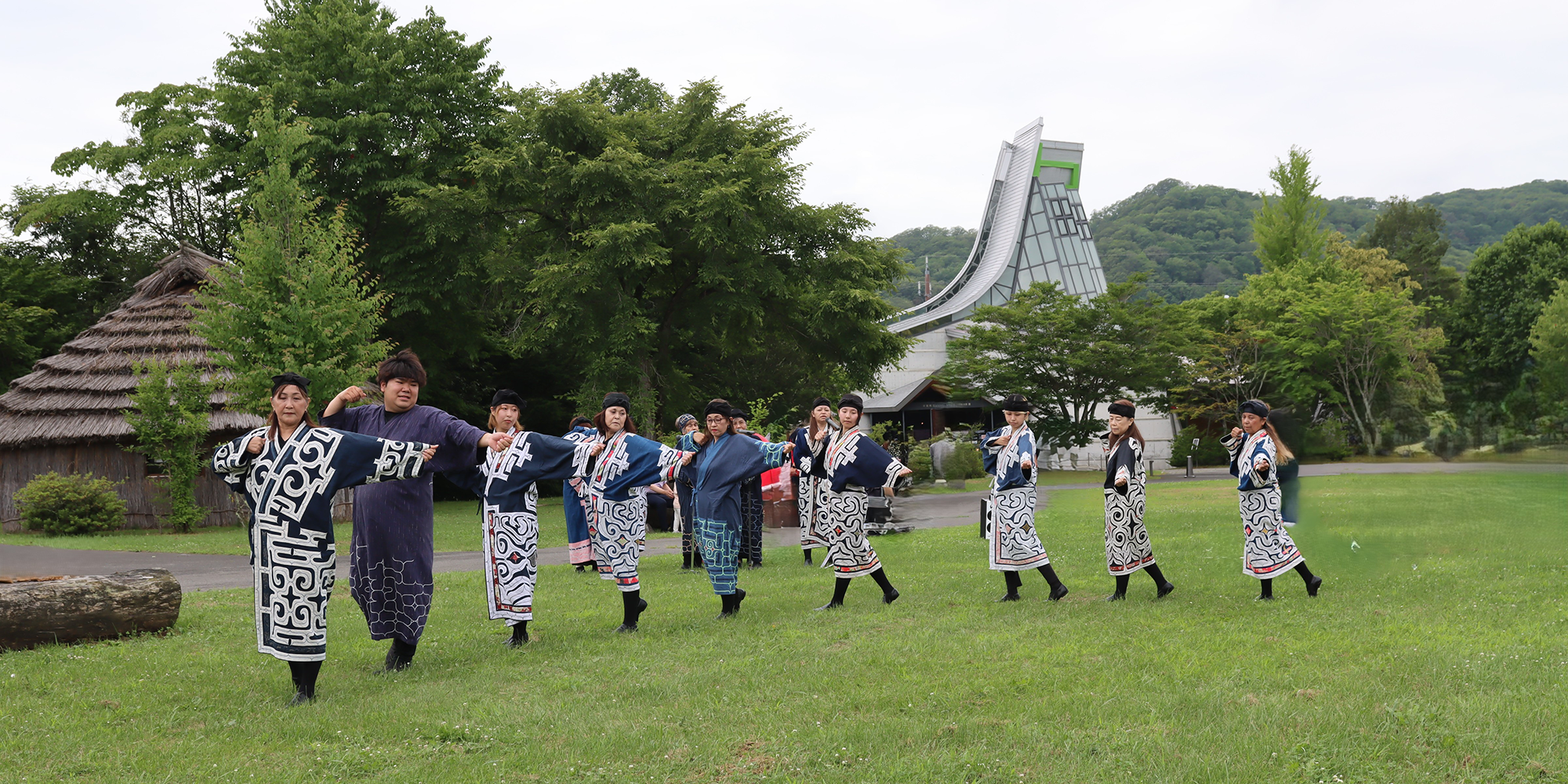
To translate Ainu is to arrive, simply, at “human.” Behind the monosyllable lies an entire universe, a rich, tactile world of textiles, oral mythologies, and ancient cosmologies that have outlasted generations of assimilation through the sheer, vibrant force of artistic inheritance.
For centuries the Ainu called the wild, windswept north their home, roaming the misty expanses of Hokkaido, Sakhalin, and the volcanic Kuril Islands. When nineteenth century modernization policies sought to homogenize the empire by pressing the Ainu to abandon their language, rituals, and way of life, the culture went underground not to die, but to deepen.
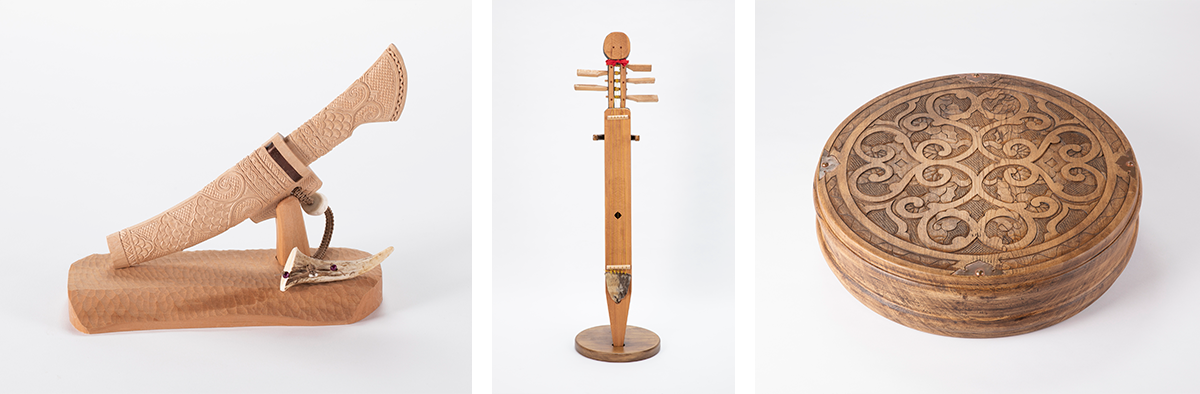
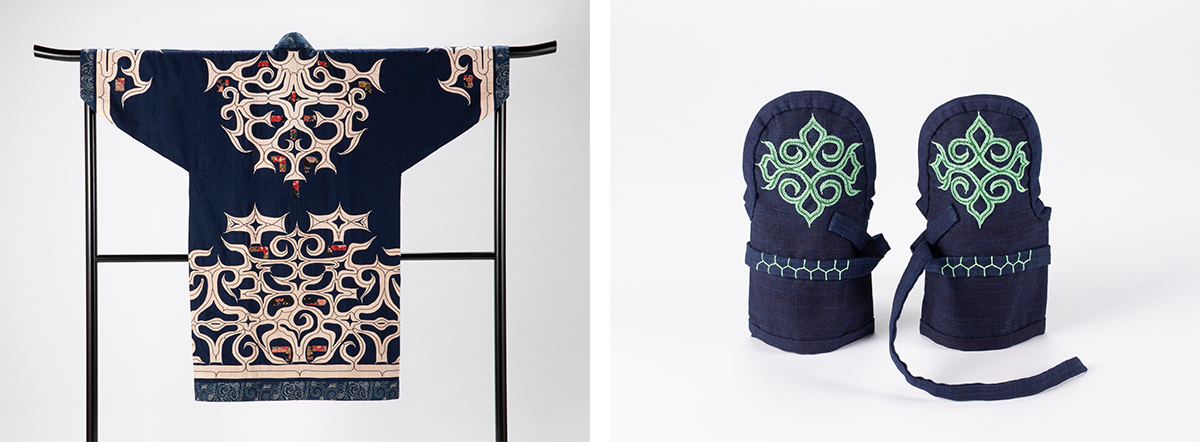
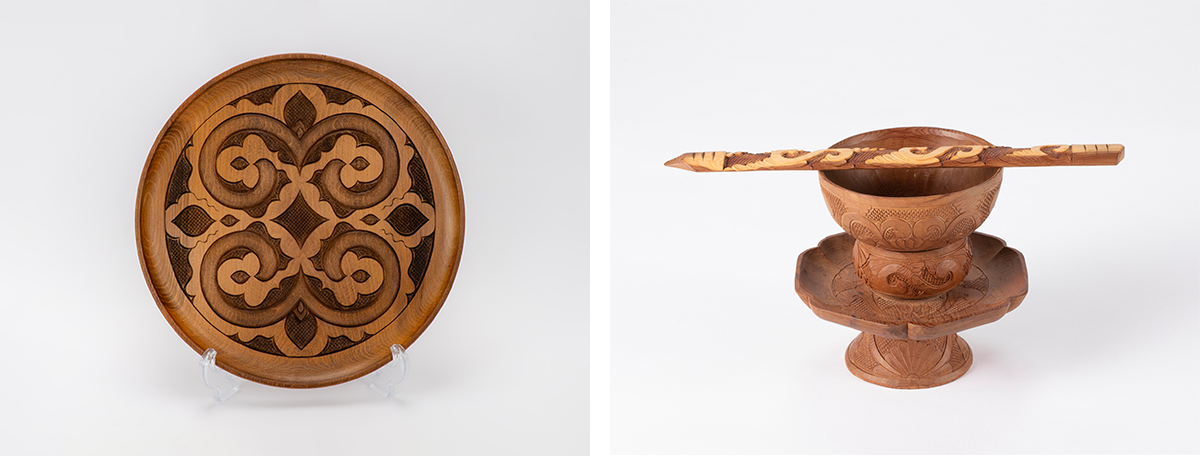
It survived in the rhythm of the yukar, the oral literature chanted around hearths, and in the eloquent vocabulary of the handmade: the mesmerizing geometric patterns of Ainu embroidery, the carved wooden ita trays, and the stiff, sculptural attus robes woven from the inner bark of native trees. These objects are a living archive of form, function, and philosophy—material expressions of a distinct worldview.
Design as Daily Life
Nowhere is this commitment to living heritage more palpable than in Biratori, a town in Hokkaido that has become the heartbeat of the modern Ainu renaissance.
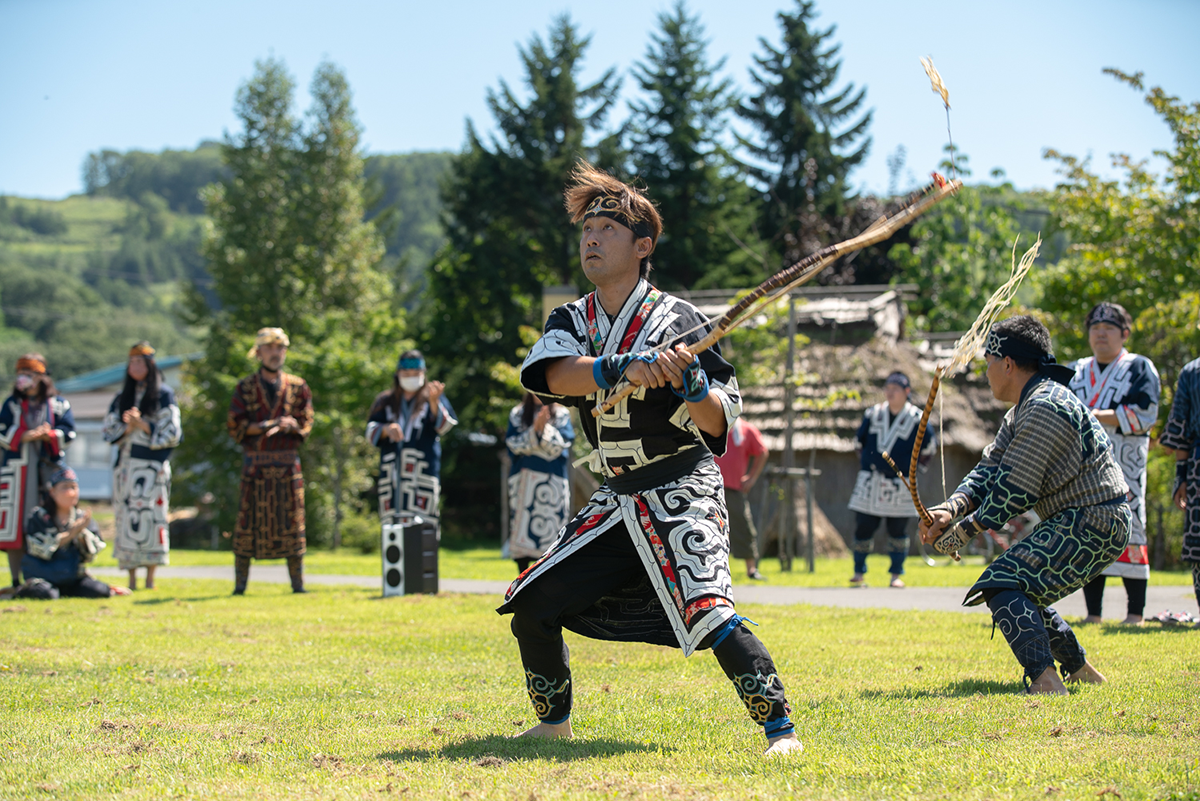
Keiichi Endo, the town’s mayor, speaks of these traditions not as museum antiques behind glass, but as blood and breath. “Losing one’s culture is tantamount to losing one’s ethnic identity,” Endo says. “Our town believed that as long as the Ainu people exist as a community, their culture must not be allowed to vanish.”
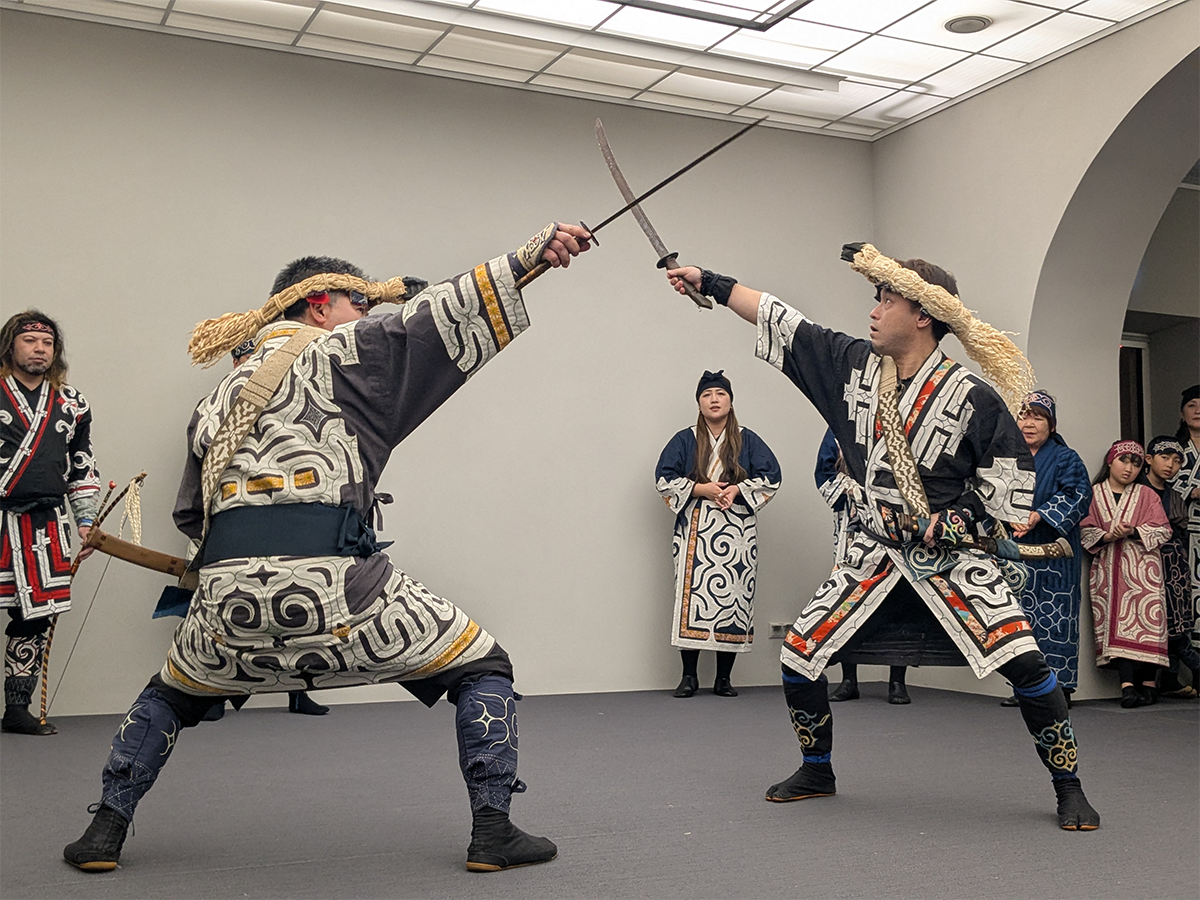
This philosophy, that a culture must be worn, spoken, and lived, refuses to stay bound by geography. This summer, the Japan Society in New York hosts Ainu Stories, Culture, and Traditions, offering immersive workshops in embroidery, language, and dance.
“What we most want people to understand is that the revival of Ainu culture is not merely a process of ‘re-displaying lost traditions,'” Endo notes. “Rather, it is an endeavor in which the Ainu themselves take the initiative to pass on their culture to the future… representing the revitalization of a diverse range of cultural elements, including arts, language, rituals, and traditional skills.”
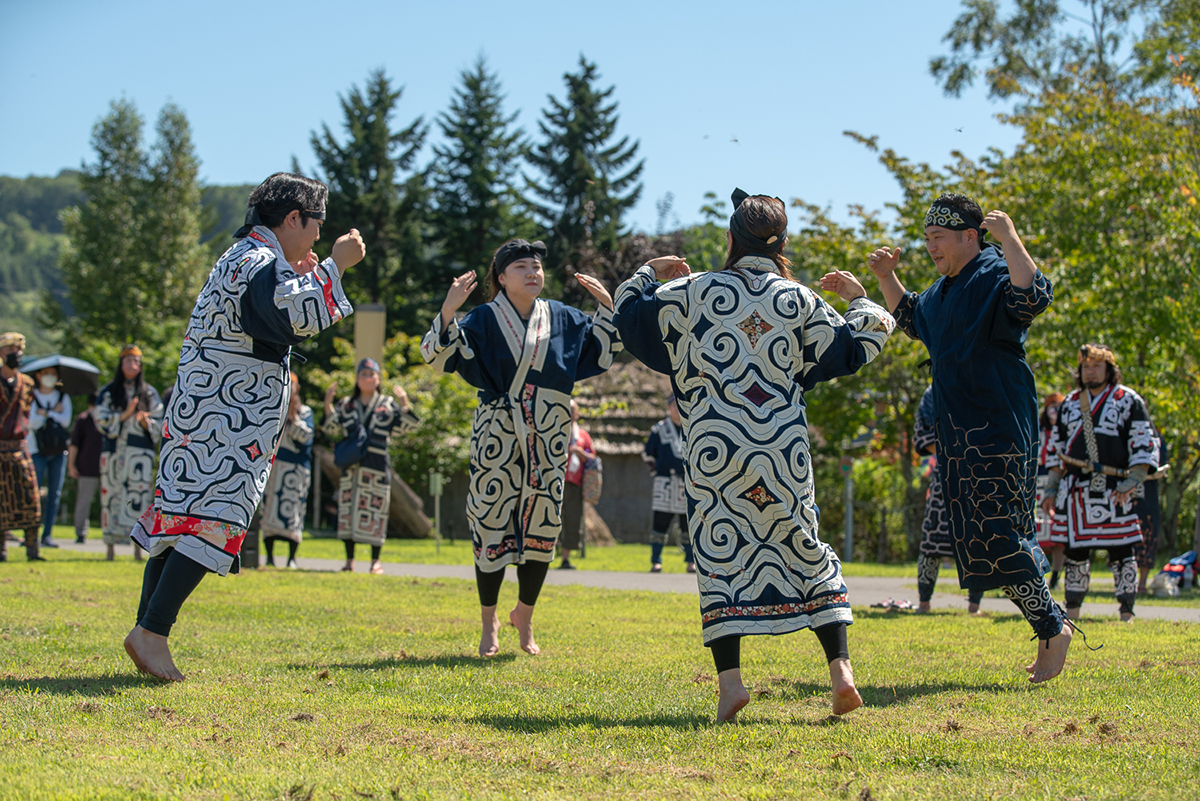
Capturing the Craft: Stories Beyond the Camera
Translating this intricate cultural tapestry onto the screen requires an uncommon tenderness, a quality embodied by filmmaker Naomi Mizoguchi. Working largely alone, she produced the 2019 documentary Ainu: Indigenous People of Japan.
Long before she ever lifted a lens, Mizoguchi spent years in Biratori, building friendships and earning the trust a community needs before sharing its intimate history.
“I knew what each person would say because I have listened to their stories without my camera,” she says.
She recalls one especially poignant moment. “The most unforgettable was when Kazunobu Kawanano talked about discrimination in front of teachers. I knew he would say that at some point, but I was waiting for the moment it came naturally,” she shares. “I was crying while I was filming.”
Keeping the story alive
The film navigates the complicated choice faced by generations of elders, some who shielded their children from prejudice by withholding the old ways, and others who kept the hearth burning, trusting the young to find their own way home to the craft.
“I think the efforts of the town of Biratori, as well as the people in the community as a whole, naturally made new generations think about learning and passing on Ainu culture,” Mizoguchi notes.
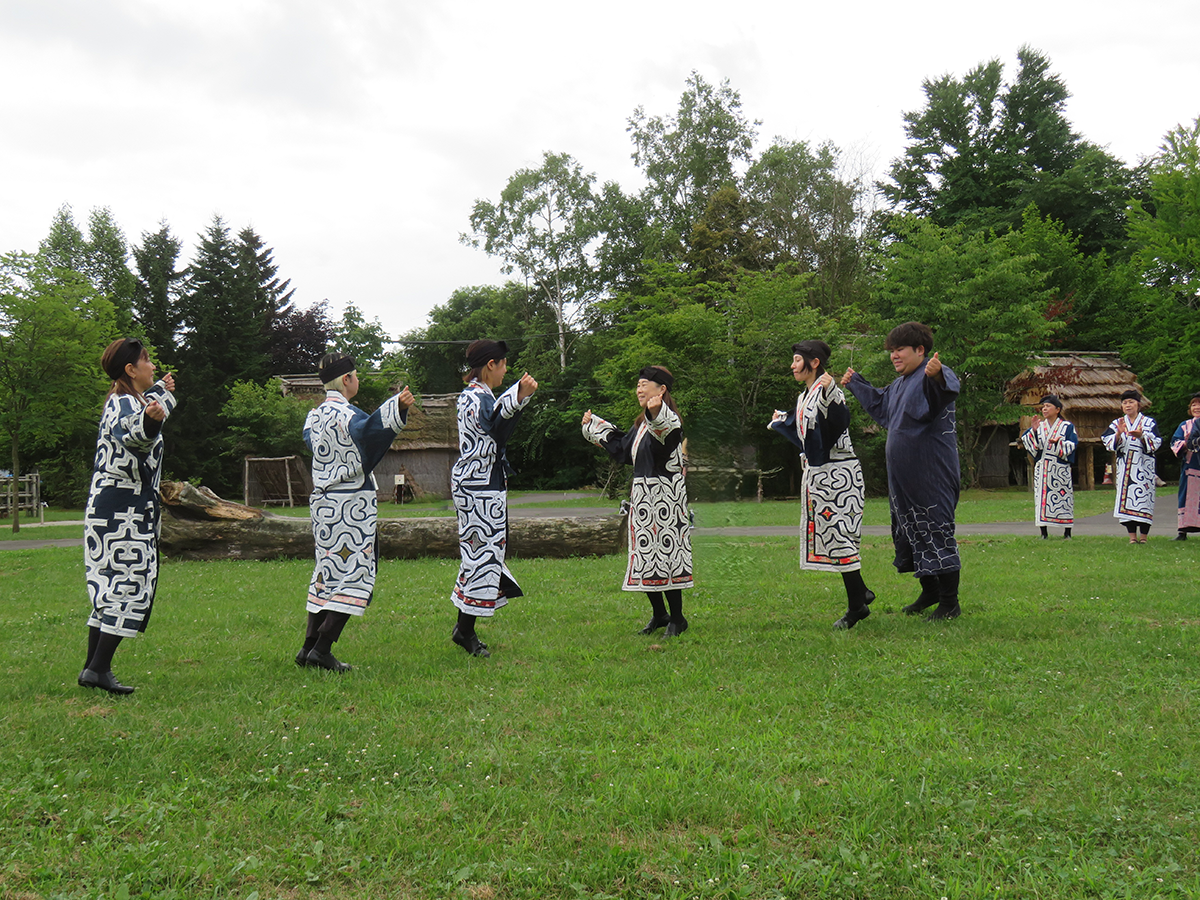
That sense of stewardship continues. Kawanano’s deep reverence for the late Ainu leader Shigeru Kayano, whose lifelong advocacy helped carve out space for dignity and recognition in Japan, underscores the strength of those who anchored these stories through the years. As Biratori marks what would have been Kayano’s centennial, his spirit lingers in the hands of the makers and storytellers who carry the lineage forward.
For Mayor Endo, the horizon of Ainu artistry is never about trapping tradition in amber. It is about granting the coming generation the freedom to interpret, evolve, and reimagine it.
Herein lies the true poetry of the word Ainu. Culture endures because of people: those who create, remember, and choose to weave it into their lives. The traditions are passed on and renewed with each new artist, storyteller, and maker who adds another layer to a community’s evolving story of resilience.






Nothing Mundane
Madeleine Wood’s paintings pay homage to extraordinary beauty in everyday life.

