

Travel is never merely about departure; it is a return with something more than what one left with. The true luxury of travel lies in the transformation it sparks: an exhilarating opportunity to see the world anew, both outwardly and within.
This season, Magnifissance curates three invigorating itineraries, each a remarkable encounter with place, culture, and inner sensibility. Traversing East to West, these elevating escapes invite exploration and enlightenment alongside moments of relaxation and renewal.
Step into the art-laden corridors and storied palazzos of Venice; be transformed by ancient Himalayan wisdom amid Bhutan’s verdant mountain ridges and sacred monasteries; and let the healing onsen waters of Japan gently wash away your disquiet within nature’s tranquil sanctuary. From exhilarating adventures to intimate cultural rituals, each stop reveals a new marvel waiting to be discovered.
A private Venice
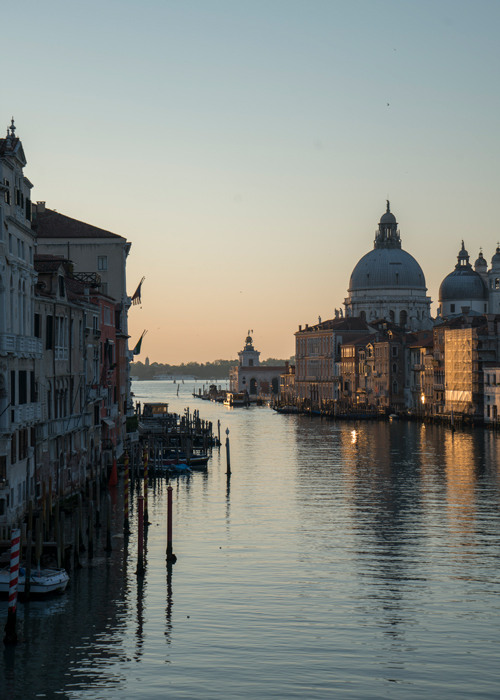
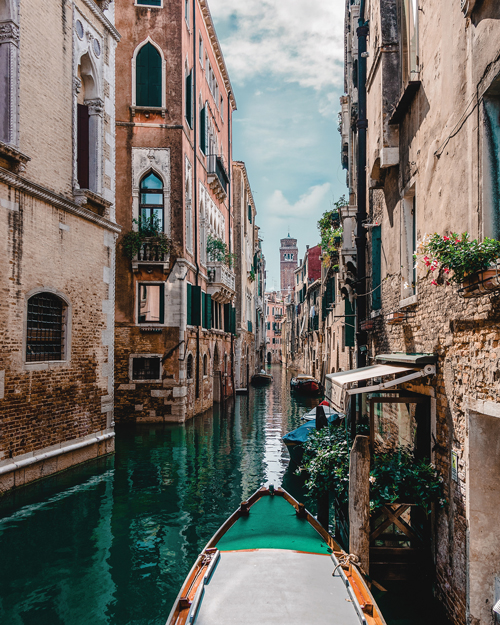
Venice is never still. Even in silence, it moves: tides rising and falling, reflections shimmering across stony façades, the soft babble of water beneath arching bridges. Time drifts as languidly here as the gondolas on the Grand Canal. There is a kind of temporal suspension that resists the modern pace. To be in Venice is to step into a palimpsest: layered, living, and always irresistibly compelling to read.
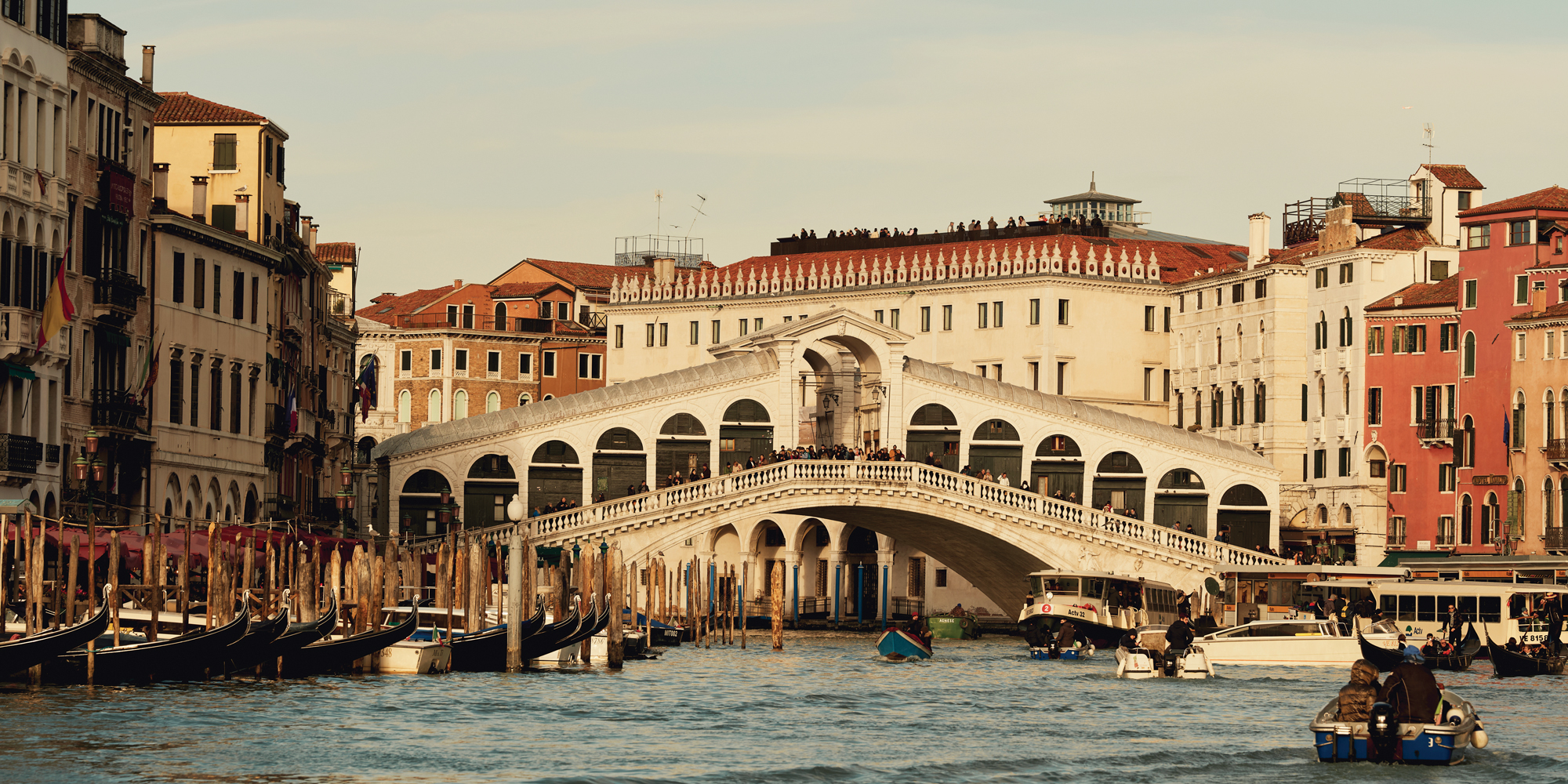
The Grand Canal, Venice’s aqueous spine, carries echoes of doges and diplomats, of silk traders and salt merchants. To float past the Rialto is to be reminded that this city, for all its delicacy, was once a maritime powerhouse, cosmopolitan long before the word found fashion.
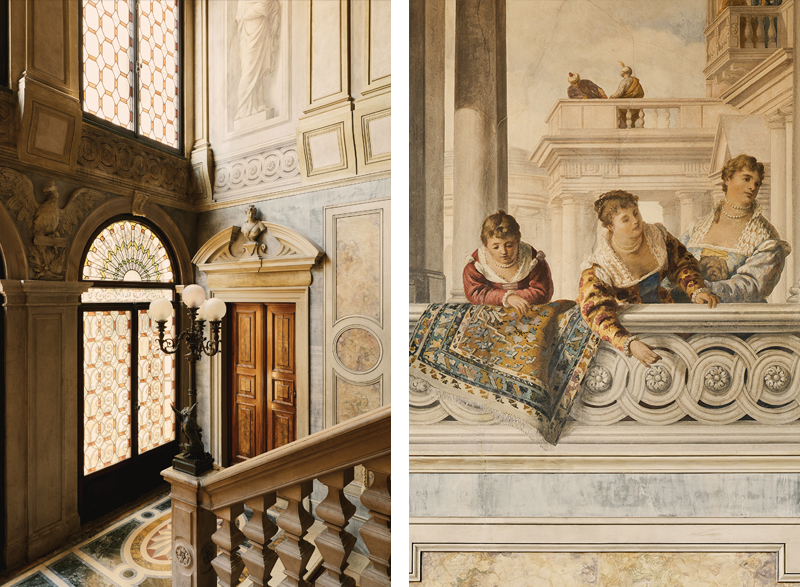
And somewhere behind a carved portal, the city draws inward. Tucked behind the 16th-century façade of Palazzo Papadopoli, Aman Venice feels less like a hotel and more like a private inheritance. The city’s chatter softens as one crosses the threshold: inside, a hush. Gardens, rare in this aquatic labyrinth, offer a verdant pause. Within, frescoed ceilings by Tiepolo and gilded mirrors reflect centuries of Venetian taste, where the flamboyance of the Rococo is tempered by Aman’s signature restraint. History here does not compete with comfort; it converses with it.
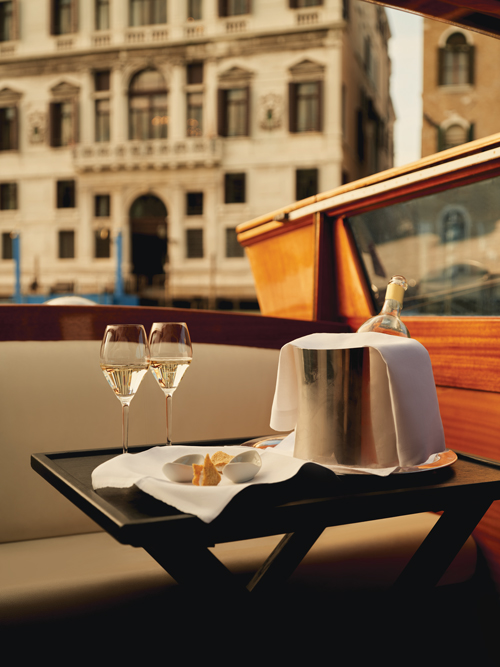
In the mornings, the light is gentle, grey-gold and diffused. An espresso taken by the water feels ceremonial. By evening, the library invites a different kind of travel: through wood-paneled walls and shelves lined with timeworn tomes, their leather-bound spines touched by the hands of travelers and thinkers alike.
It’s a place that doesn’t demand attention, but rewards it. And if you listen long enough, the city whispers questions: What endures? What disappears? What becomes beautiful, simply because it is present?
Above clouds
Up at 2,250 metres in the Himalayan heights, where the air is tinged with the resinous scent of pine and lush mountain ridges stretch toward the clouds, Paro Valley unfolds like a quiet epic. This is a landscape deeply inscribed with legendary history and spirituality. Colourful prayer flags flutter in the breeze, and a deep sense of peace permeates the surroundings. At every turn, new wonders await discovery.
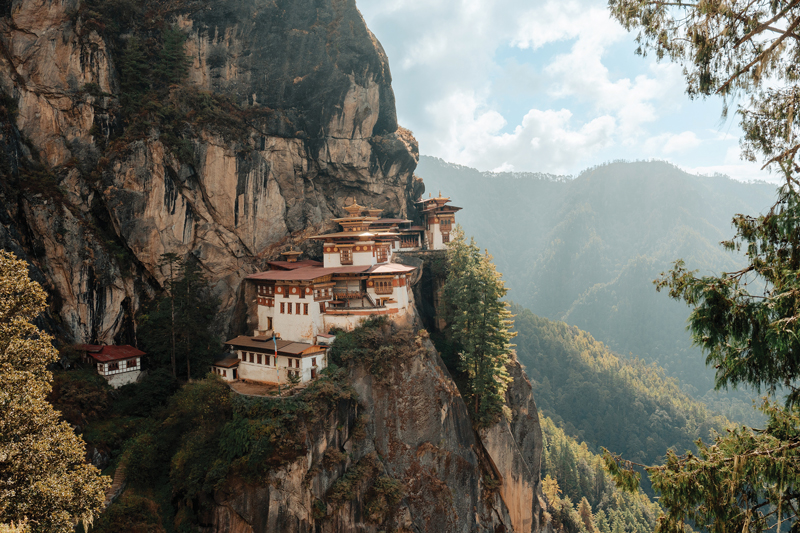
At the heart of Paro’s spiritual topography is the iconic Taktsang Monastery, colloquially known as Tiger’s Nest. This 17th-century sanctuary clings with impossible grace to a sheer cliffside, some 900 metres above the valley floor. Legend recounts that Guru Rinpoche, the revered tantric master, flew to this very spot astride a mythical tigress in the 8th century, an origin story as arresting as the monastery’s precarious perch itself. The four-hour ascent to this spiritual apex is no mere hike; it is a pilgrimage that tests both body and soul, culminating in a vantage point where the sacred and the sublime converge.
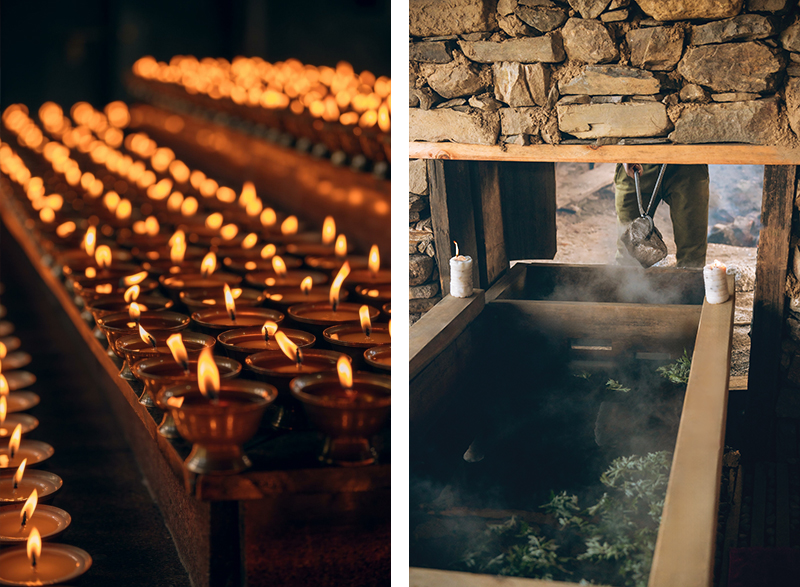
Further down the valley, at Kyichu Lhakhang, one of Bhutan’s oldest and most revered temples, the simple act of lighting 108 butter lamps becomes an intimate ritual. As the flames flicker, they illuminate centuries of devotion, inviting contemplation amid the gentle murmur of monks’ prayers. The valley itself invites exploration beyond the sacred. Hiking or cycling through these undulating trails reveals a landscape where natural romance lingers in every stone and tree.
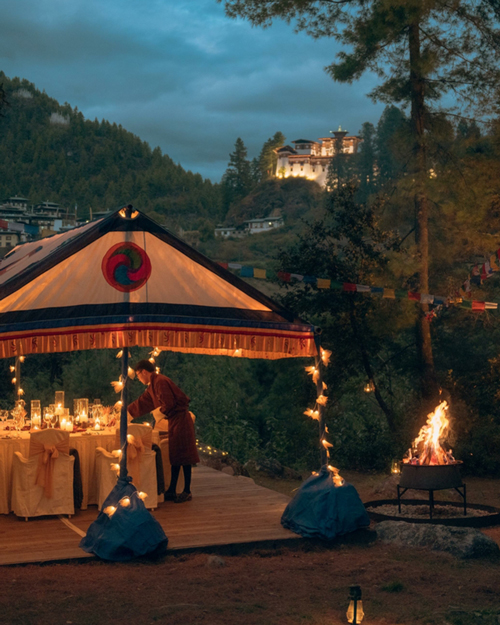
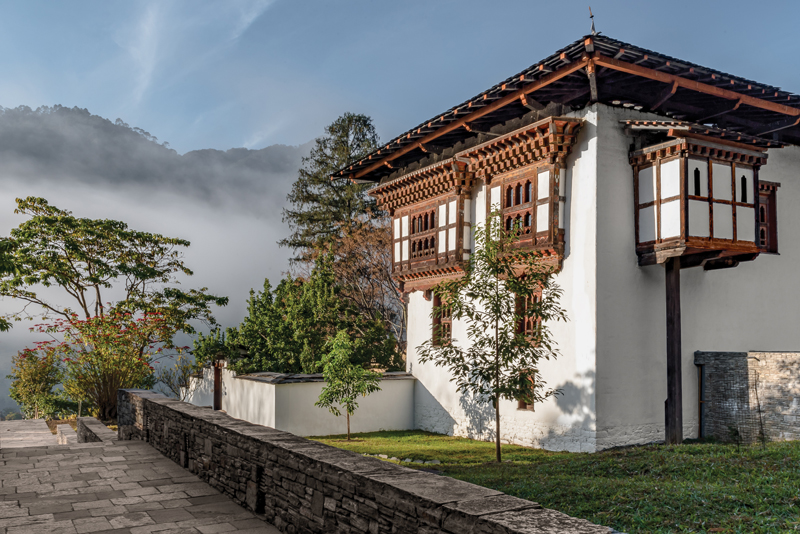
As dusk falls, Amankora Paro Lodge awaits as a refuge of serene indulgence. Nestled within dense Himalayan woods, this Aman retreat is a place of repose where mineral-rich hot stone baths soothe weary limbs, and thoughtfully crafted Himalayan cuisine nourishes the body beside an open fire under a canopy of stars.
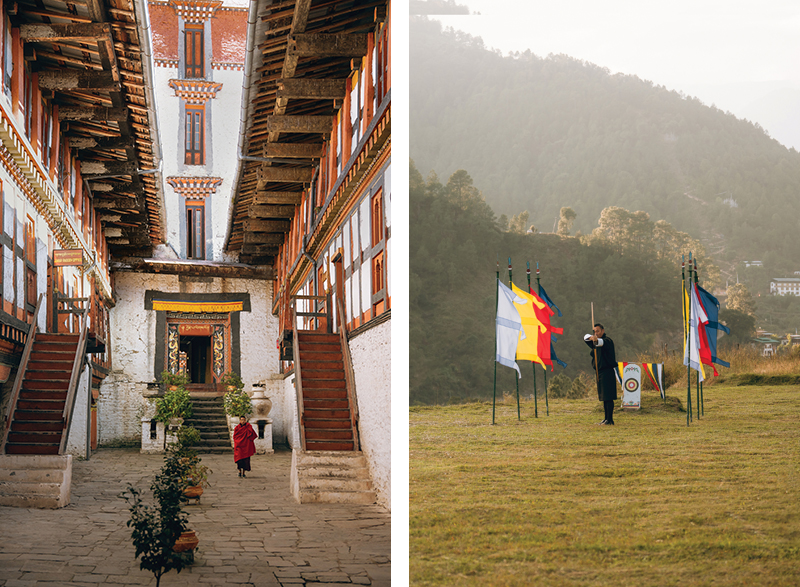
Daylight awakens the valley with vibrant energy, from the ritualized focus of archery competitions, Bhutan’s revered national sport, to the spirited bustle of farmers’ markets. In this rarefied landscape, the relentless pace of modern life yields to a deep sense of harmony, where nature, culture, and spirituality converge in a beautiful balance.
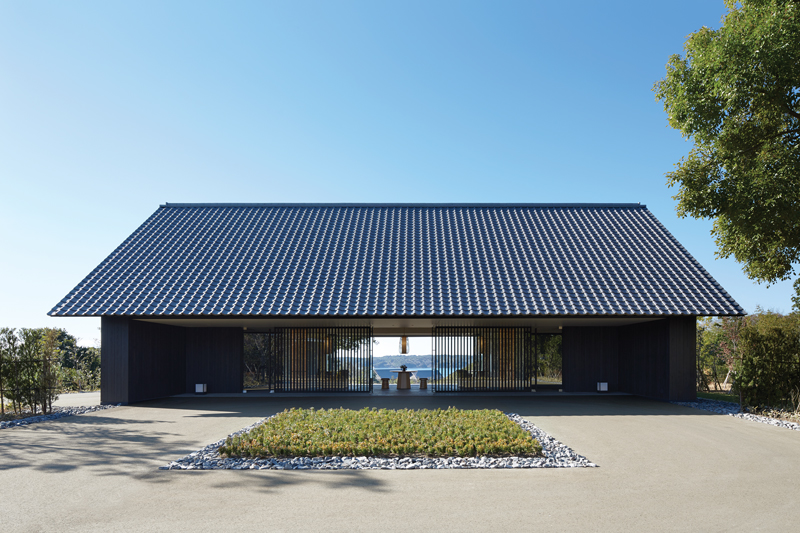
Bathing in history
Stretching along Japan’s southeast coast, Ise-Shima National Park is a haven of natural beauty and cultural reverence, a place where forested hills dissolve into pearl-studded waters, and centuries-old customs continue to guide daily life. Nestled within this pristine landscape, overlooking the placid expanse of Ago Bay, Amanemu offers a serene and sublimely discreet retreat. Drawing inspiration from ryokan traditions, this hot spring hideaway invites guests into a world where personal renewal is enriched by a deep connection to place and time-honoured rituals.
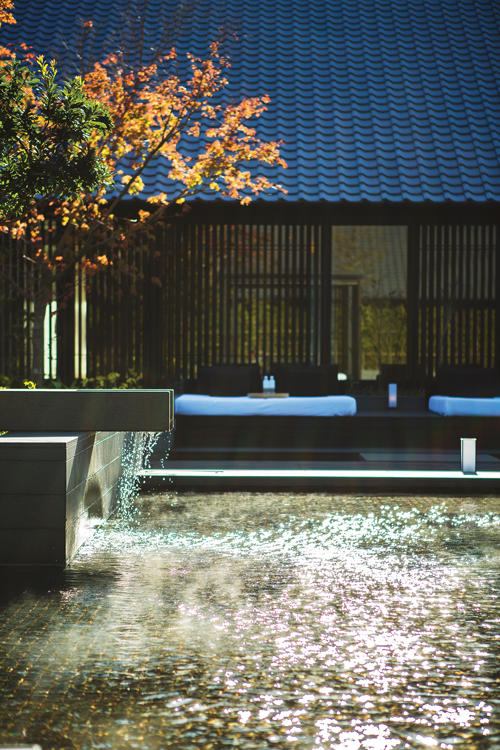
Each private villa here opens onto undisturbed views of wooded hills or calm sea, with mineral-rich onsen waters flowing into soaking tubs both indoors and out. Two communal bathhouses allow guests to partake in Japan’s venerated practice of shared bathing. The expansive Amanemu Spa, drawing on kampo herbal philosophies and ancient Japanese healing techniques, further extends the restorative experience.
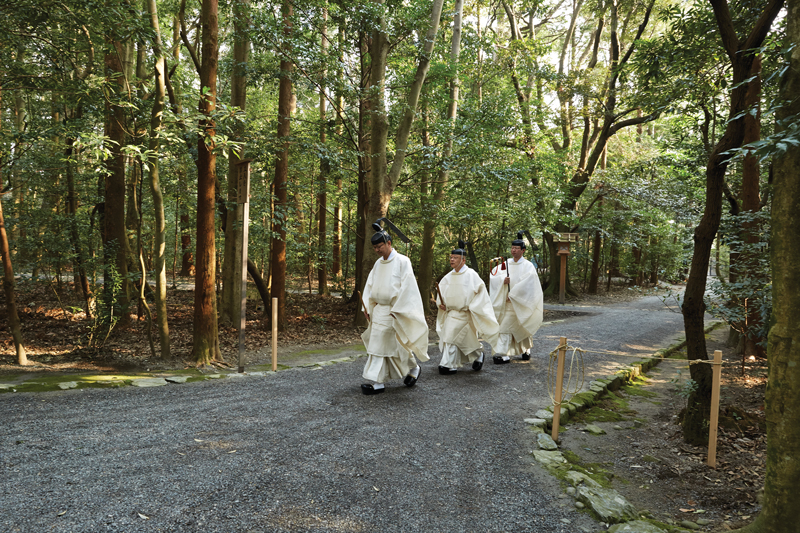
Yet beyond the retreat, Ise-Shima calls to be discovered. This is Japan’s spiritual epicentre, home to Ise Jingu, the country’s most sacred Shinto shrine. Set deep within a cypress forest, the shrine is rebuilt every twenty years, a gesture of renewal practiced for over a millennium. Walking its gravel paths, one breathes in something both refreshing and timeless.
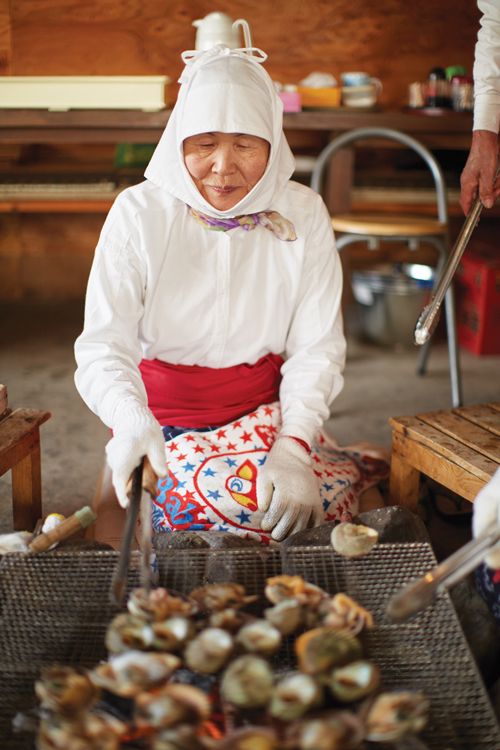
Food, too, takes on ritual significance. For 1,500 years, daily offerings have been prepared for the gods. Today, private journeys trace this sacred provenance, introducing guests to the artisans of the land: oyster farmers, rice cultivators, and seaweed harvesters whose work embodies generational legacies.
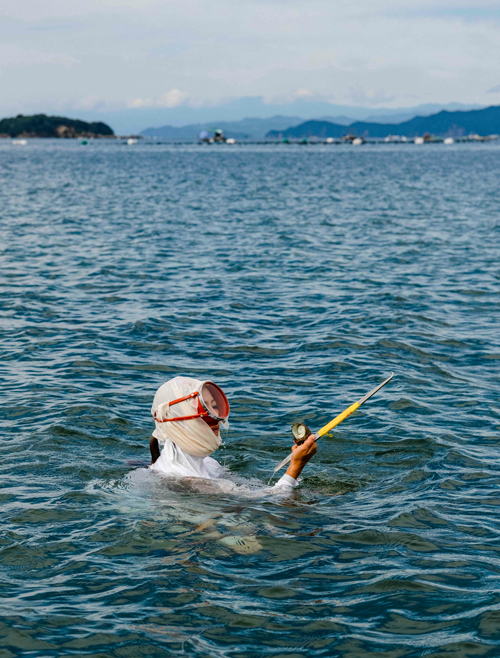
Equally captivating is the chance to engage with the enigmatic ama, Japan’s legendary female free-divers. Few practitioners remain, and fewer still welcome outsiders into their world. Join them on a dive into the nutrient-rich seabed before sharing a freshly caught seafood feast, grilled in a traditional amagoya hut, as stories are passed down with the same ease as the seasonal catch.
Those drawn to the Edo era may journey to Nikenchaya, a riverside hamlet that once served as a dock for merchant boats arriving along the Seta River. Nearby, the historic district of Kawasaki, affectionately known as the “Kitchen of Ise”, offers a glimpse into Japan’s mercantile past, a lively hub that once bustled with dockworkers.
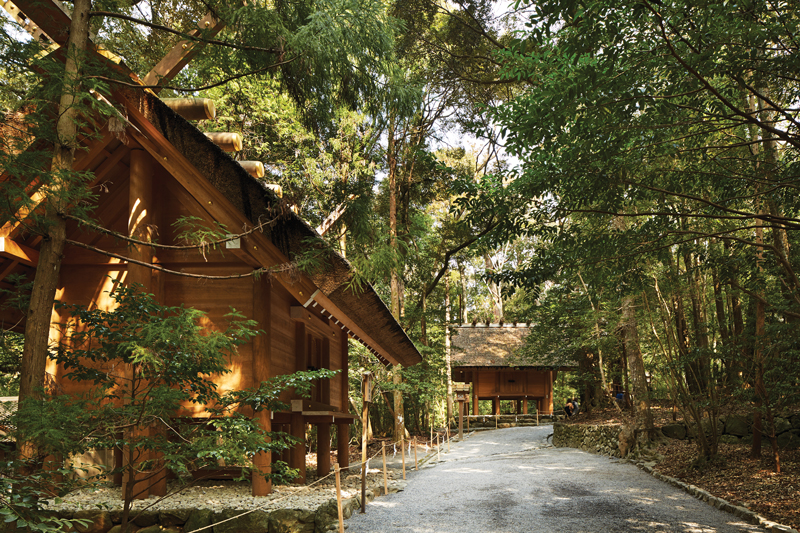
Adventurers, too, will find ample reason to explore. The ascent of Mt. Asama, rising to 555 metres, rewards climbers with a sweeping view across Ise Bay. Alternatively, a cycle through the undulating coastal roads reveals the region’s varied topography in a more kinetic, wind-in-your-hair fashion.
Ultimately, a stay in Ise-Shima is nourishing. Like the thermal waters that flow through Amanemu, this enclave leaves a lasting imprint: grounding the spirit, restoring the senses, and reorienting one’s sense of place in the world.









Must-See Haute Couture Collections at Palais Galliera Museum
Don’t miss collections that feature pieces from The Duchess of Windsor, Princess Grace of Monaco and Baroness Rothschild.

