
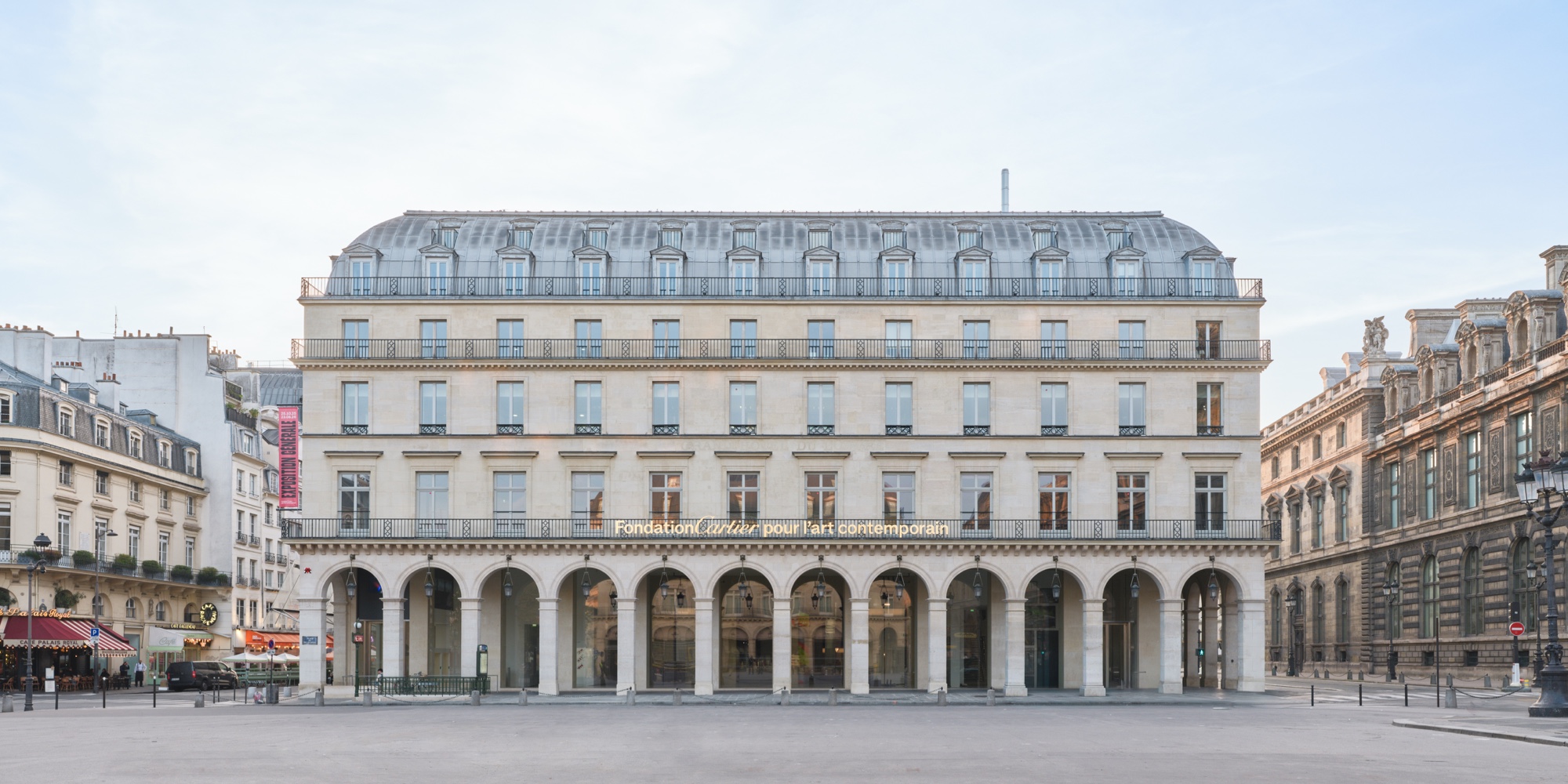
Behind the limestone dignity of a familiar Haussmannian façade at 2 Place du Palais-Royal, the Pritzker Prize–winning architect, Jean Nouvel, has transformed the Second Empire landmark into a kinetic sanctuary where the city of Paris becomes the ultimate exhibition backdrop.
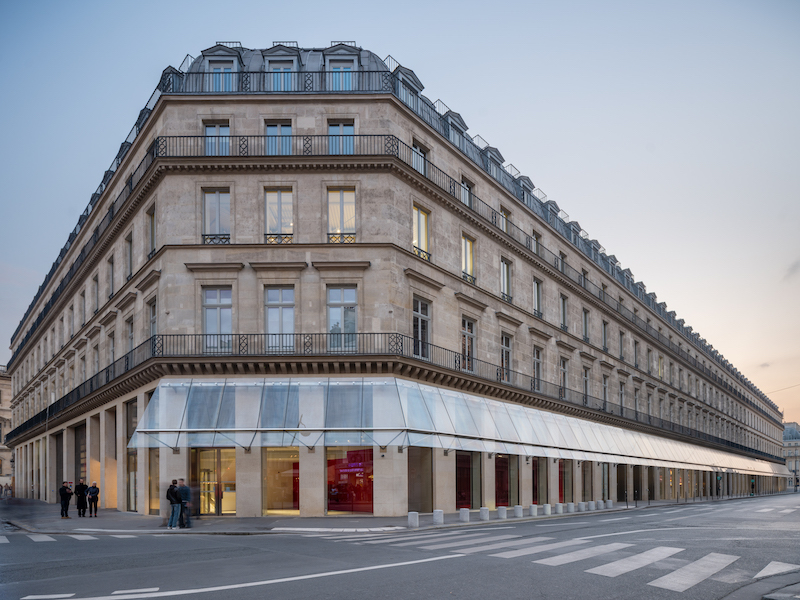
Originally designed by Charles Percier and Pierre Fontaine in 1855, the building is now the official home of the Fondation Cartier. The result is an architectural tour de force that bridges the 19th-century grandeur of the Grand Hôtel du Louvre with a future-forward structural manifesto.
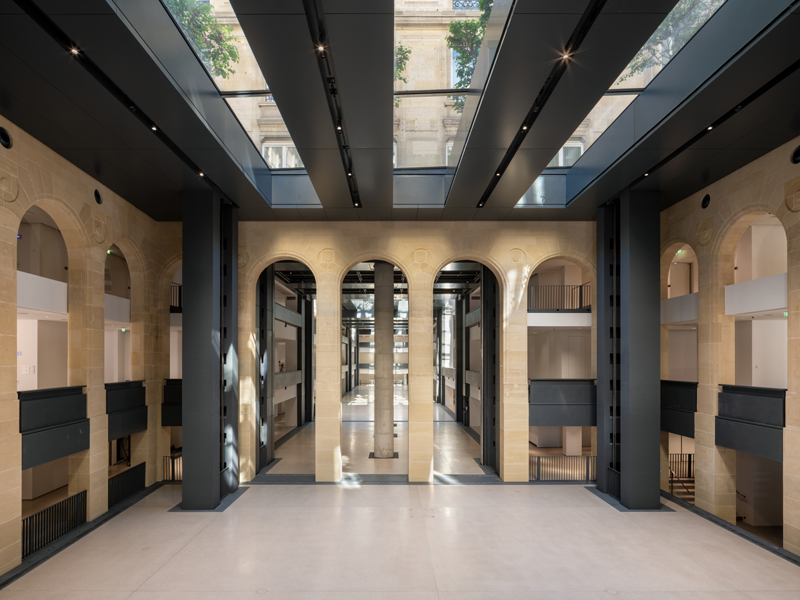
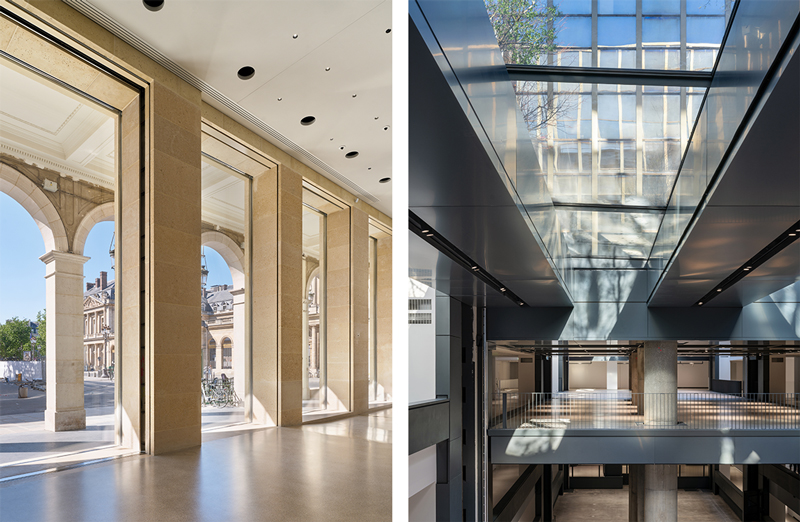
“The idea was to let space circulate,” says architect Jean Nouvel. “to allow the gaze to pass through.” What remains is what he calls a “machine of steel and light.”
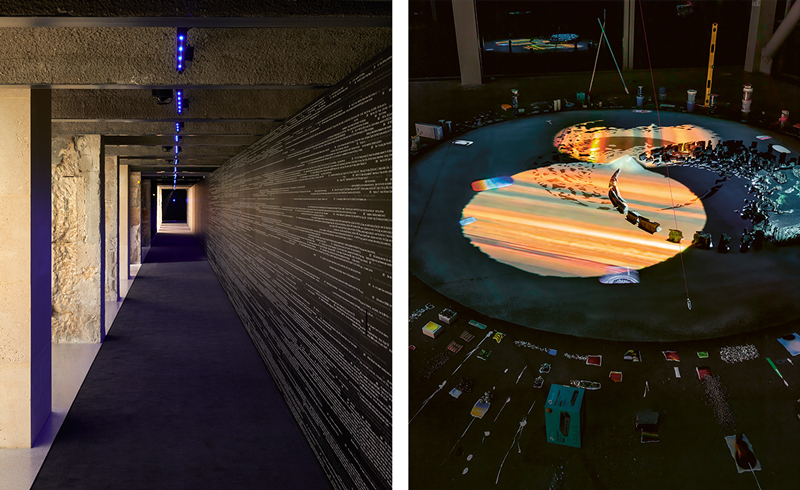
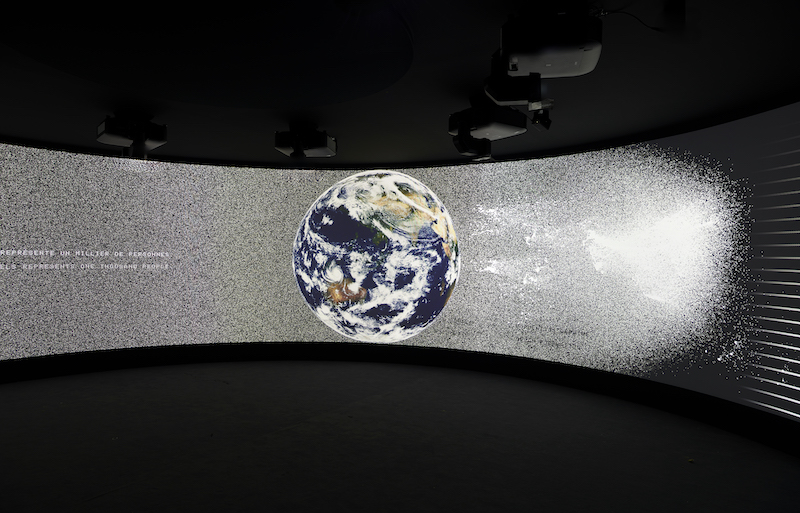
The heart of the project is defined by movement. Eschewing the static galleries of traditional museums, Nouvel installed five vast steel platforms that can move independently across eleven vertical positions. These “floating galleries” allow the space to breathe and shift, aligning to form expansive exhibition planes or splitting into staggered levels that offer unexpected sightlines between the art and the city beyond.
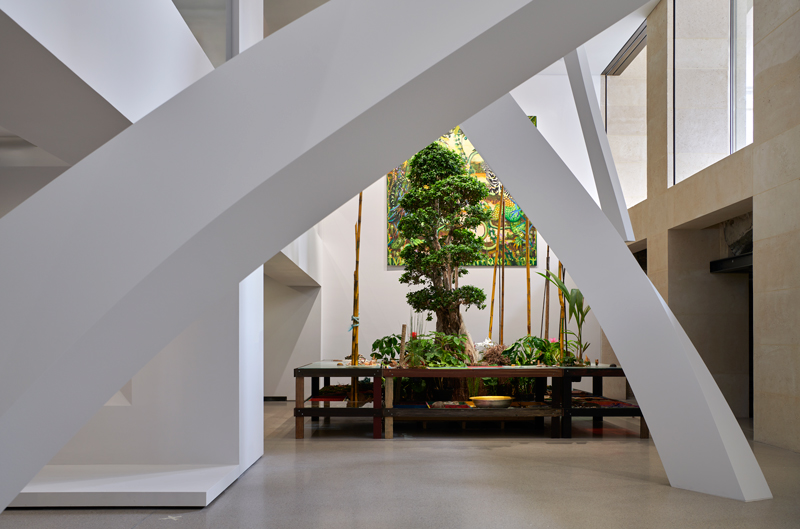
This adaptability is baked into the Fondation’s DNA. Founded in 1984 by Alain Dominique Perrin, the institution was always intended to be a “working platform” rather than a mere repository. By commissioning works rather than simply collecting them, the Fondation has spent forty years acting as a collaborator to artists like Jean-Michel Othoniel, Sarah Sze, and James Turrell.
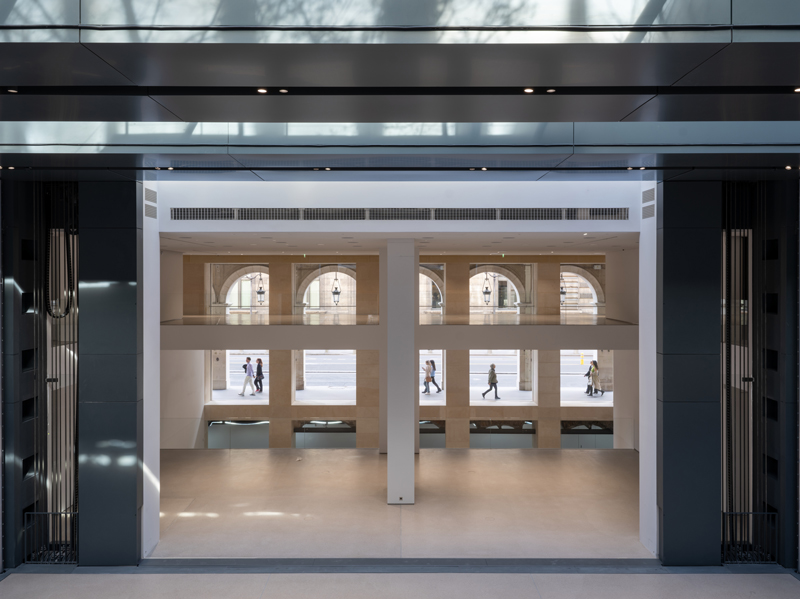
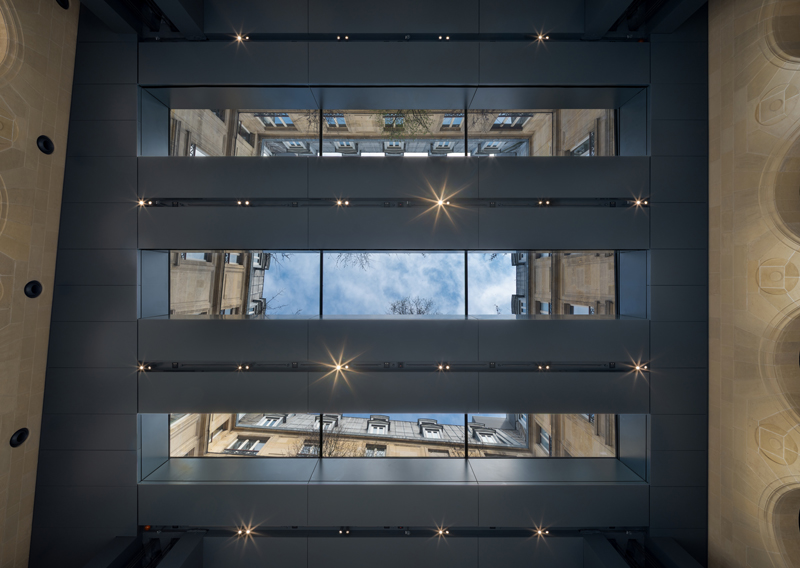
The building’s interaction with the street is a masterclass in urban integration. Managing Director Chris Dercon notes that the structure “opens itself to the city,” utilizing floor-to-ceiling windows and glass awnings that recall the building’s past life as a department store. Three glass ceilings with adjustable shutters draw the shifting Parisian sky into the galleries, modulating daylight to create a sense of atmospheric continuity.
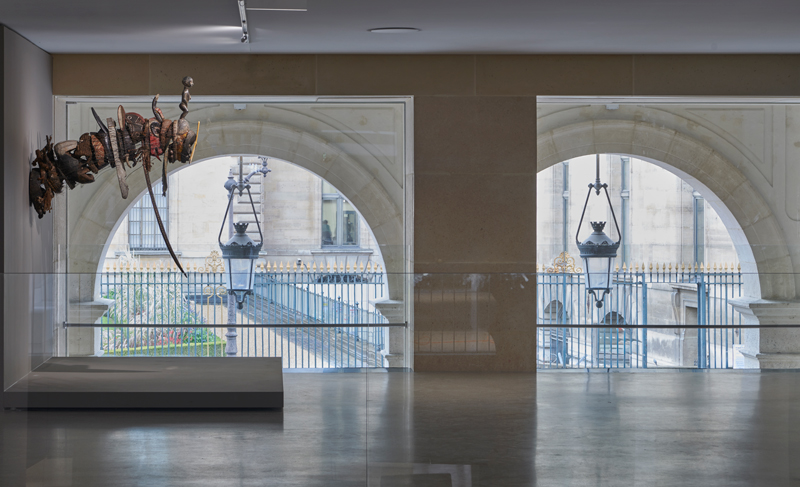
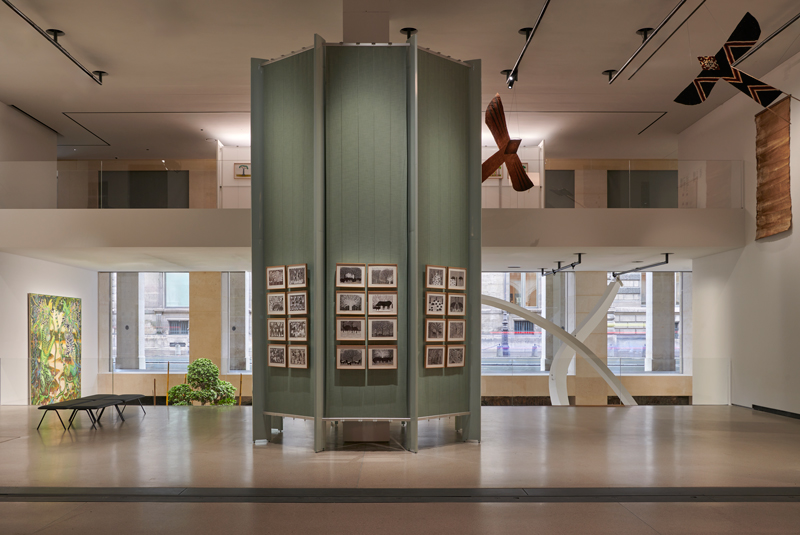
Inside, the inaugural exhibition, Exposition Générale, brings together 600 works in a layout designed by the acclaimed studio Formafantasma. Eschewing a traditional, didactic route, the design encourages visitors to construct their own paths through the collection.

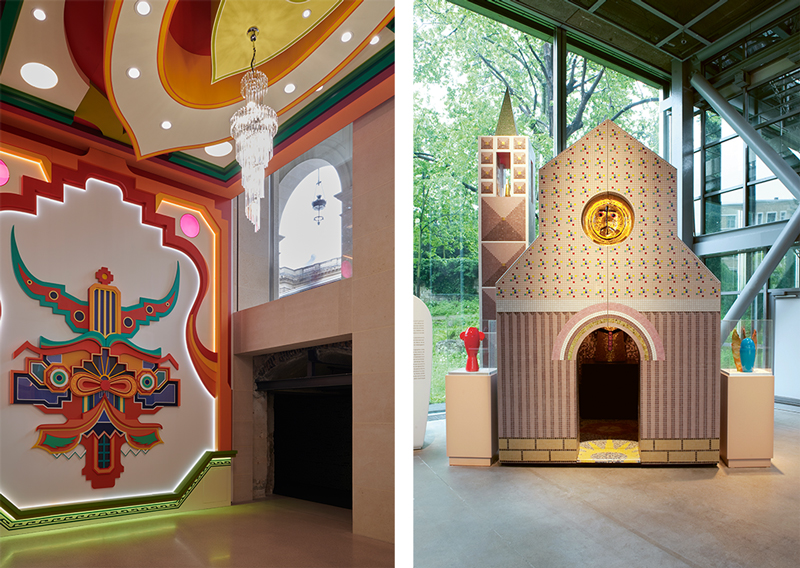
“The building doesn’t guide you, it allows you,” says Andrea Trimarchi of Formafantasma.
By preserving the classical Parisian façade and inserting a kinetic, mechanical heart, Nouvel and Cartier have realized a rare architectural feat: a site where art remains provisional, shifting, and, above all, alive.