

Every year, the Prix Versailles, an annual international award series that recognizes the world’s most outstanding achievements in architecture and design, releases its list of the World’s Most Beautiful Museums. The 2026 laureates have arrived, and they suggest that while the rest of us are doomscrolling in bed, architecture is busy attempting to transcend the terrestrial.
Jérôme Gouadain, the Secretary General of the Prix Versailles, described this year’s crop as possessing “extraordinary narrative power.” In less poetic terms, these are buildings that refuse to just sit there; they want to tell you a story, usually one involving a very high construction budget and an obsessive relationship with the sky.
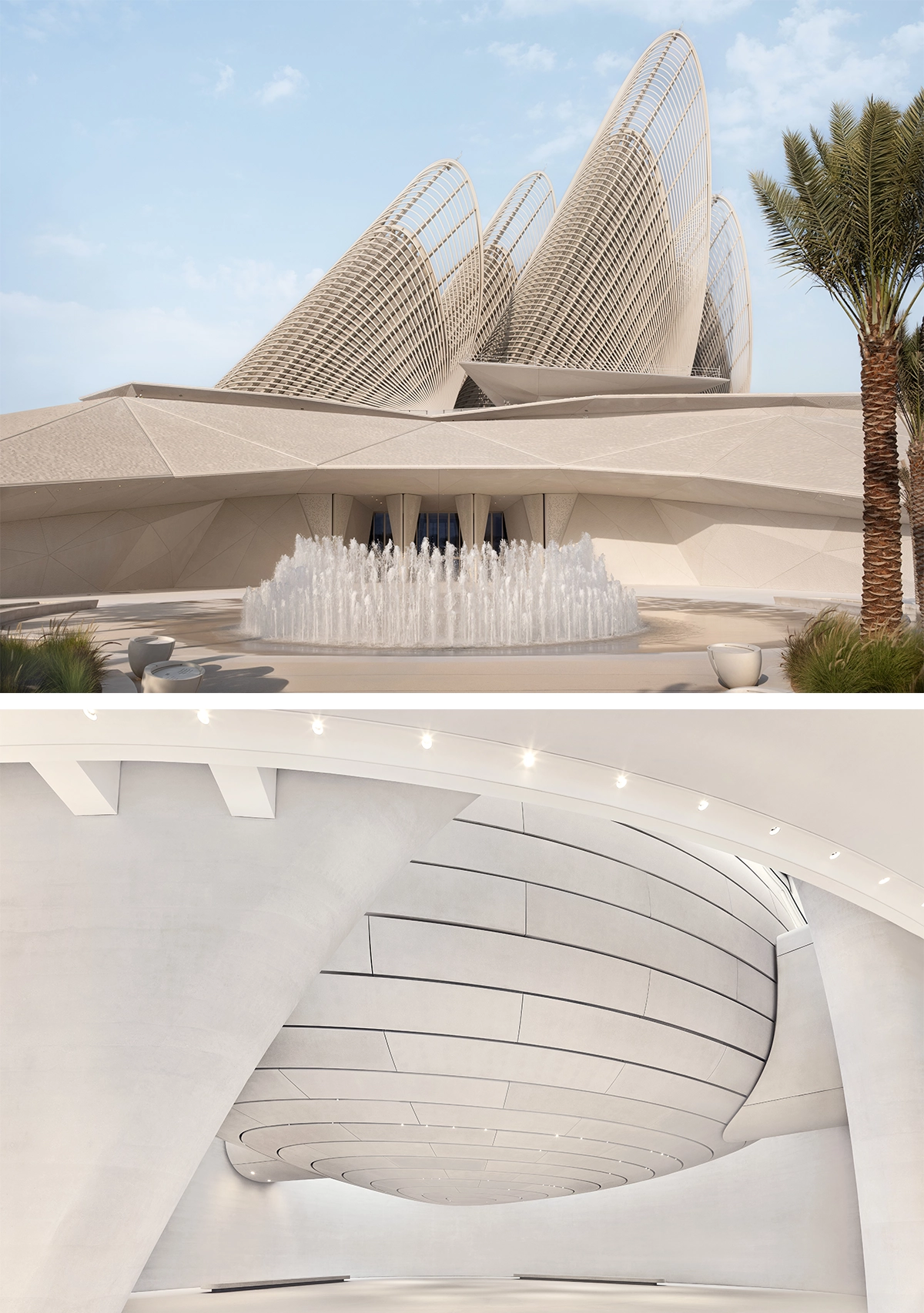
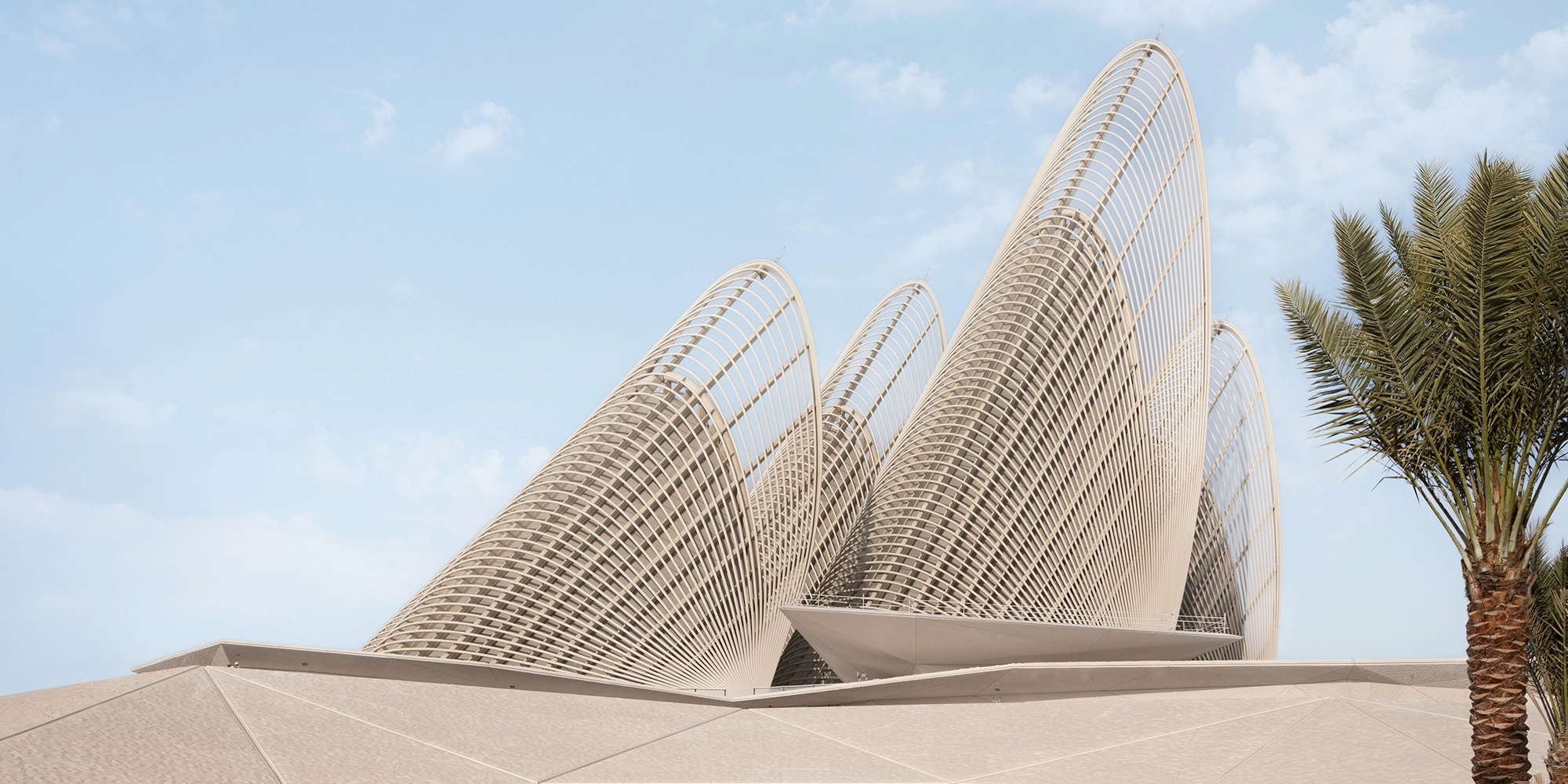
Topping the list is the Zayed National Museum in Abu Dhabi, a structure that feels like a grounded falcon preparing for flight. Five steel towers, each soaring to 123 metres, rise from the desert in tribute to Sheikh Zayed bin Sultan Al Nahyan. The architecture, by Foster + Partners, speaks in the warm vocabulary of sand and sky: tawny tones, filtered light, and natural ventilation that turns the brutal Gulf heat into something almost courtly.
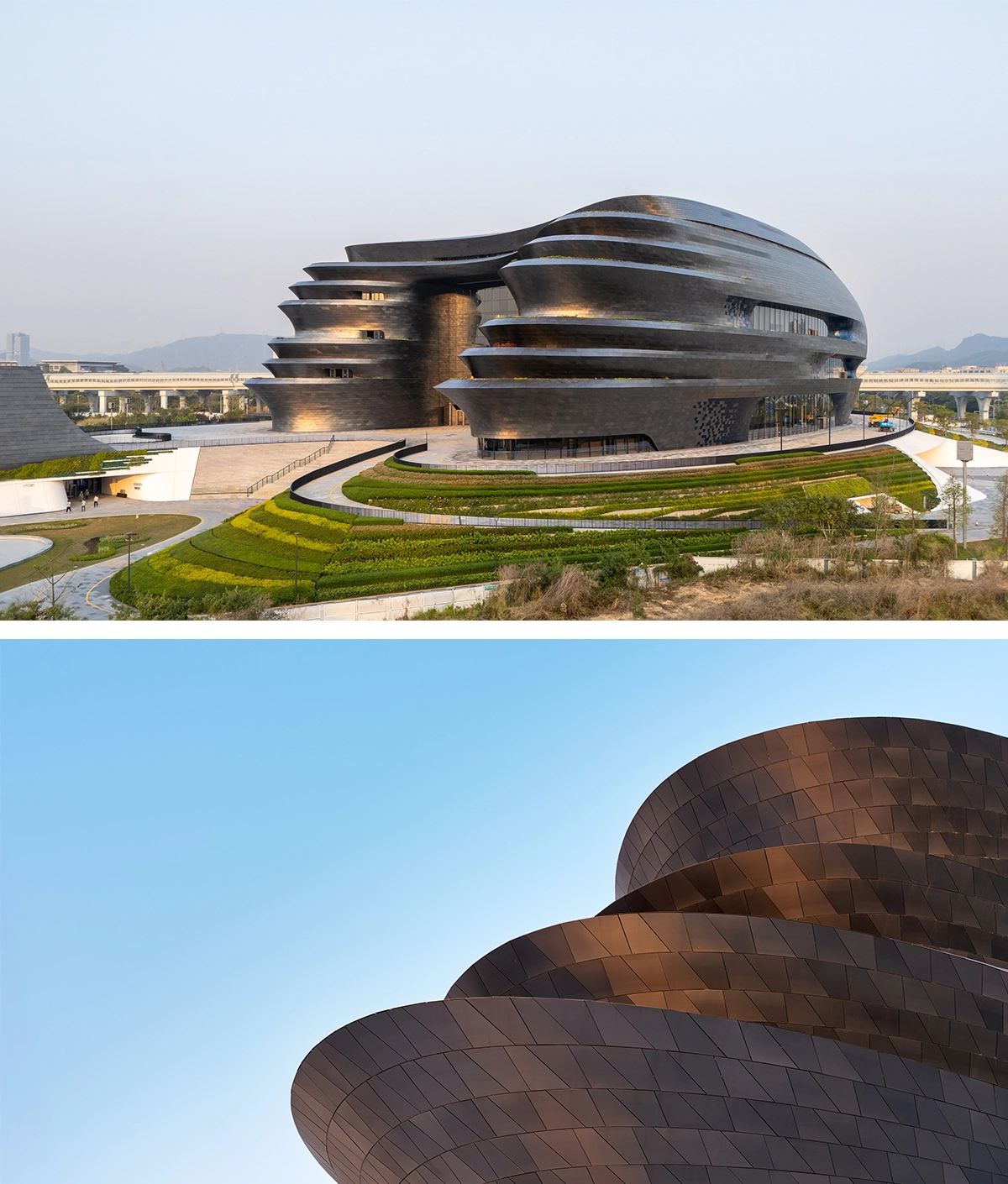
From the measured poetry of the desert we move to something more overtly futuristic. The Shenzhen Science & Technology Museum, designed by Zaha Hadid Architects, docks like a spacecraft that has decided to settle permanently in the Pearl River Delta. Its sweeping form is clad in 95,000 stainless-steel panels that shift from metallic blue to cool grey according to the angle of the sun. Every decision, from orientation to shading, responds to the local climate with the precision of a scientific instrument.
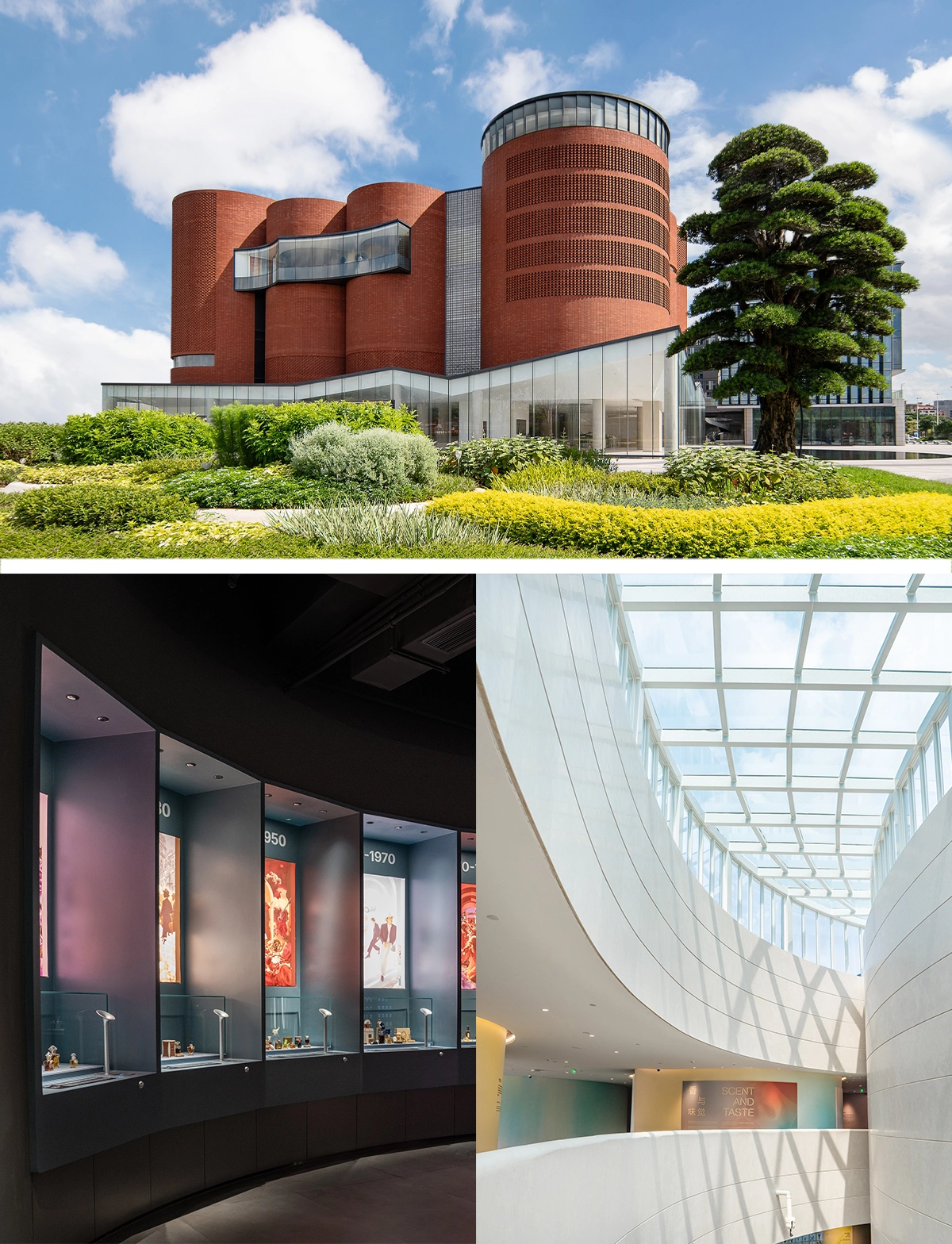
In Guangzhou, the Xuelei Fragrance Museum trades futurism for tactility and scent. Eight cylindrical red-brick volumes, evoking the alembics and stills of perfume-making, house an olfactory journey through fragrance’s cultural history. Here architecture becomes almost multisensory: visitors move through space guided as much by smell as by sight, from ancient resins to tomorrow’s molecular concoctions.
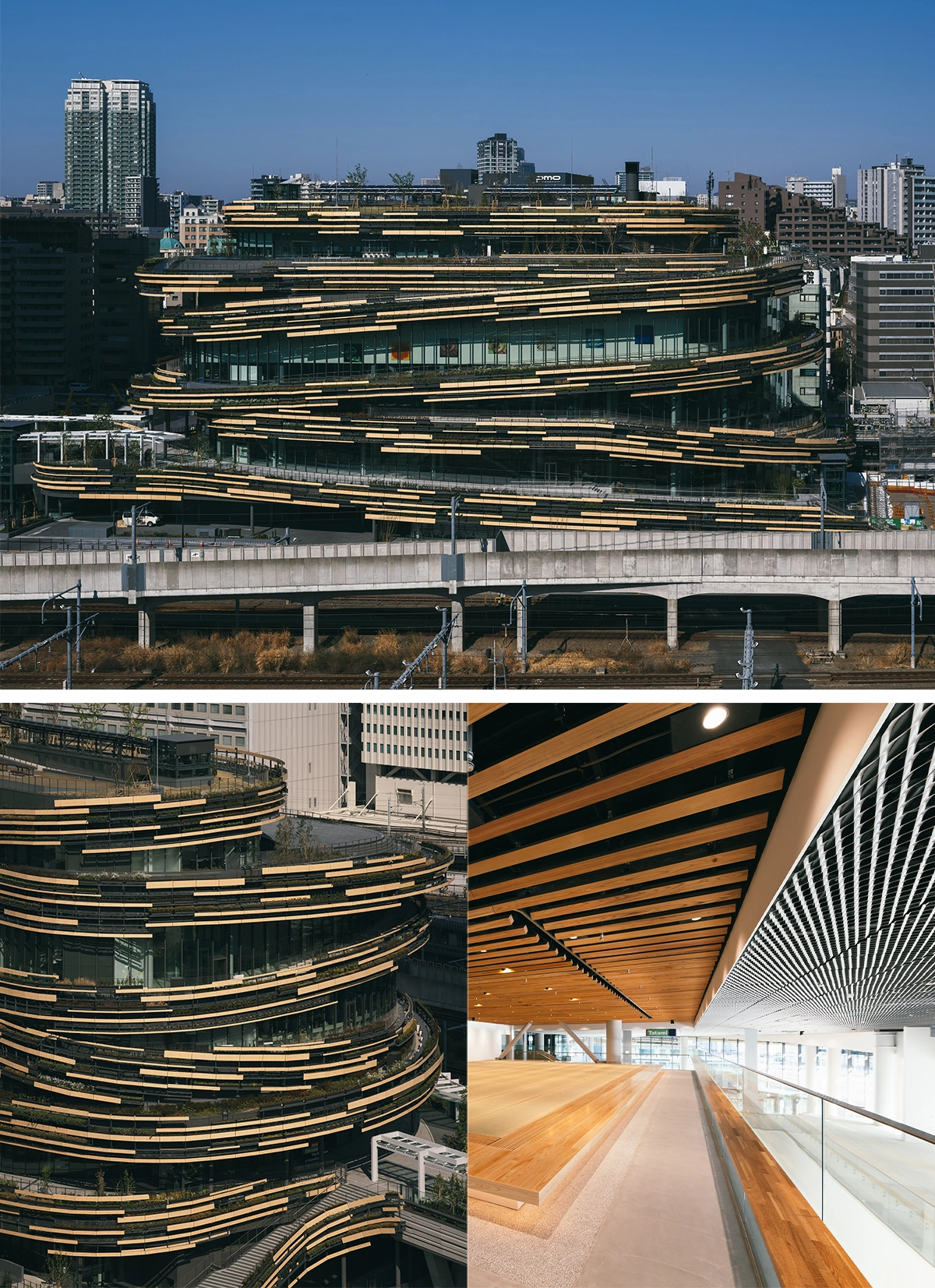
Tokyo’s contribution, The Museum of Narratives (MoN Takanawa) by Kengo Kuma, achieves a different kind of atmospheric effect. A spiraling façade of wood and glass shelters hundreds of living plant species, creating a vertical garden that feels like an understated rebuke to the surrounding density of the city. The building meditates on impermanence through cherry blossoms, human memory and urban life, while offering a soft, green counterpoint to Tokyo’s usual concrete-and-neon drama.
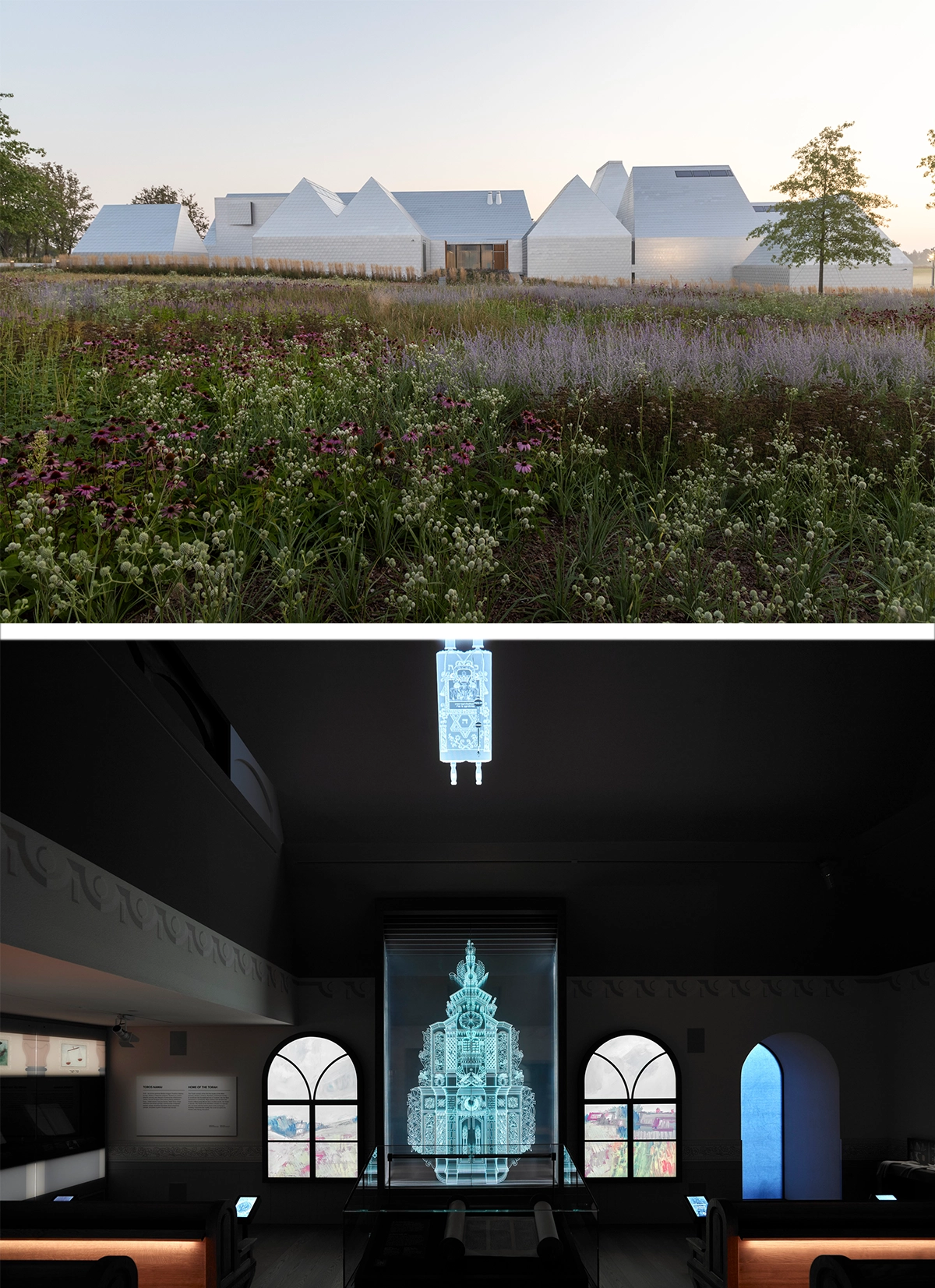
Far quieter, and more haunting, is the Lost Shtetl Museum in Lithuania. Designed by Rainer Mahlamäki, its clustered, muted-grey structures deliberately resemble a vanished village. The fragmented forms and restrained aesthetic do not shout about the destruction of Eastern European Jewish life; they whisper it. This is memorial architecture at its most disciplined, elegant in its sorrow.
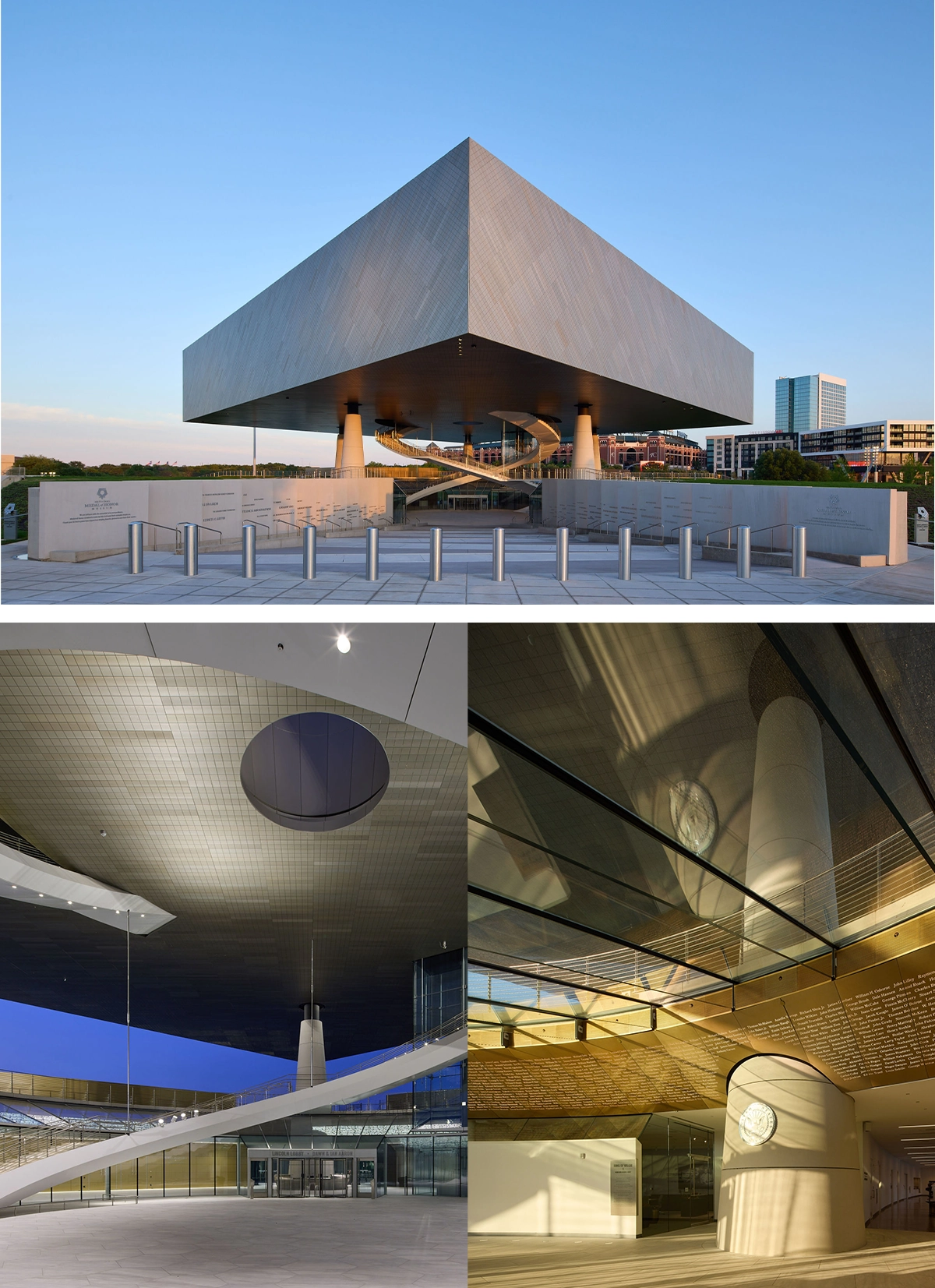
In Arlington, Texas, the National Medal of Honor Museum by Rafael Viñoly takes a more monumental approach. A steel-clad exhibition hall appears to float above a landscaped courtyard, supported by five massive columns that symbolize the branches of the U.S. Armed Forces. The interior galleries are airy and processional, guiding visitors through narratives of courage and sacrifice with a calm dignity that feels almost ecclesiastical.
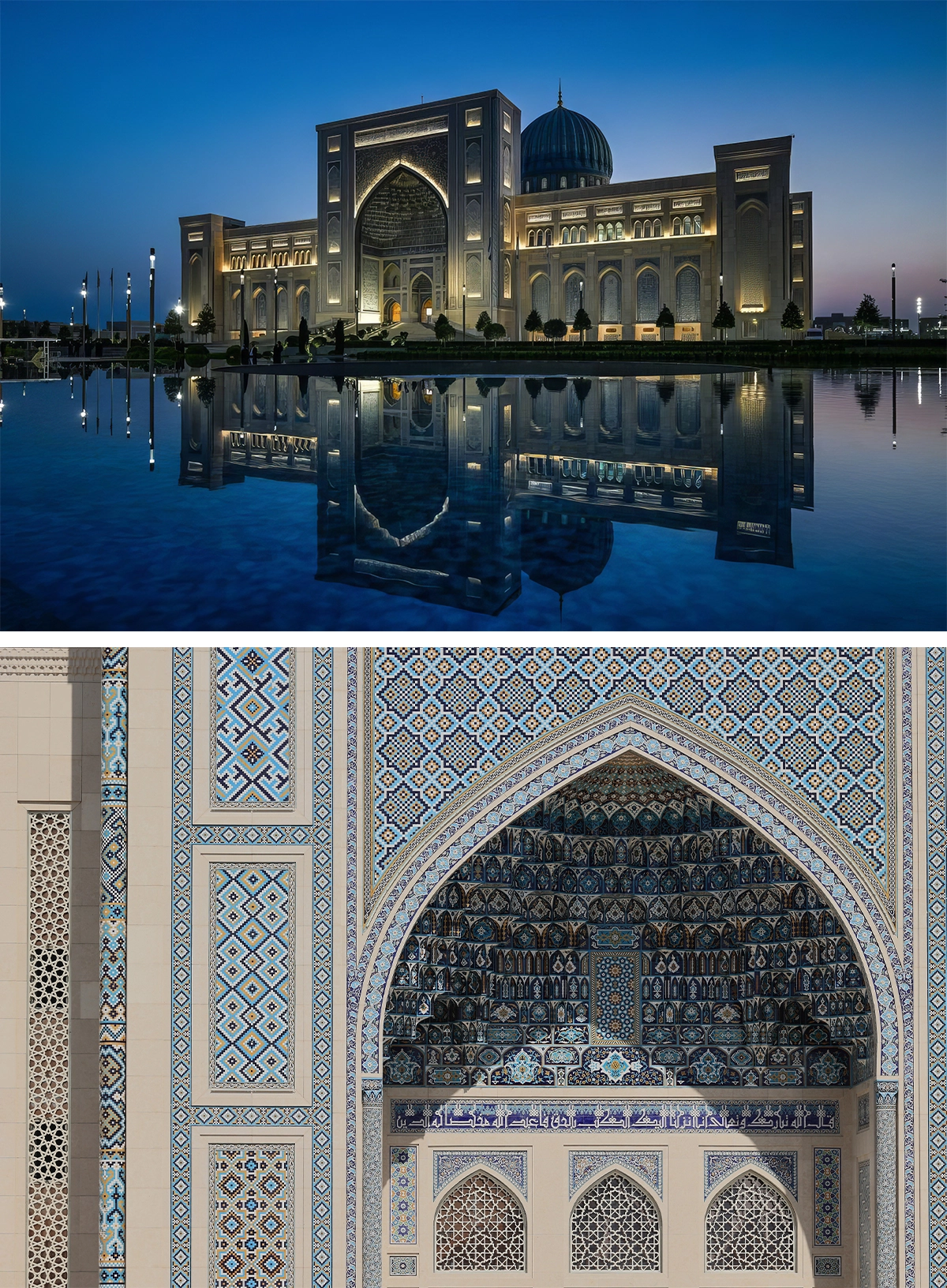
Finally, in Uzbekistan, the Islamic Civilization Center, a presidential initiative, returns us to the grand tradition of domed magnificence. Its 65-metre dome and luminous halls trace the nation’s Timurid heritage across different historical epochs.
“Together, these museums provide a real illustration of how strength and talent can be revealed through harmony, sensitivity and sharing,” said Gouadain.
In 2026, it seems, beauty is no longer just about how a building looks; it is about how gracefully it can carry the weight of our humanity, our history, and, in at least one case, our scents.
Taken together, the 2026 list feels like a quiet argument for architecture’s continuing relevance. In an era of spectacle and disposability, these museums suggest that the most powerful gestures are still those made with care, context, and a certain humility before both nature and history. They do not merely display culture. They embody it.




Living with the Land
In Austin, a sculptural legacy home by Alterstudio turns topography into poetry and structure into stanza.

A Deep Dive into East Asian Beauty and Philosophy
Discovering East Asian wisdom with Professor Chang Ko-chin