

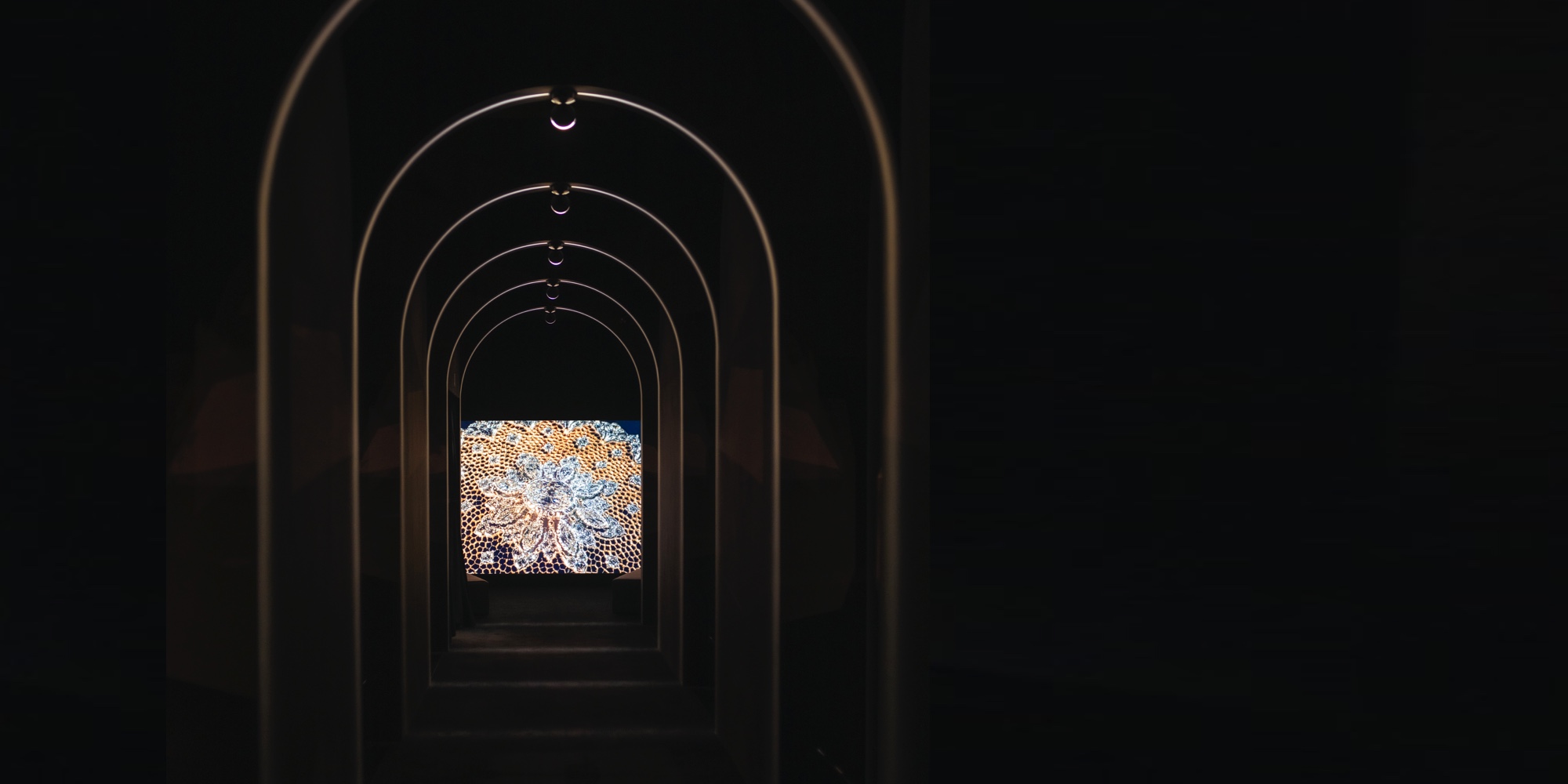
In 1936, the Italian poet and provocateur Gabriele D’Annunzio bestowed a title upon Mario Buccellati: “The Prince of Goldsmiths.” It was a nod to a man who didn’t merely set stones, but practiced a kind of high-stakes alchemy, spinning gold into the lightness of Venetian lace.
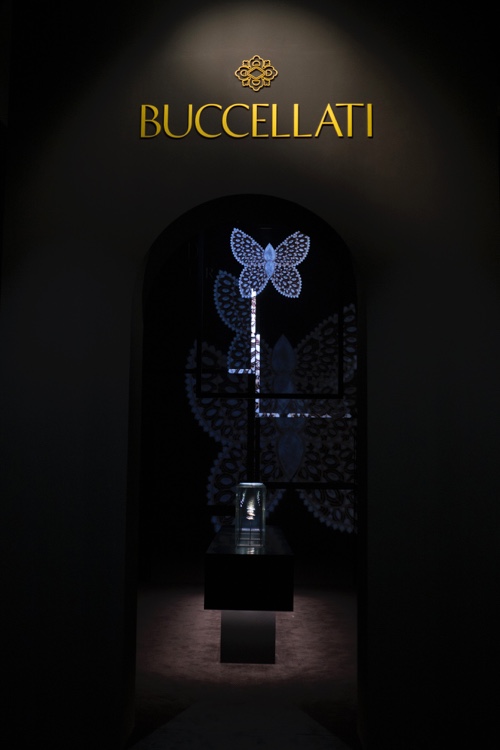
This winter, that princely legacy arrived in the vaulted halls of the Shanghai Exhibition Center. The Prince of Goldsmiths. Buccellati: Rediscovering the Classics, which concluded its run in early January 2026, invited visitors to wander through a gilded dreamscape.
The journey begins with a transformation that feels both Italian and playfully Eastern.A flutter of silver and gemstone butterfly wings guides visitors into the first gallery, a motif that evokes the ancient fantasy of Zhuangzi’s Butterfly Dream, where the boundary between the dreamer and the dreamed dissolve. Here, the transition of the family’s DNA is visible in every brooch, a testament to a generational obsession with the “honeycomb” texture and the rigato engraving that have become the firm’s thumbprints.
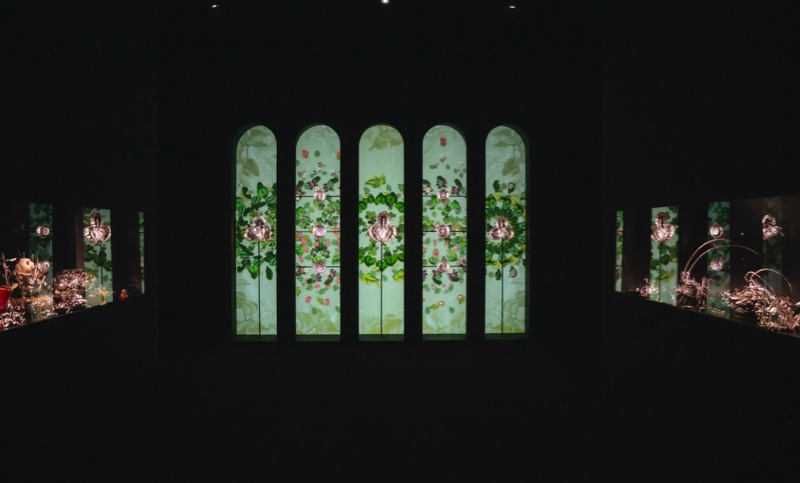
Moving deeper, the spectacle gives way to the “An Italian Family Story” gallery, a room that trades sparkles for the romance of the archive. Behind glass, the tools are the stars: worn hammers, yellowed letters, and grainy photographs that smell, metaphorically, at least, of the original Milanese workshop. It is the necessary “dirt” beneath the fingernails of the “Prince,” reminding the viewer that even the most ethereal tiara began as a stubborn lump of metal.
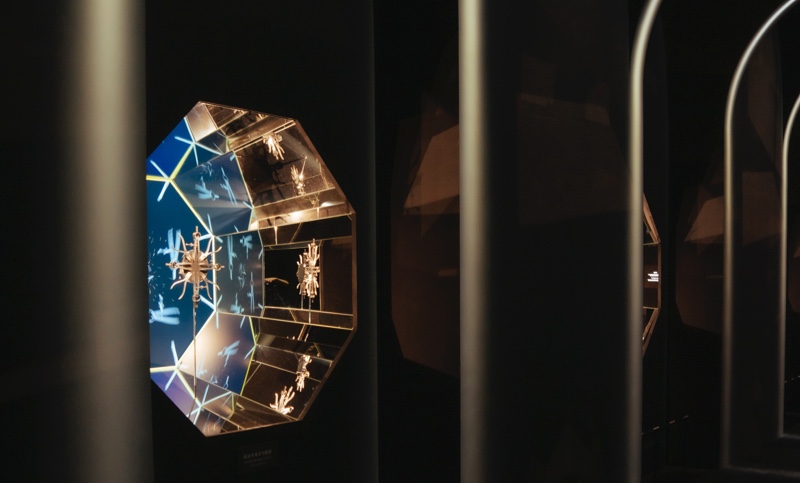
The heart of the exhibition, a series of rooms titled “Manmade Wonders,” navigates the intersections of jewellery, couture, and the built environment. In one space, projections drench the walls, linking the silhouette of a historic silver handbag to the lines of Renaissance architecture. In another, powder compacts and cigarette cases are elevated to the status of archaeological finds, nodding to Mario and Gianmaria’s fascination with classical antiquity and the silver Boscoreale cups.
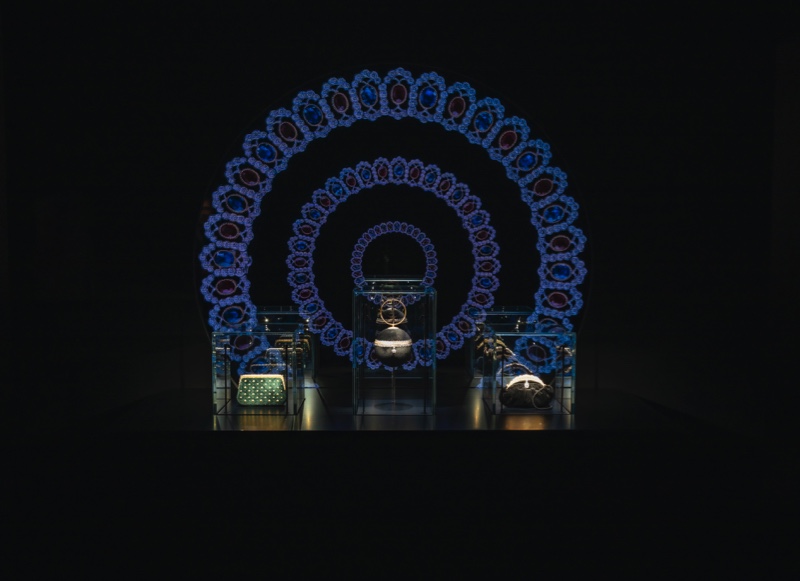
The experience culminates in a “metaphysical gallery” titled “The Gallery of the Icons”. Here, among white classical columns that seem to float in a digital void, the Maison’s high jewellery masterpieces from 1920 to the present are suspended between the past and the future. To wrap up, a film by Yuri Ancarani offers a cinematic meditation on the Mosaico collection, capturing the rhythmic, percussive music of hands and hammers. It is a fitting end to a show that proves that, while empires may rise and fall, the ability to turn a hard metal into a soft silk remains the most potent magic of all.




An Exclusive Interview with the Heir to The Creed Brand
Erwin Creed makes scents all his own while staying true to a long and noble family legacy.

