

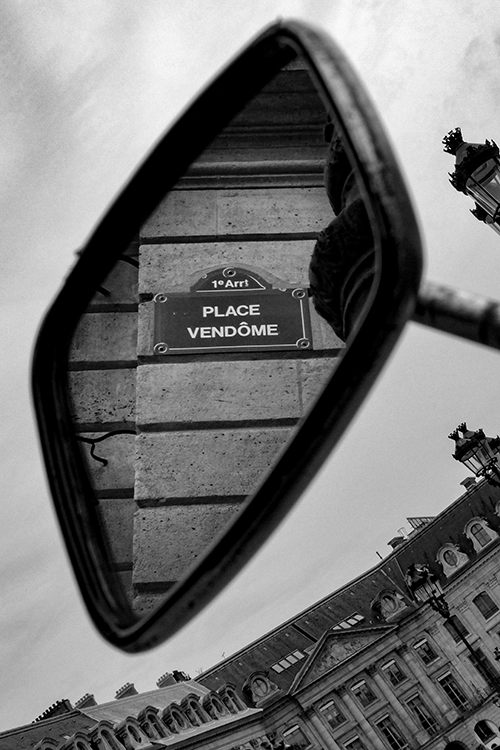
It is a rare thing, in the ephemeral world of luxury, for a house to remain tethered to a single, unwavering obsession for nearly two and a half centuries. Yet, at 12 Place Vendôme, the heartbeat of Chaumet is still perfectly in tune with the botanical passions and crowned splendour of a long-departed empress. Its story, though unmistakably Parisian, has never been confined to France alone. In Canada, where French influence has shaped the country’s cultural landscape for centuries, the traditions of French craftsmanship have long found fertile ground.
Founded in Paris in 1780 by Marie-Étienne Nitot, Chaumet has long occupied a singular place in the history of French jewellery. Nitot quickly rose to become the official jeweller to Napoleon, crafting ceremonial swords and coronation crowns that would define the glory of the burgeoning French Empire.
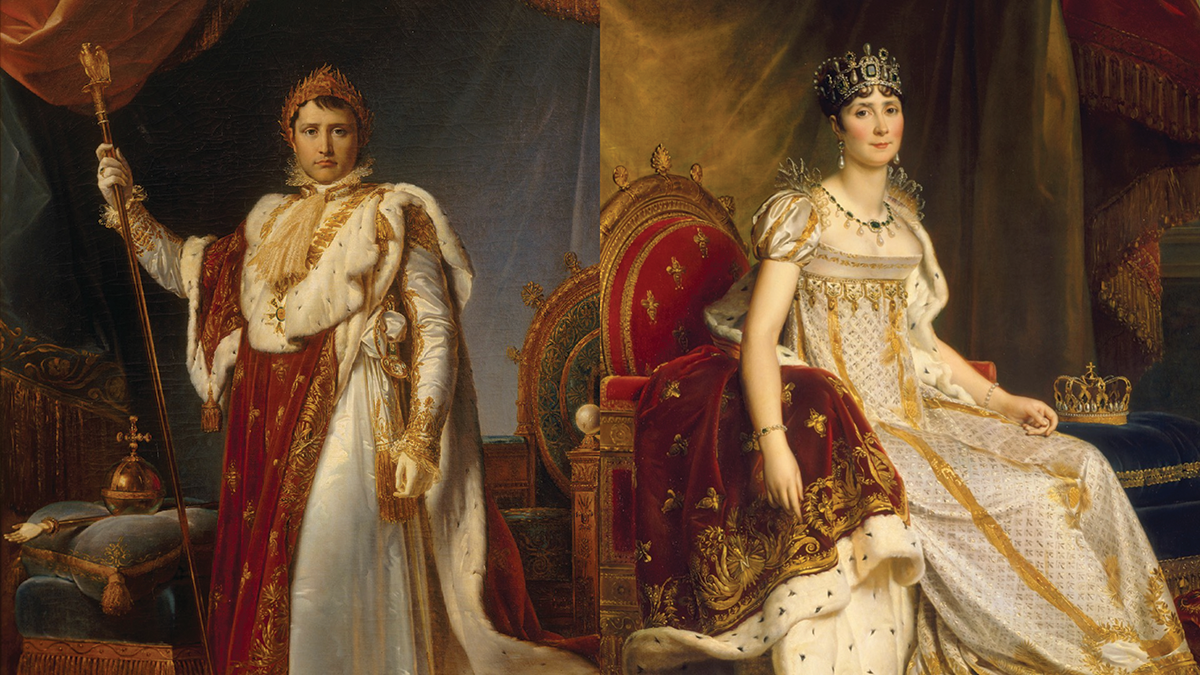
It was Empress Joséphine, however, with her ardent penchant for rare botanical species, who truly bequeathed Chaumet its creative DNA. She viewed the world as a gardener, and the house has been cultivating that vision ever since.
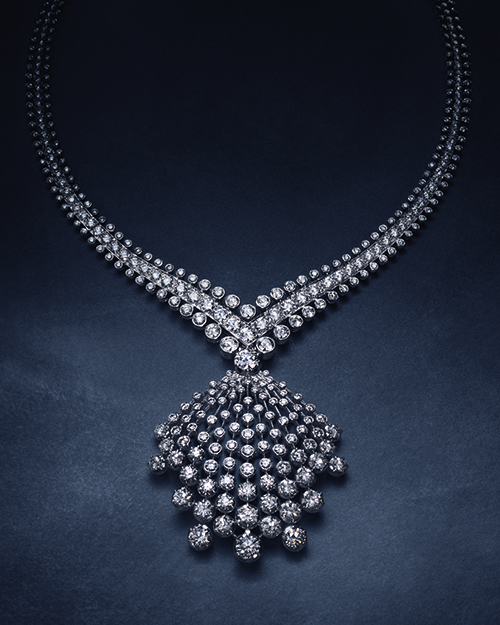
This imperial lineage finds its most articulate expression in the Joséphine collection, a masterclass in distilled sophistication. Central to its design is the signature “aigrette” motif, a sharp, architectural “V” silhouette drawn directly from the imperial crowns and tiaras of the 19th century.