
In the vernacular of luxury, the word “travel” is less about the distance covered and more about the state of becoming. It is the art of moving through the world with a resilience that outlasts the elements. For Louis Vuitton, it began literally, with trunks designed to survive the salt spray of steamships and the jostling of iron rails. But in the contemporary climate, the concept of a journey has taken on a more existential weight.
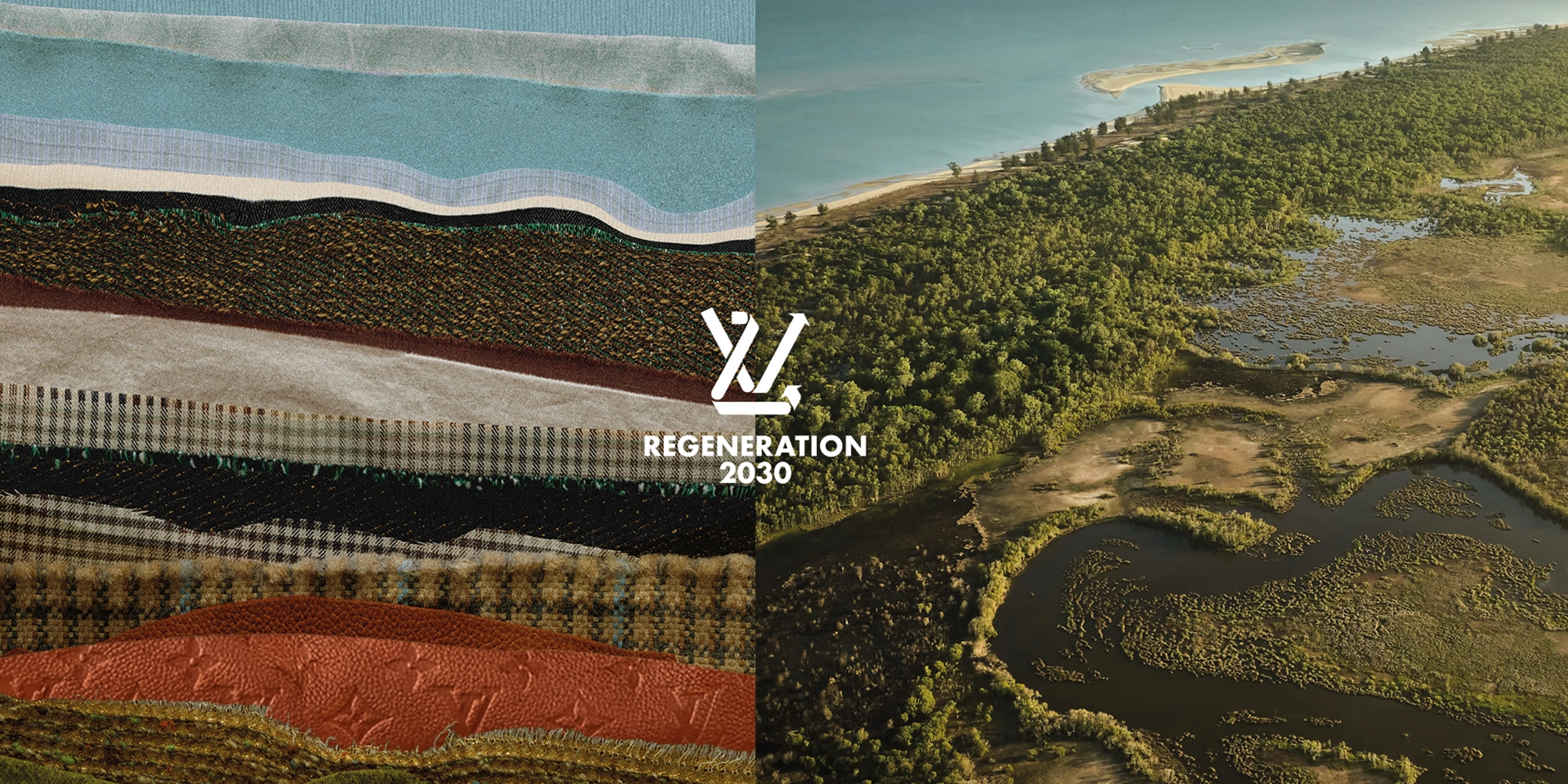
The Maison’s latest manifesto, Regeneration 2030, suggests that the art of travel is evolving into an art of endurance. This sustainability initiative acknowledges that in a rapidly changing world, the ultimate luxury is not just a product that lasts, but a world that does.
The program operates on a tripartite philosophy: environmental progress, the circularity of production, and the granular ethics of daily operations. But the project’s inner substance lies in how it reimagines the act of creation itself. Rather than merely performing the penance of harm reduction, Vuitton is investigating how a luxury workshop can function as a regenerative force. This begins with the intentional sourcing of materials, the very marrow of the brand, and extends through a manufacturing process that favours the slow and deliberate over the fast and disposable.
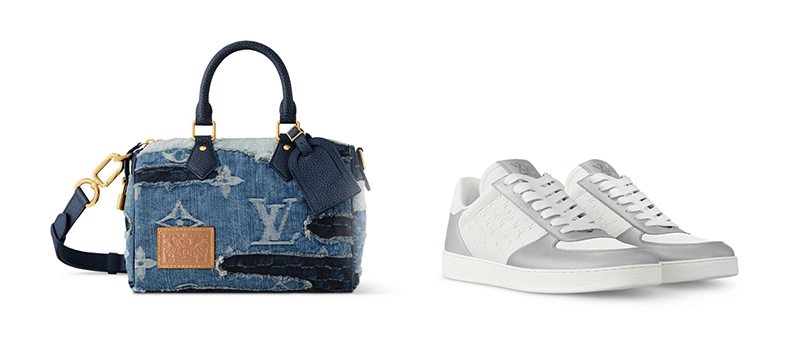
By doubling down on its “repair, rather than replace” ethos, shifting from a boutique service to a core environmental strategy, the Maison is challenging the modern fixation on disposability. In this vision, durability is the ultimate luxury. A piece that lasts for generations is a piece that has effectively stepped outside the cycle of resource extraction.
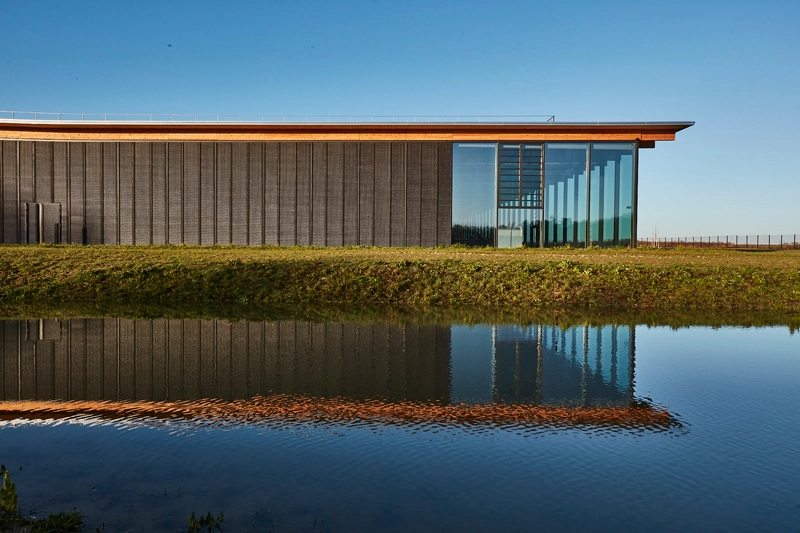
This transition is not a sudden epiphany, but the acceleration of a movement. Since 2020, the company has been quietly retooling its network, from the traceability of its raw fibres to the carbon footprint of its retail flagships. Regeneration 2030 scales this ambition to include the entire ecosystem of craftspeople, suppliers, and global partners. It is a massive coordination of human effort, a call for a proactive stance in an era of ecological reaction.
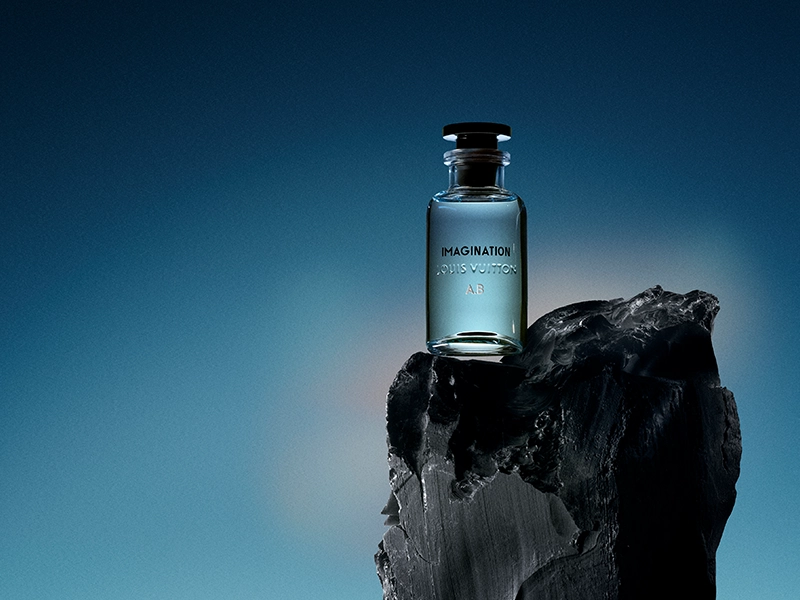
To observe this shift is to see a brand reconciling its heritage with its future. By focusing on the longevity of the object and the regeneration of the source, Louis Vuitton is attempting to ensure that the concept of “travel” remains possible for the generations to come. At its heart, the initiative is a call for a more conscious form of creation, a belief that the things we carry should not only tell the story of where we have been, but safeguard the world we are going toward.




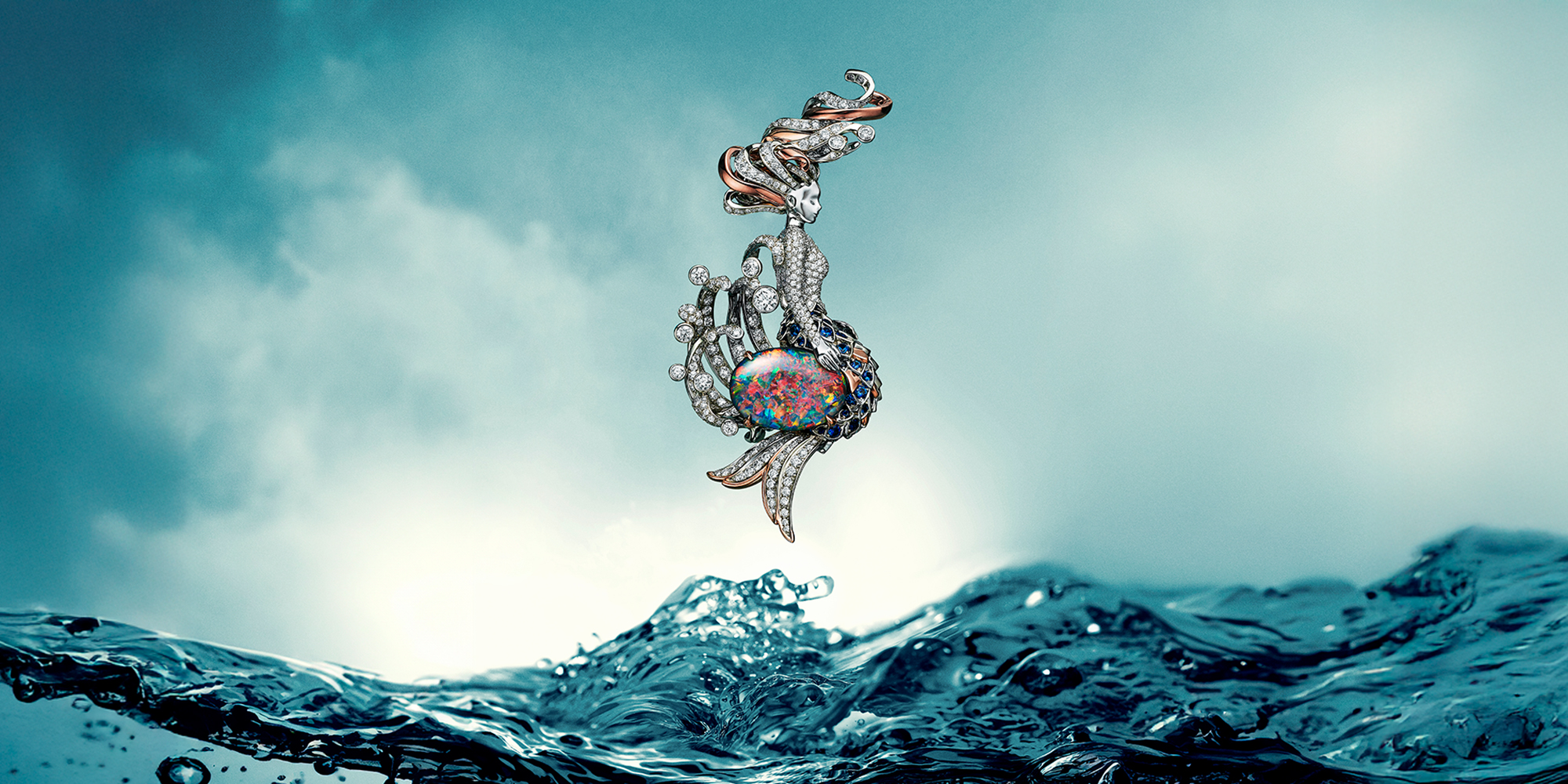

Let Every Gem Be Your Wings
“If you were born without wings, do nothing to prevent them from growing.”