

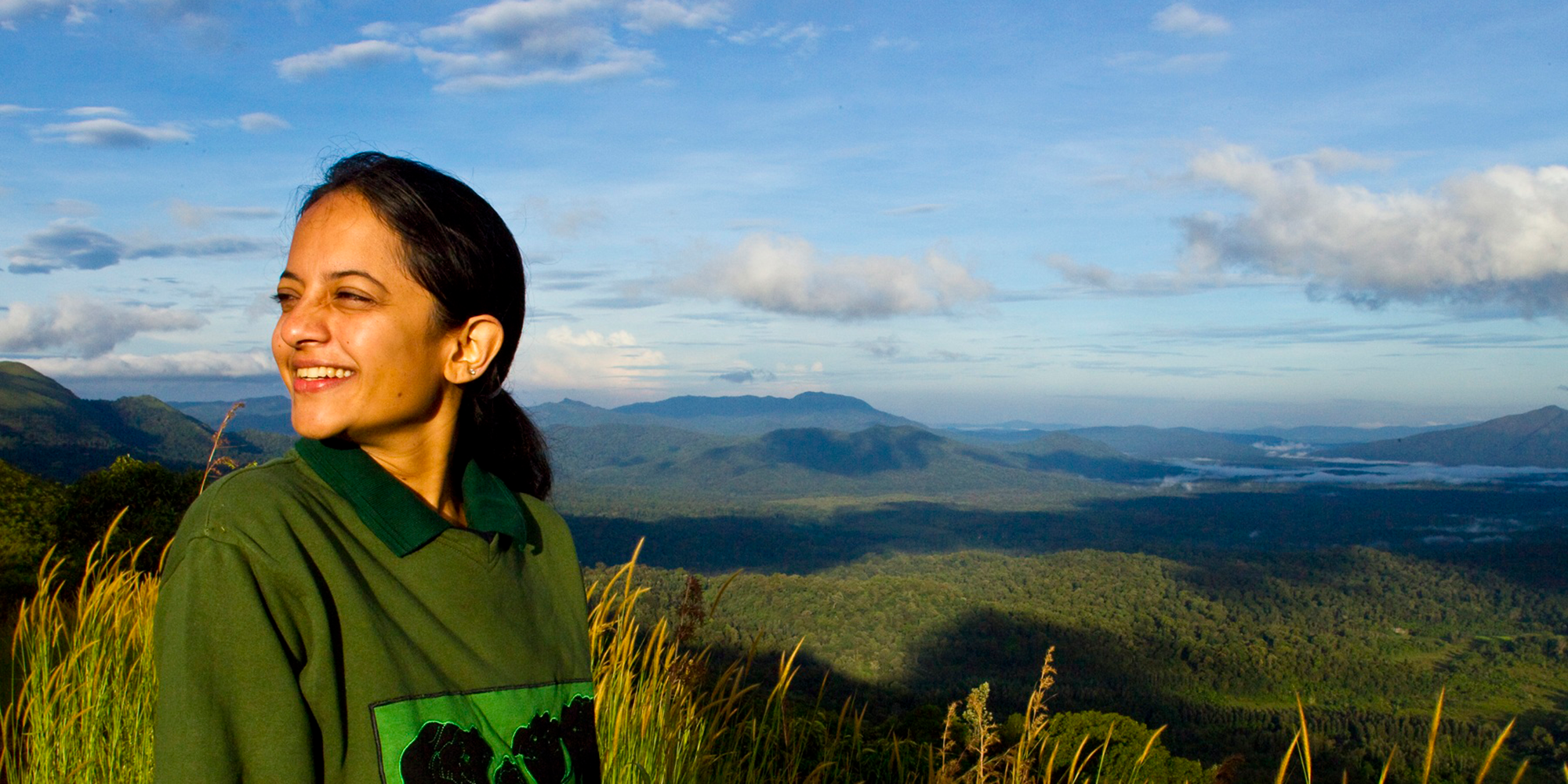
In India, where 1.4 billion people navigate daily life in the shadow of tigers, elephants, and leopards, Krithi K. Karanth has spent nearly 30 years trying to turn fear into familiarity. In May 2026, she was named the Rolex National Geographic Explorer of the Year, an honor that recognizes not only scientific achievement but a particular kind of stubborn, ground-level optimism.
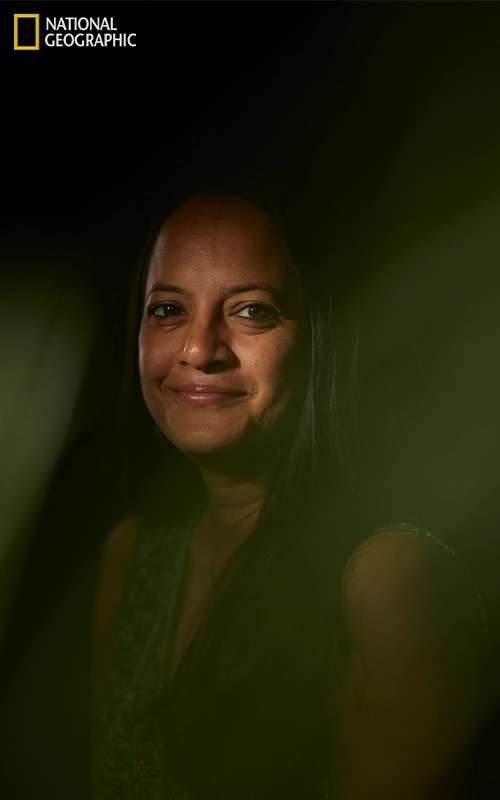
Karanth, a scientist and the CEO of the Centre for Wildlife Studies, grew up in a vanishingly rare kind of intimacy with the wild. She saw her first leopard at age two. By eight, she was following tiger pugmarks with her father, a renowned biologist. That childhood shaped a conviction few in India are granted the luxury to form: that wildlife is not a distant romance or an existential rival, but a neighbor with whom one must learn to negotiate.
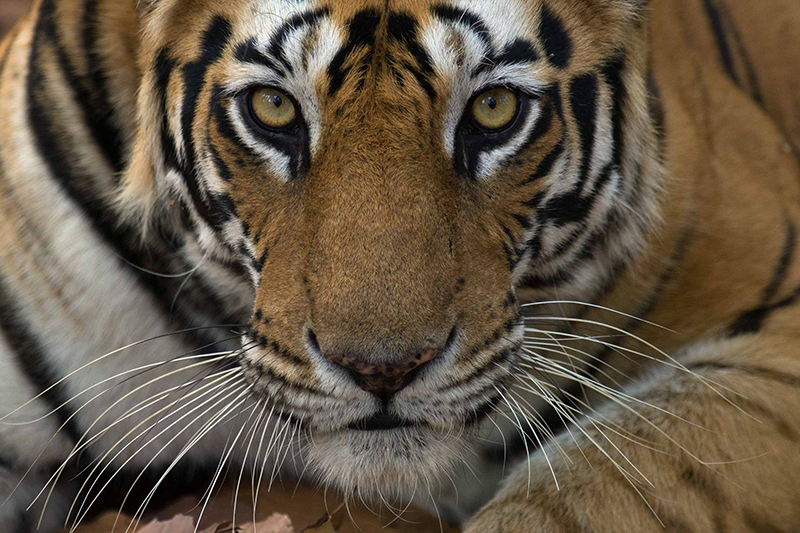
She speaks with the measured calm of someone who has spent decades watching both animals and humans under strain. “At this critical moment,” she says, “the need for science-based conservation, grounded in evidence and collaboration, has never been greater.” Her three programs — Wild Seve, a rapid-response helpline for conflict victims; Wild Shaale, which brings experiential wildlife education to rural schools; and Wild Surakshe, which trains local communities — are built as practical, scalable bridges between people and megafauna. She envisions them traveling beyond India: to jaguars in South America, bears in North America, lions in Africa.
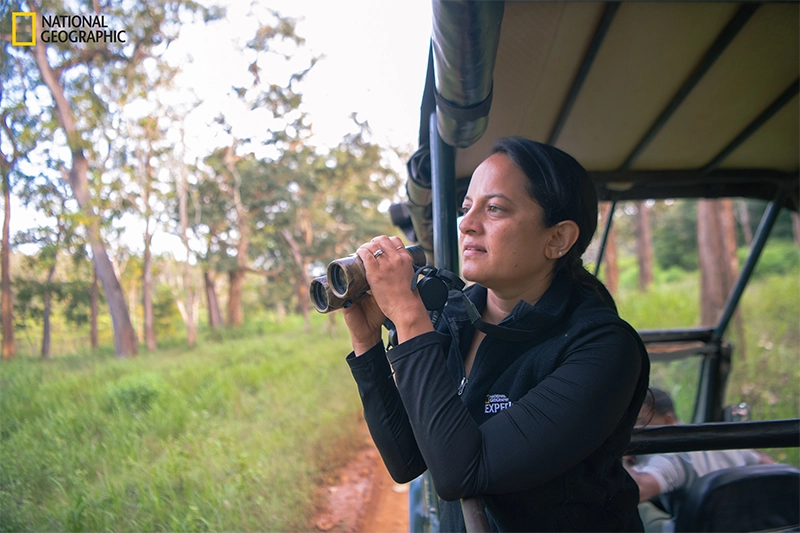
What makes the award particularly resonant is Rolex itself. For nearly a century, the Geneva watchmaker has backed explorers who tested the limits of human endurance. But in recent years, the company has subtly recalibrated its gaze. In 2019 it launched the Perpetual Planet Initiative, a serious, long-term commitment to supporting those trying to keep the planet livable. The initiative now partners with more than 30 projects across three realms: Oceans, Landscapes, and Science, Health, and Technology. It backs Sylvia Earle and Mission Blue in the seas, rewilding efforts in Patagonia, Steve Boyes’s expeditions along Africa’s Great Spine, and a range of scientists and inventors working at the frontiers of knowledge.
By choosing Krithi K. Karanth, Rolex has placed its weight behind the kind of explorer the 21st century actually needs: not the one who plants a flag in untouched territory, but the one who works where the untouched has long since vanished. In an age when stories of biodiversity loss often arrive wrapped in fatalism, Karanth offers something more hopeful: proof that coexistence is not sentimental fantasy, but a design problem that can be solved with patience, ingenuity, and respect for the people who live at the sharp edge of it.
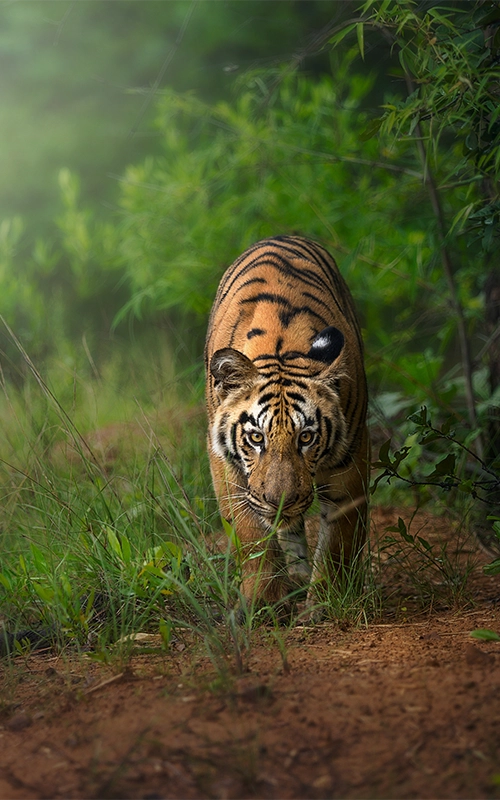
Rolex, it seems, has come to understand that the most meaningful expeditions now are the ones that happen close to home, and that keeping the planet perpetual may be the ultimate horological challenge.




The Simple Truth About Beautiful Architecture
A New York architect shares timeless lessons from world architecture


