

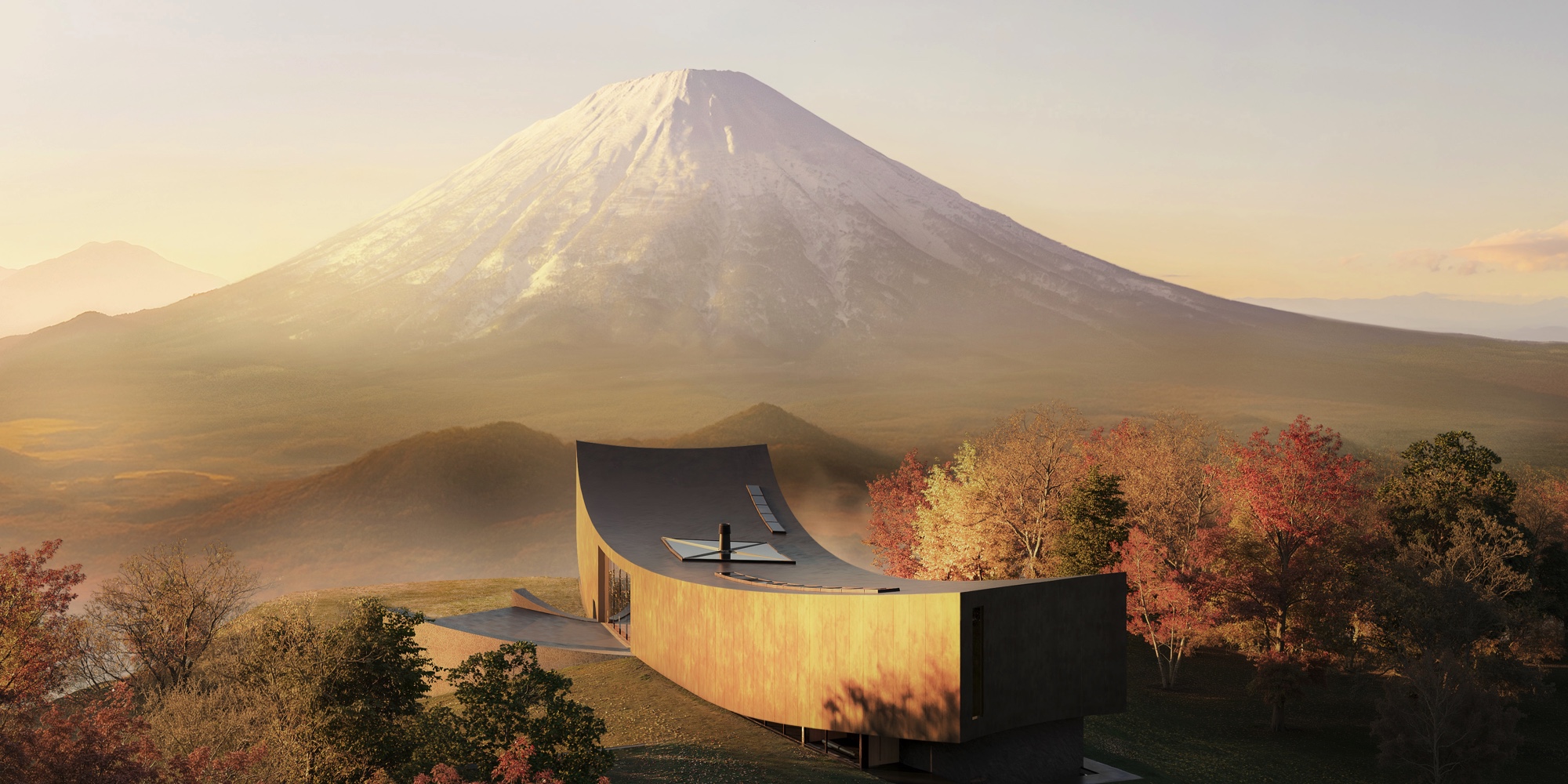
Overlooking Tokyo Bay, an oceanfront escape turns its gaze toward Mt. Fuji. Its secluded, streamlined silhouette appears to melt into the rugged cliffside, punctuated only by a gleaming KAWS sculpture perched on the roof. In the verdant forests of Kitakaruizawa, wood and glass harmonize with the lush canopy, while further south, on Yakushima Island, a low-slung stone sanctuary nestles amongst pattering rain and whispering cedars.
Though distinct in form, these retreats are united by a singular, groundbreaking vision: NOT A HOTEL.
More than a brand, NOT A HOTEL is an architectural initiative that dissolves the boundaries between hospitality and real estate, tradition and modernity, and the act of living amongst art. By reimagining fractional ownership, the initiative offers an innovative way to inhabit the world’s most coveted landscapes.
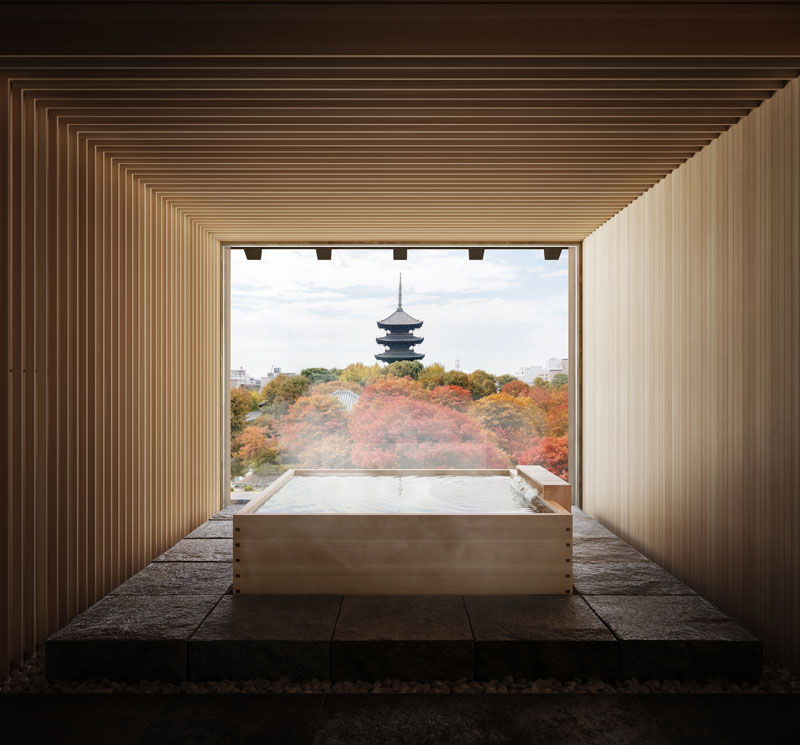
At its essence, the brand creates luxurious bespoke vacation homes modeled on a fragmentary take on ownership. Its portfolio is a love letter to the Japanese landscape, a territory chosen for its dramatic topographies and a heritage of craftsmanship. What truly elevates the portfolio is its eminent roster of “Creators,” from the street-culture sensibility of NIGO and Pharrell Williams to the architectural rigor of Jean Nouvel and Masamichi Katayama.
Heritage for Tomorrow
While NOT A HOTEL has set a new standard for modern living, it is now expanding its reach with HERITAGE by NOT A HOTEL. This new hotel concept reinterprets the design principles of the past to create a forward-facing take on legacy architecture.
Under this umbrella, sites of historic interest—museums, temples, and machiya townhouses—are reinterpreted for 21st-century stays.
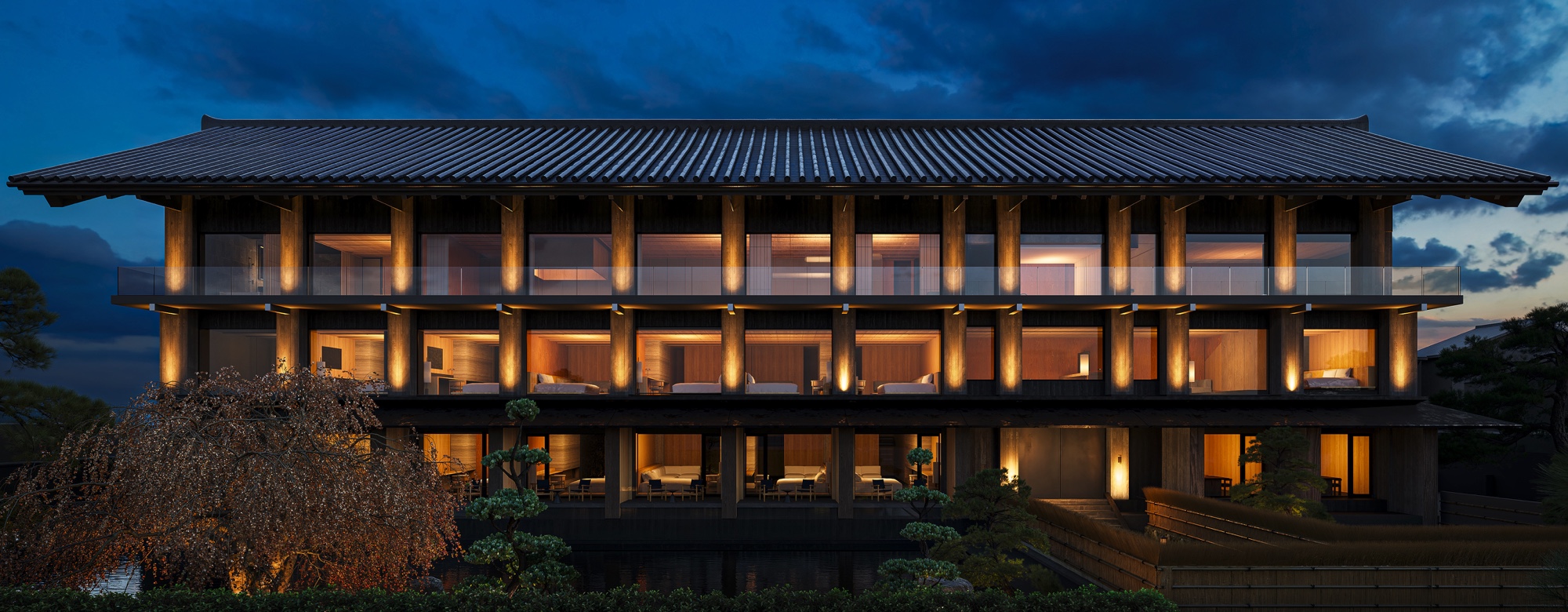
The inaugural project resides within Kyoto’s 1,200-year-old Tō-ji Temple. Within the hushed reverence of these grounds, a former lodging for monks is being transformed into a sanctuary for the modern traveller. The essence of Heian-period heritage is upheld through clean-lined architecture, shoji screens, and a meticulously crafted Japanese garden. Here, the Buddhist wisdom of the “Five Great Elements” is woven into the physical experience: a state-of-the-art gym encourages the movement of Wind, while a palette of wood and stone grounds the space in Earth.





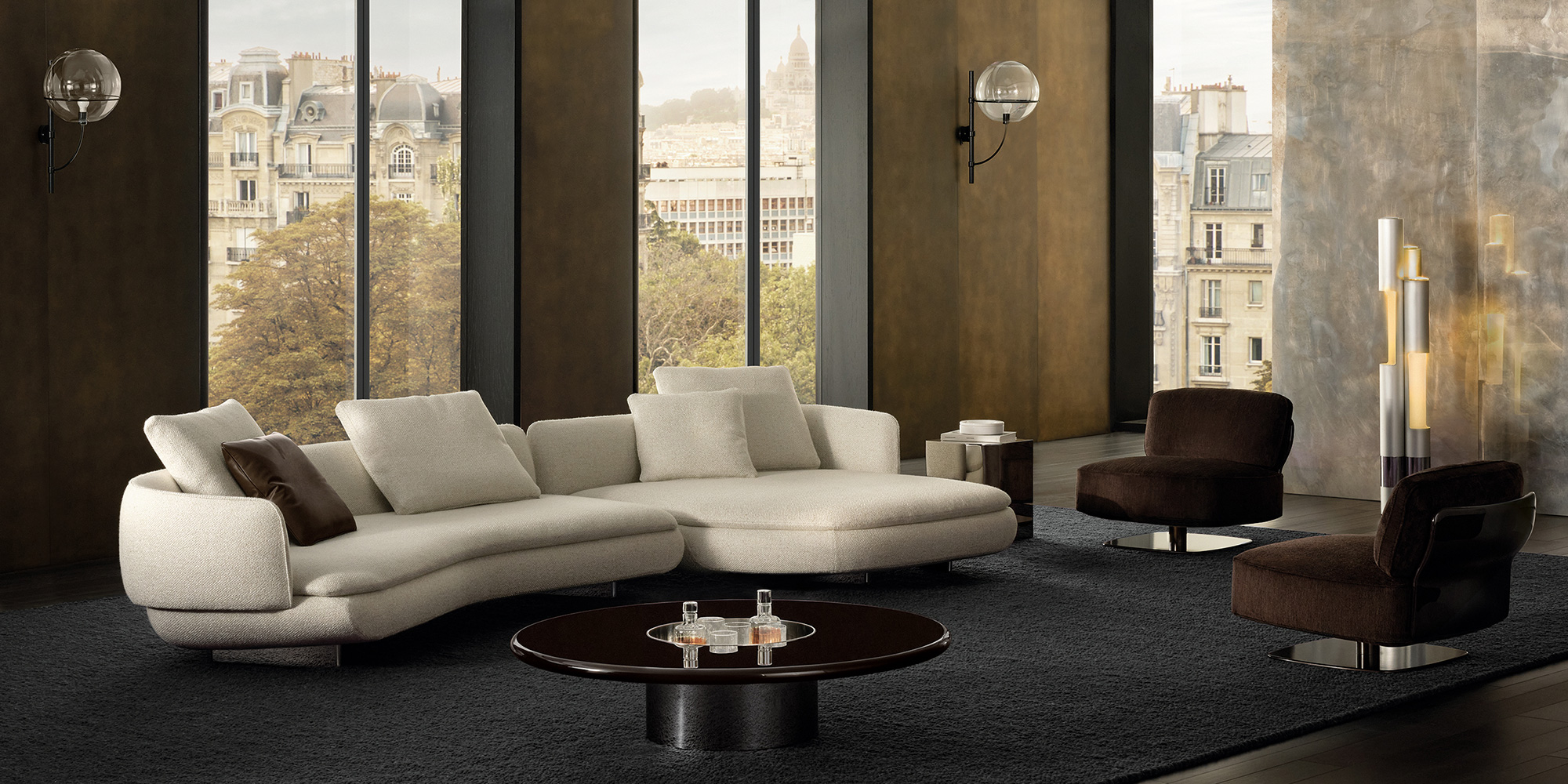
The Art of Seating
An inside look at how aesthetic duality shapes the making of a modern classic.

Chef McEwan’s Take On the Hospitality
This celebrity chef believes the service is as important as the food

A Tenmoku Master Revives the Lost Treasure from Song Dynasty
A Colourful World in a Bowl

