

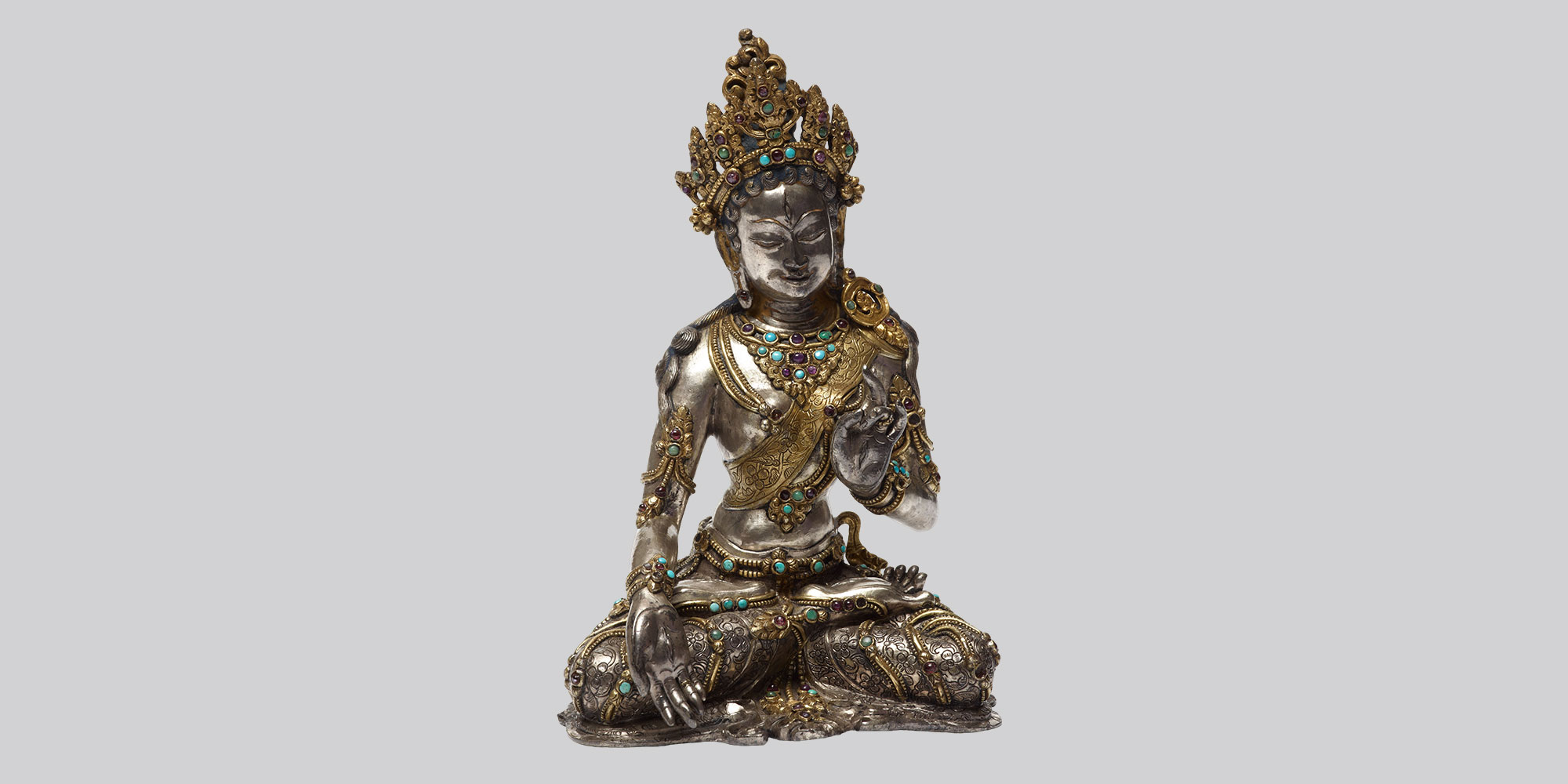
In the mid-century landscape of American connoisseurship, few names carry the weight of John D. Rockefeller 3rd and Blanchette Hooker Rockefeller. Between the 1950s and 1970s, the couple amassed a collection of Asian art governed by a persistent faith: that the “direct encounter” between a viewer and a sublime object could fundamentally alter one’s perspective on the world.
On March 18, 2026, the Asia Society Museum marks its 70th anniversary by dusting off 70 masterworks from the permanent collection—many appearing from the vaults for the first time in years—for the exhibition Buddha and Shiva, Lotus and Dragon, a 2,000-year-old conversation carried out in clay, copper, and stone.
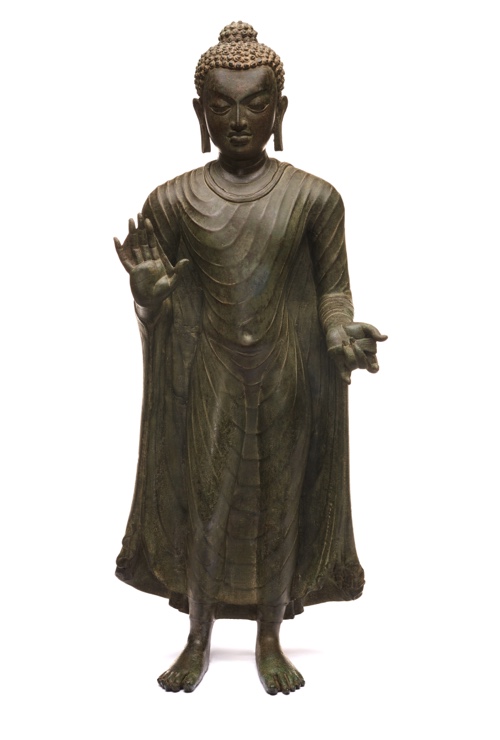
The show is structured to resist the usual museum silos of geography. Rather than neat rooms labeled “Japan” or “India,” the curators have organized the galleries around patterns of transmission, divided into three sections: Buddhist sculpture; Hindu sculpture from South and Southeast Asia; and ceramics and metalwork from China, Korea, and Japan. We can trace how a specific iconographic vocabulary, such as the abhaya mudra (the raised-palm gesture of reassurance and protection), was first cast in a 6th-century bronze Buddha Shakyamuni, probably in Bihar during the Gupta period, and then traveled across Central, East, and Southeast Asia over the following centuries.
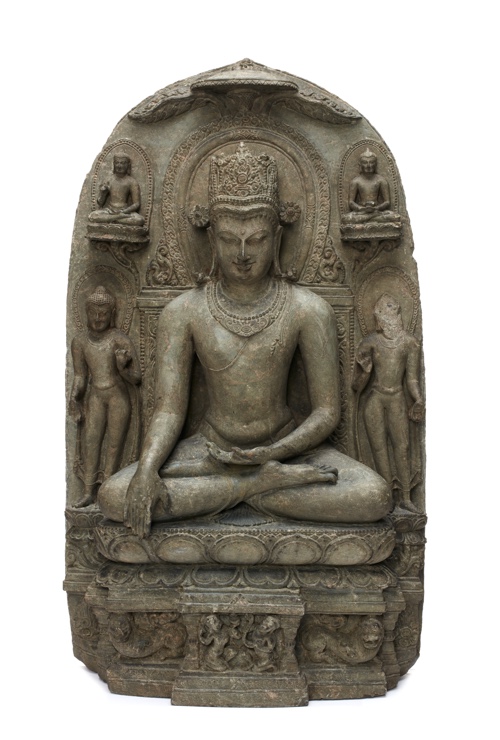
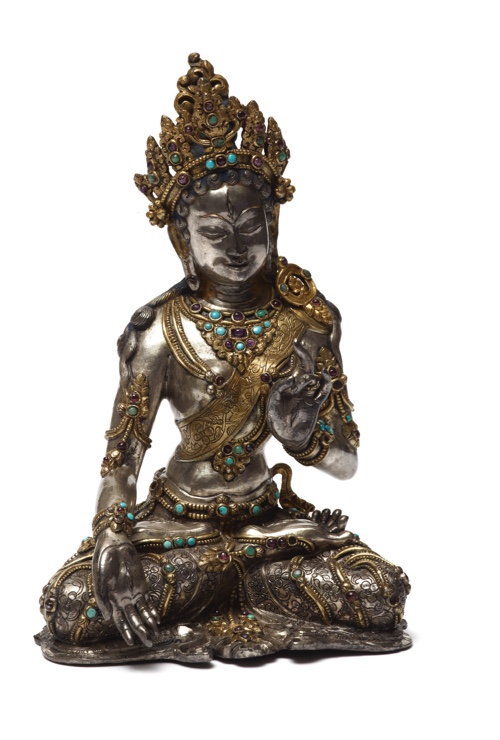
In the Buddhist gallery, a white marble stele from China’s Northern Qi dynasty (circa 570) depicts two Bodhisattvas seated in what is known as the “pensive pose,” one finger resting lightly against the cheek. The imagery is Indian in origin, but the monochrome marble and the specific fall of the drapery signal a distinctly Chinese sculptural sensibility. For Xiaohan Du, John H. Foster Assistant Curator of Pre-Modern Asian Art, the piece’s meditative quality absolutely offers a 6th-century antidote to the “digital distractions” of 2026. “Modern life,” she says, “is increasingly beset with all kinds of digital and other distractions.” To stand before the pensive pose is to be invited to “tend to the inner life of our thoughts.”
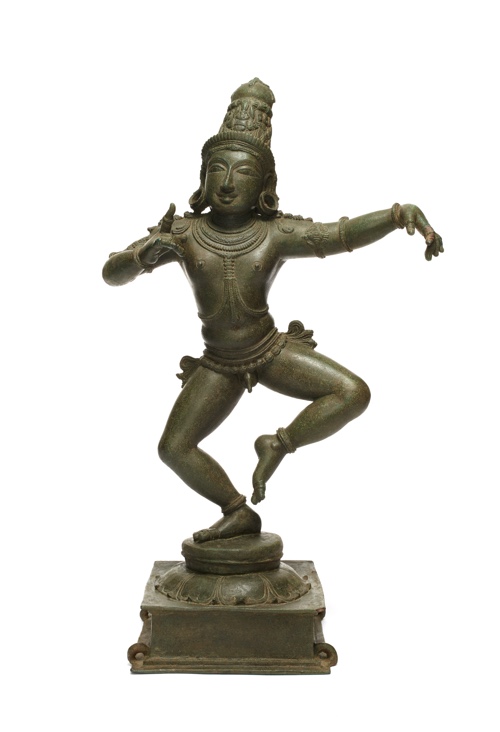
If the Buddhist section is about the quietude of the mind, the Hindu section is about the rhythm of the body. The sculptures from South and Southeast Asia, largely dating from the 10th to 14th centuries—a period of temple building and bronze casting on a remarkable scale—embody this vitality. Here, a 12th-century Chola bronze of Saint Sambandar from Tamil Nadu exemplifies the technical virtuosity of the period. Cast for temple processions, the figure’s rhythmic proportions capture the youthful poet-saint mid-stride in a joyful dance. “This sculpture speaks of joy and celebration. Despite its static medium, it reminds us of the performative and musical aspects of religious ceremonies,” explains Du.
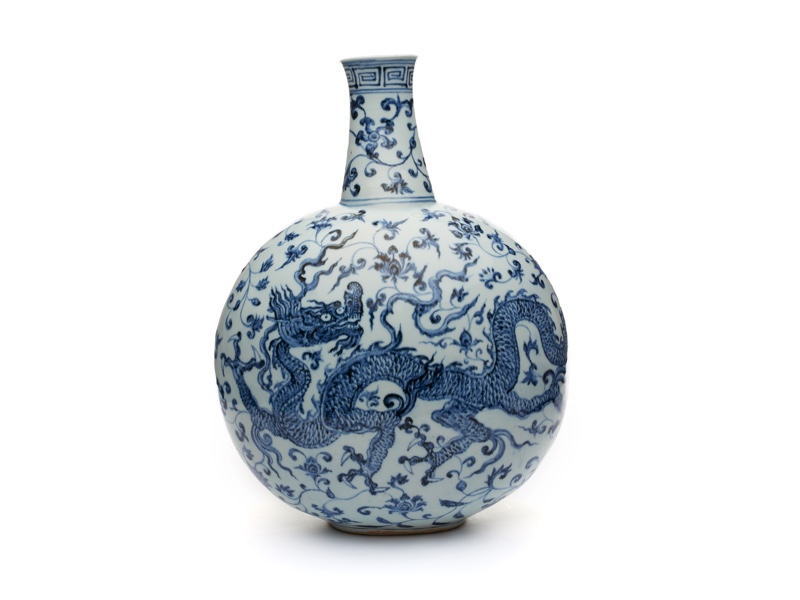
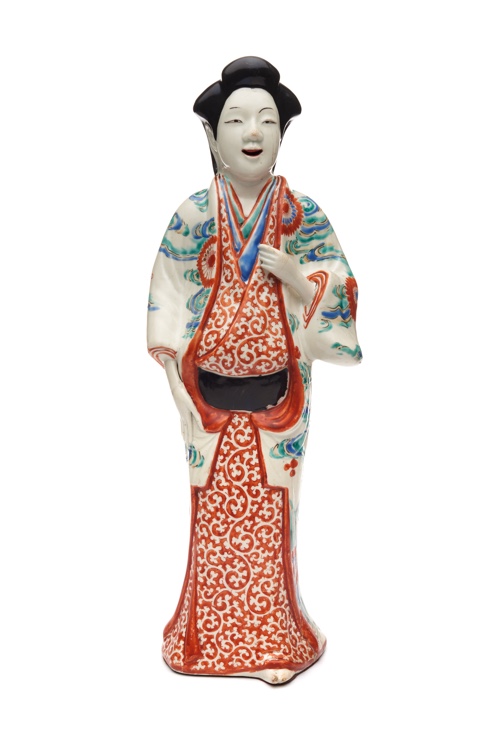
The exhibition culminates in an expansive study of ceramics and metalwork from China, Korea, and Japan, where the “sacred” meets the “commercial.” A 15th-century blue-and-white porcelain flask from the Yongle era (1360–1424), produced at the imperial kilns of Jingdezhen, sits near a 17th-century Arita ware figure in the Kakiemon style. The latter shows how Japanese potters adapted imported Chinese techniques to create an aesthetic that would bewitch the European market. It is a story of “dynamism and vitality” told through the commerce of ceramics. “Ceramics were a major part of commerce throughout Asia historically; trade patterns underscore this importance,” Du says.
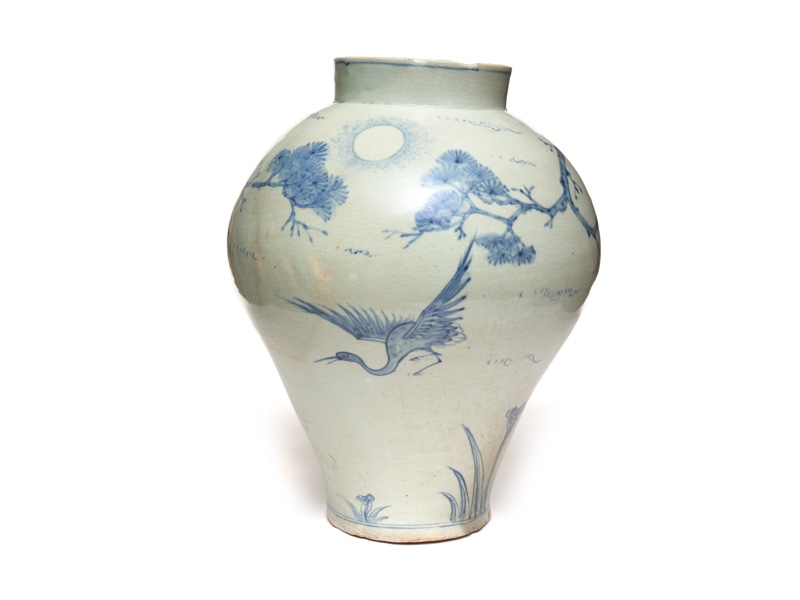
The strength of the Rockefeller collection lies in its ability to reconcile the monumental with the personal. Du highlights an 18th-century Korean blue-and-white storage jar from the Joseon dynasty, decorated with traditional emblems of longevity. Its “softer cobalt” reflects a specifically Korean material reality, yet for Du, the object resonates on a familial level, recalling childhood memories of watching the full moon during the Mid-Autumn Festival.
Supplemented by recent gifts from Rockefeller daughters Hope Aldrich and Sandra Ferry Rockefeller, the exhibition underscores a lineage of stewardship that remains active. Buddha and Shiva, Lotus and Dragon offers a map of the world in which artists, pilgrims, and merchants were in constant, creative motion, proving that the vitality of Asian art has always been found in its ability to travel.


A Deep Dive into East Asian Beauty and Philosophy
Discovering East Asian wisdom with Professor Chang Ko-chin
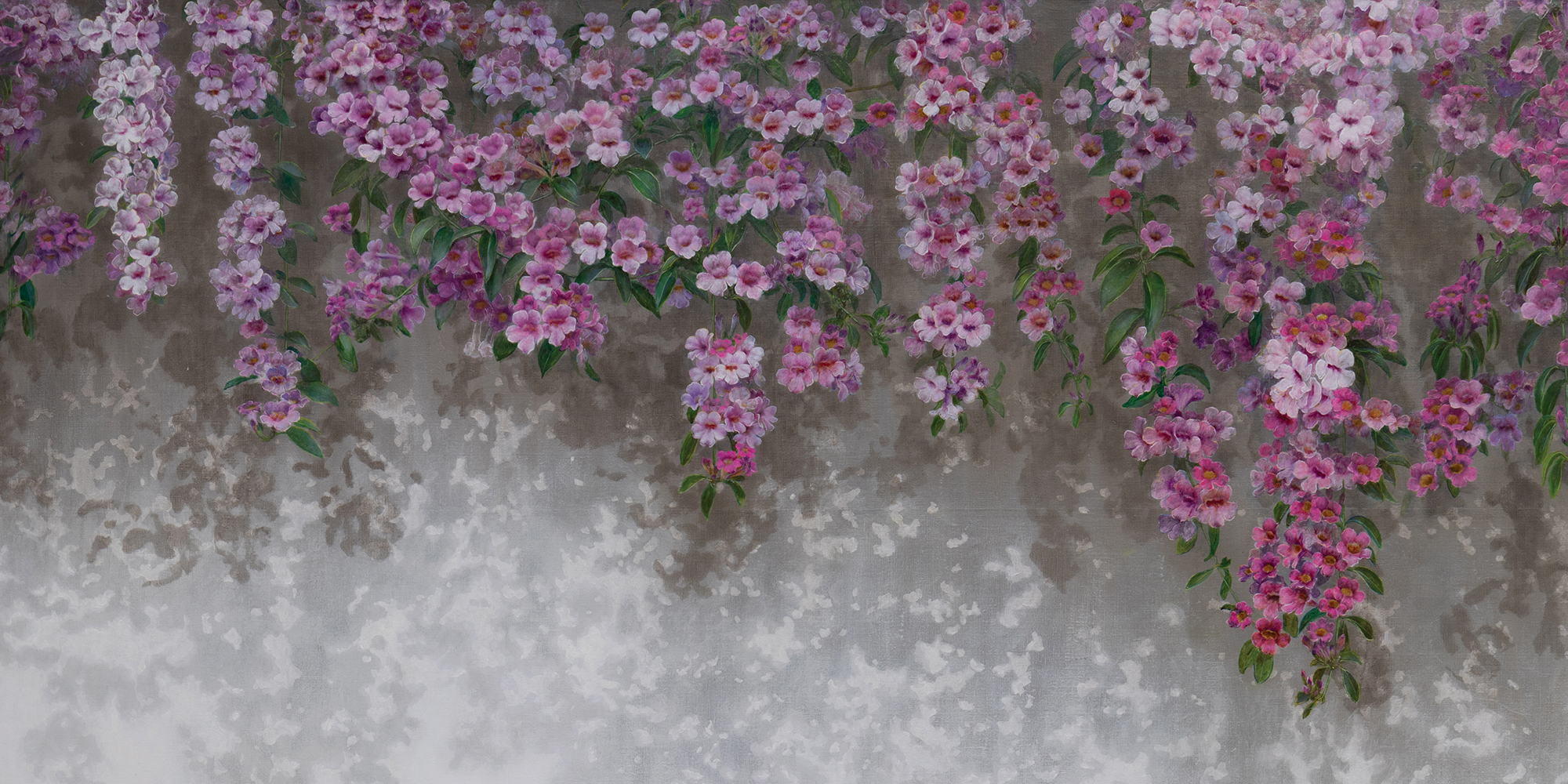
Dancing Between Light and Shadows
Discover how wonders come alive amid Liu Wei Tsen’s masterful brushstrokes


