

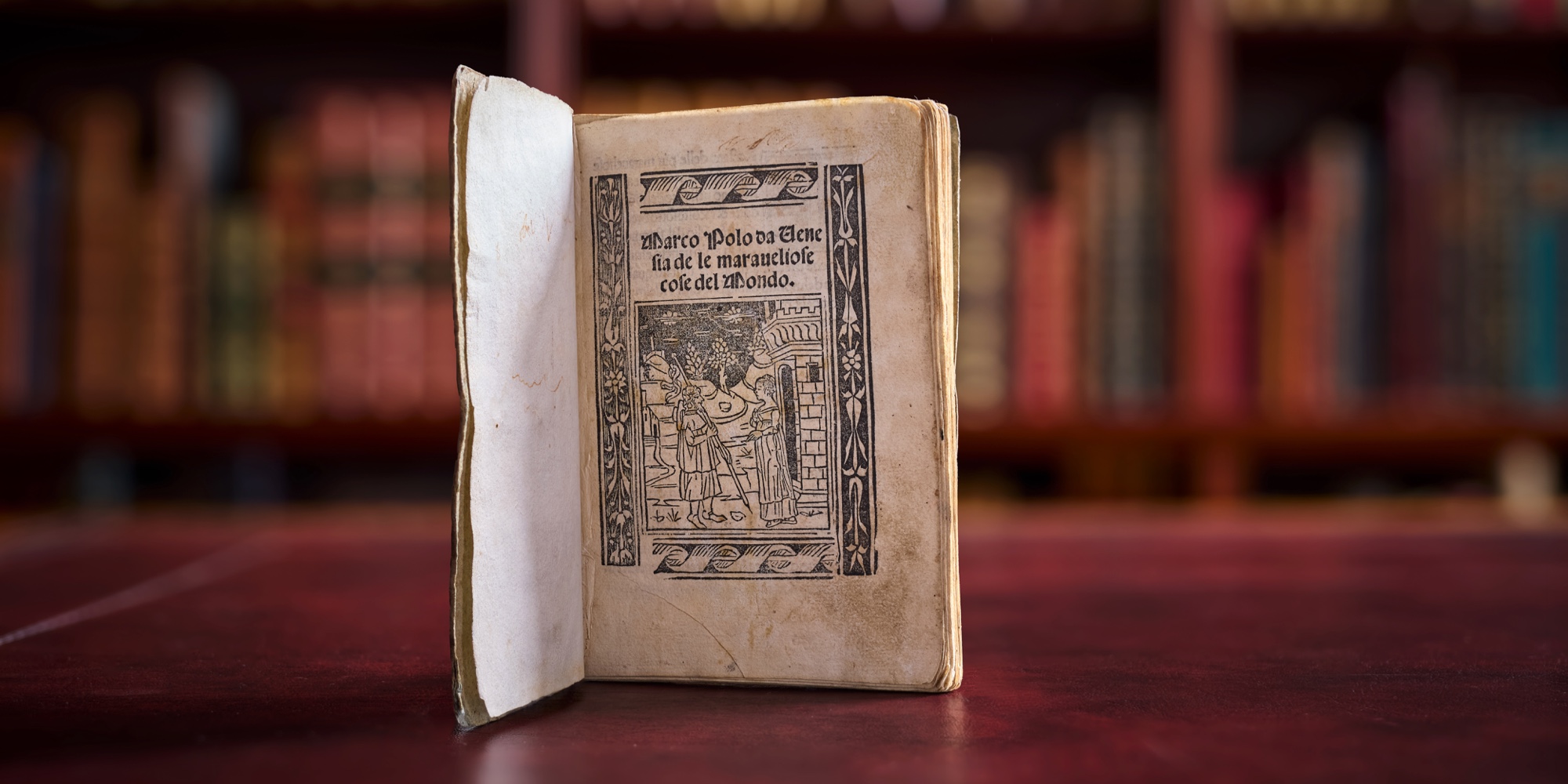
For the global connoisseurs across the art world, the annual convergence at TEFAF Maastricht is a secular liturgy. From March 14–19, 2026, the world’s most discerning collectors will descend upon the Netherlands. At the center of this cultural vortex stands Peter Harrington, the London-based rare book dealer.
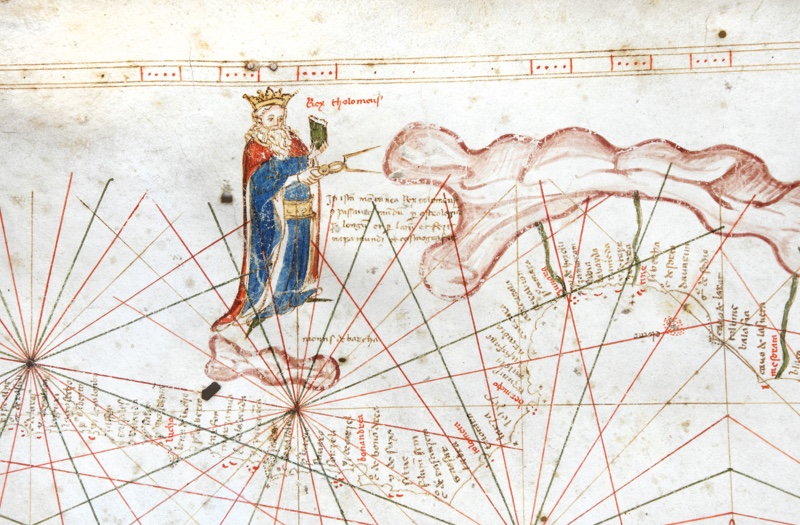
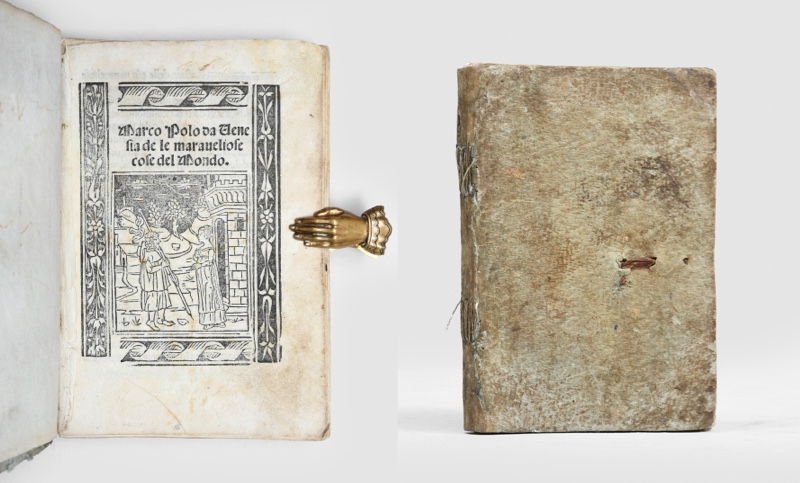
The centerpiece of their booth is De le maraveliose cose del Mondo, an exceptionally rare fifteenth-century Brescia edition of Marco Polo’s travels. It is one of only five known surviving copies and the first complete edition to grace the market in over thirty years.
To the medieval European, Polo’s accounts were the first glimpses into a society that traded not in gold or silver, but in the abstract idea of paper currency. For the provenance-obsessed, the volume carries an added luster: it was a prized possession in the legendary library of the late Pierre Bergé, the French industrialist and aesthete who, when not co-founding Yves Saint Laurent, was busy amassing one of the twentieth century’s most formidable book collections.
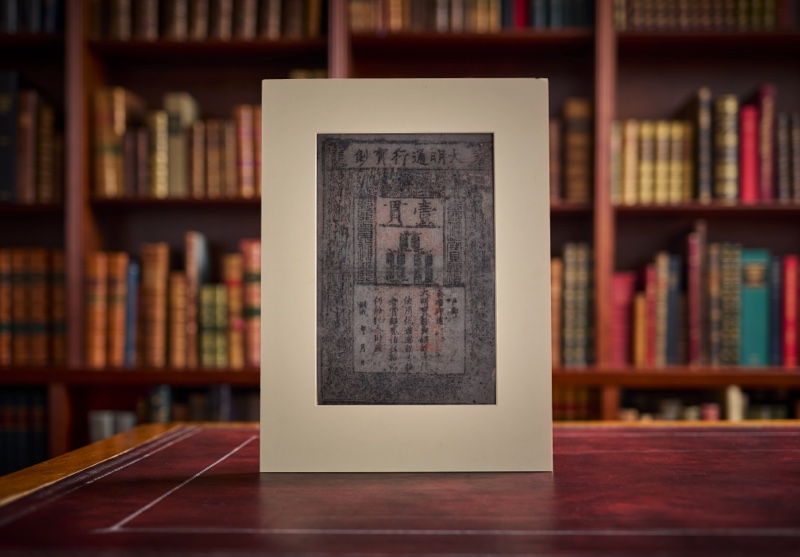
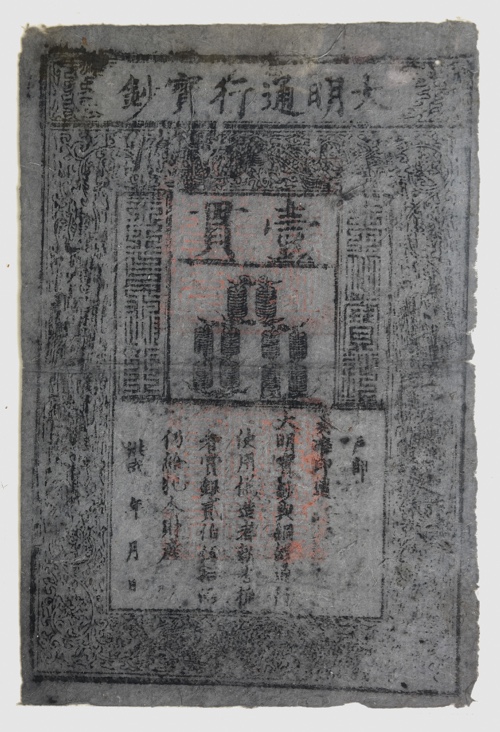
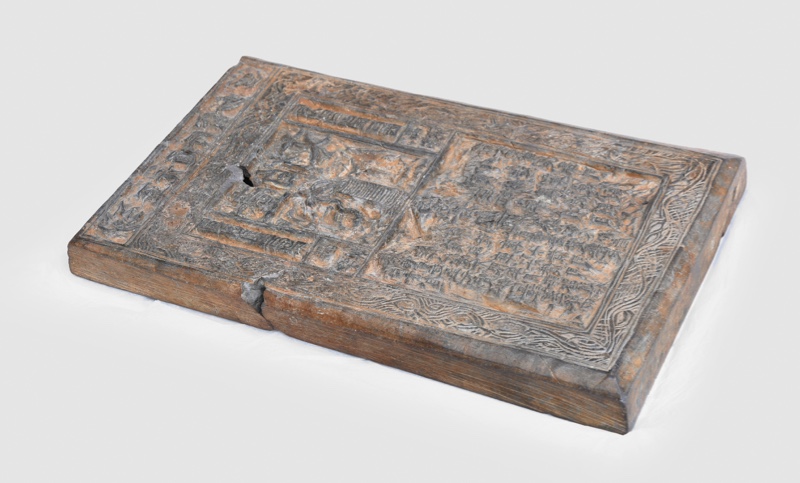
Standing alongside the manuscript are two artifacts that bridge the gap between Polo’s descriptions and historical reality: a fourteenth-century Yuan dynasty (1271–1368) stone printing block once used to print the very paper money that fascinated Polo, and a rare early Ming dynasty (1368–1644) banknote. These items were snatched from the jaws of history by the French sinologist Paul Pelliot during the 1900 Boxer Rebellion in Beijing. According to records from the legendary dealer H. P. Kraus, the banknotes were discovered when European soldiers toppled a statue of Buddha, revealing a hoard of jewels and paper. At the time, the soldiers, perhaps lacking the foresight of a modern hedge fund manager, deemed the paper worthless and handed it to Pelliot as a mere “souvenir.”
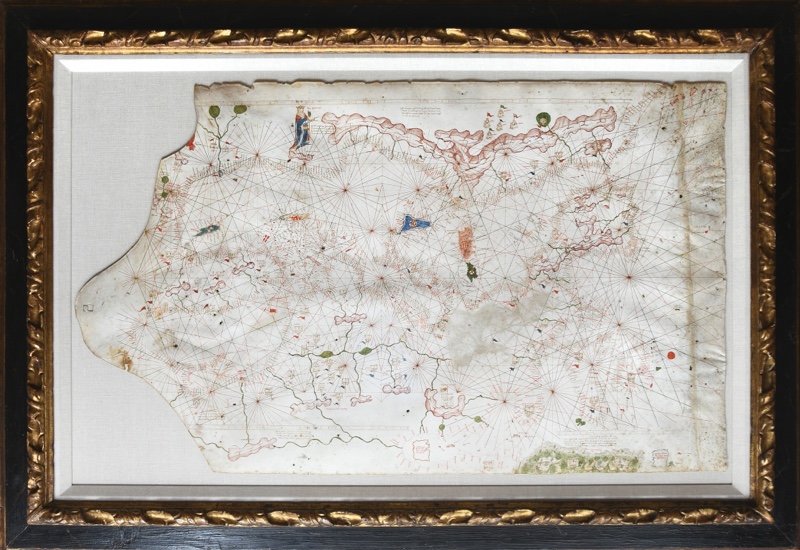
“These materials speak to the ways in which China had developed far in advance of Europe during the medieval period, hence Marco Polo’s fascination with the technology of printed money,” said Dr. Matthew Wills, Asia Specialist at Peter Harrington. “Today, they offer a rare opportunity to step back into that moment. It is no exaggeration to say that Marco Polo’s narrative shaped European understanding of China for hundreds of years.”
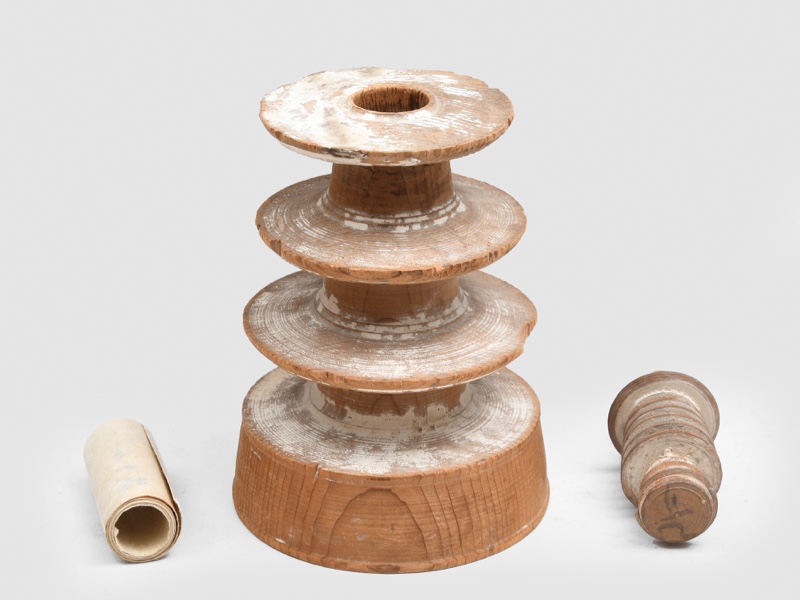
The exhibition broadens its scope to include other tectonic shifts in the history of the ink-stained page. Highlights include an eighth-century Japanese One Million Pagodas print, one of the world’s earliest surviving examples of printing; and original color-printed plates from William Blake’s Songs of Experience, where the poet’s mystical visions are rendered with a vibrancy that remains startlingly modern.
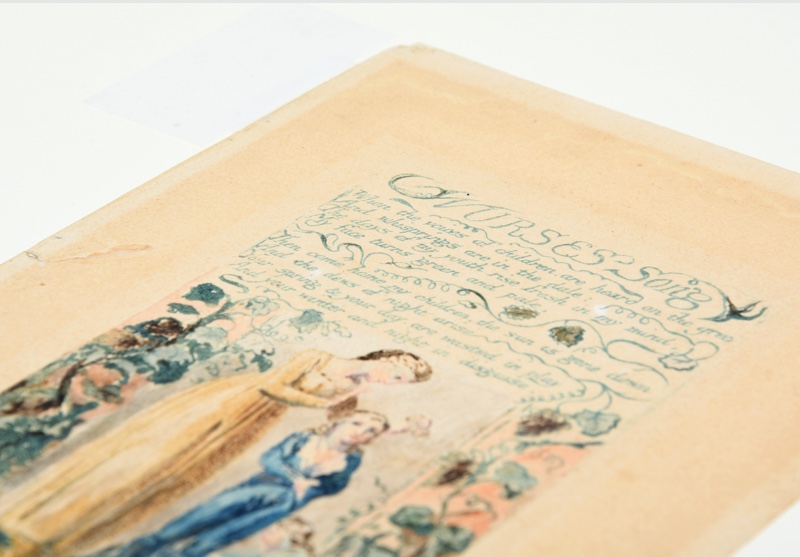
For the TEFAF attendee, it is an opportunity to own the very paper, and the very ideas, that helped shape the world as we know it.



Alchemy of Mineral Pigments: A Whispered Ode to Nature’s Eternity
Liu Linglie’s brushstrokes reveal a symphony of light and shadows as the poet’s soul takes flight
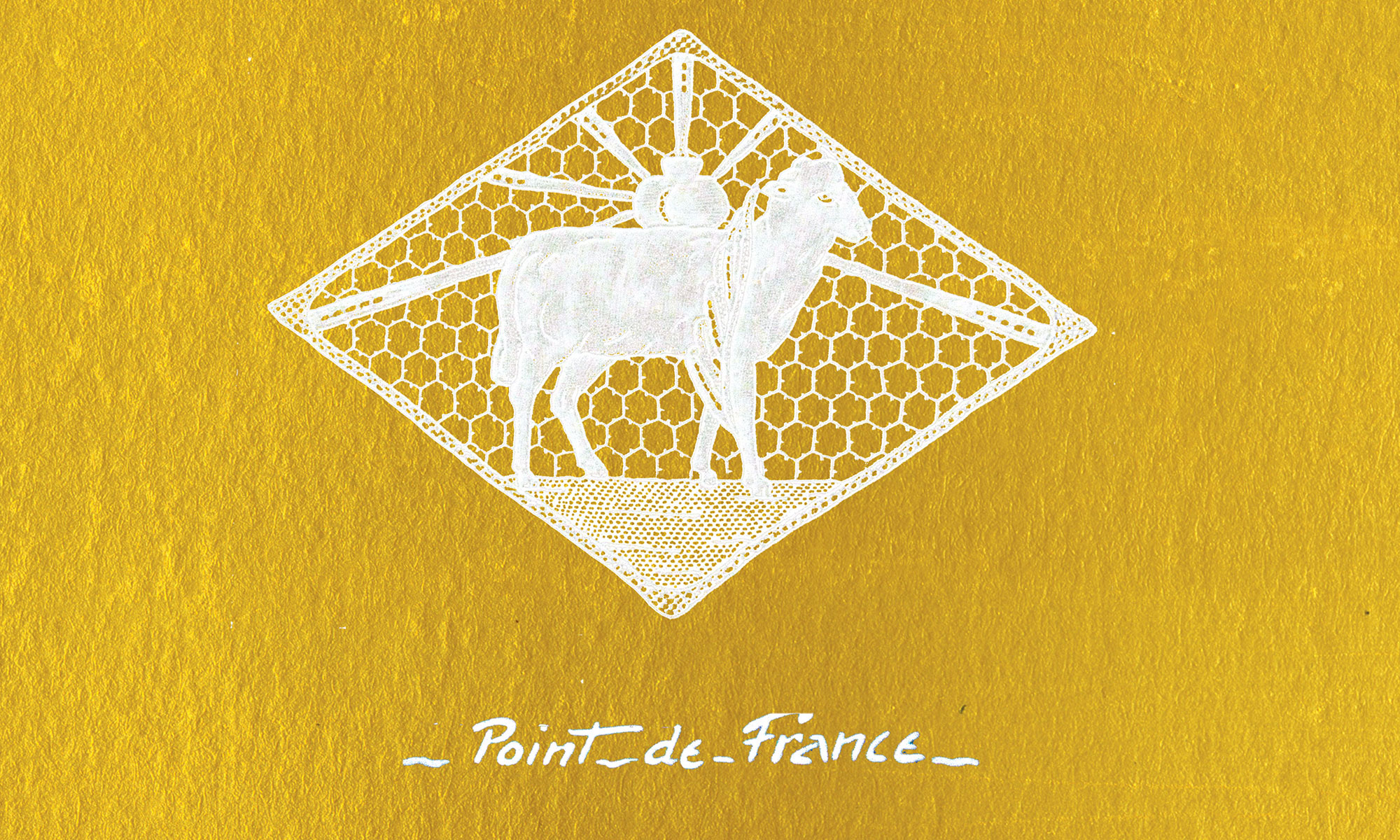
Discover the Sacred Lacemaking of France
A secluded cloister of French nuns continues the beautiful tradition of French lacemaking.

Must-See Haute Couture Collections at Palais Galliera Museum
Don’t miss collections that feature pieces from The Duchess of Windsor, Princess Grace of Monaco and Baroness Rothschild.

