
Walk through the ancient goldsmithing hubs of Gondomar or Póvoa de Lanhoso, and you will see a lineage of craftsmanship that has remained remarkably unchanged since the arrival of the Phoenicians. It is the intricate geometry of traditional Portuguese filigree, where master artisans transform raw 19.2-karat gold into pairs of threads so micro-fine they resemble strands of hair.
While the rest of the Mediterranean became known for heavy, cast-gold ornaments, Portugal perfected an architectural approach to jewelry, one where the pattern is not stamped, but meticulously woven, twisted, and interlaced into delicate structural motifs.
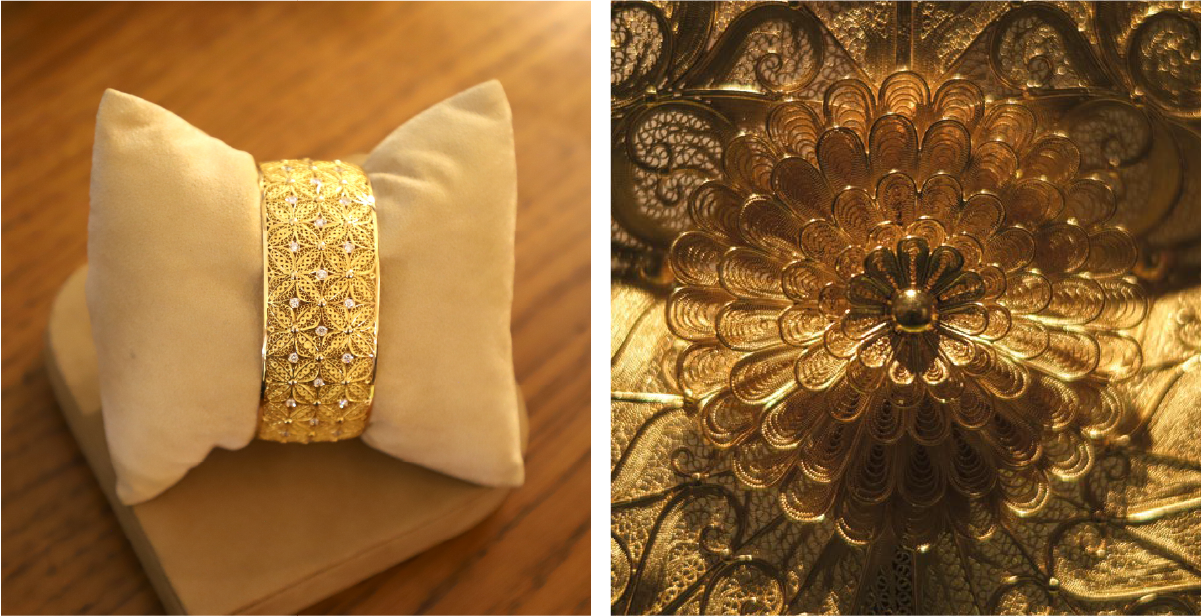
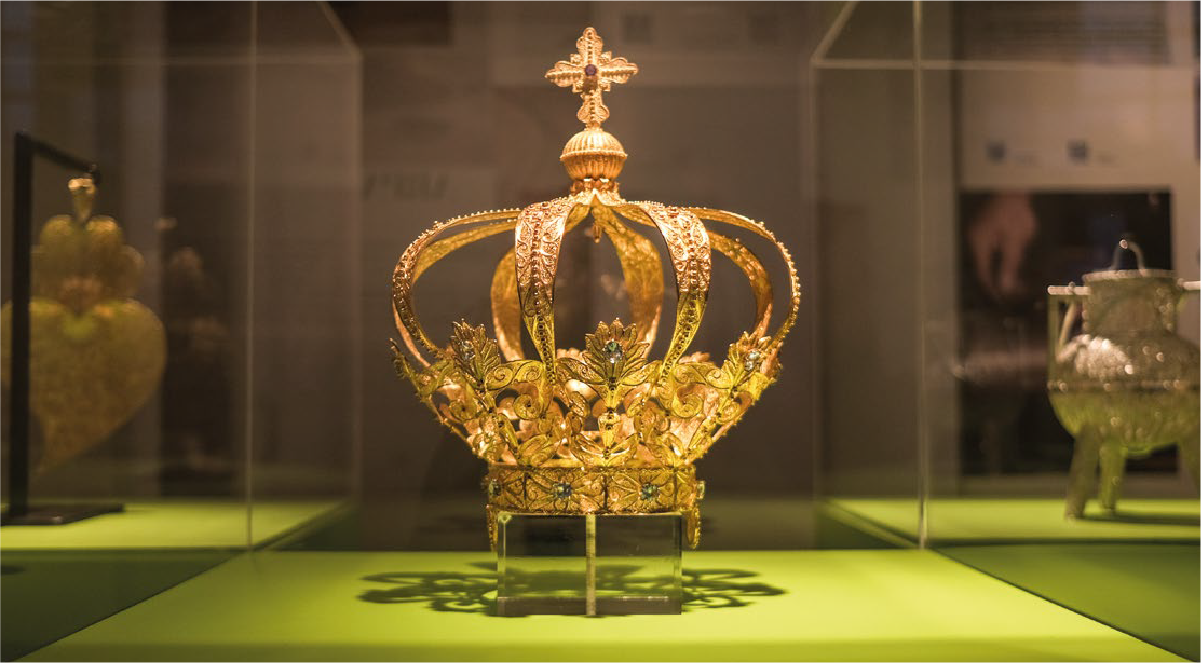
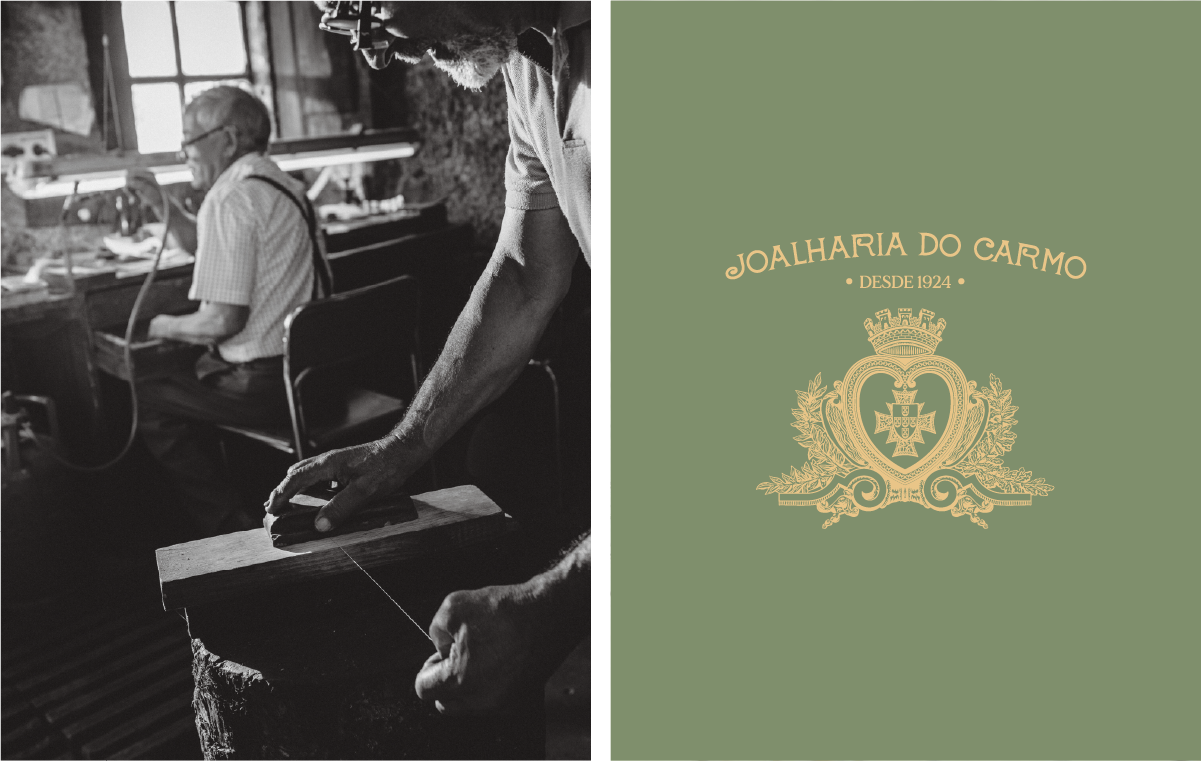
Unlike modern industrial production, where lightness is achieved through mechanized stripping, this pre-industrial weightlessness relies entirely on the steady, rhythmic pressure of a human hand. Master artisans begin with a substantial bar of high-purity gold, iteratively drawing it through progressively smaller dies. These twin strands are then twisted together to create a serrated ridge that catches and refracts the light in a manner distinct from flat wire. Using nothing but a pair of basic tweezers and an exceptional degree of muscle memory passed down through generations, the artisan shapes these threads into internal motifs, curling them tightly into a sturdier outer frame until the metal behaves like embroidery.
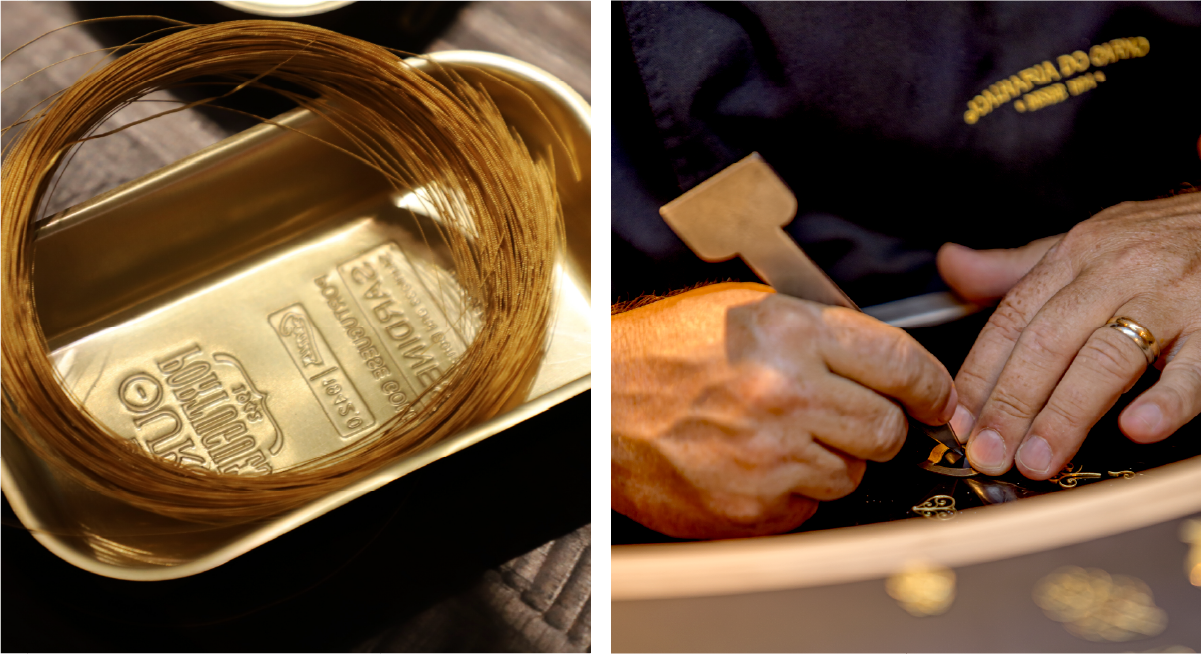
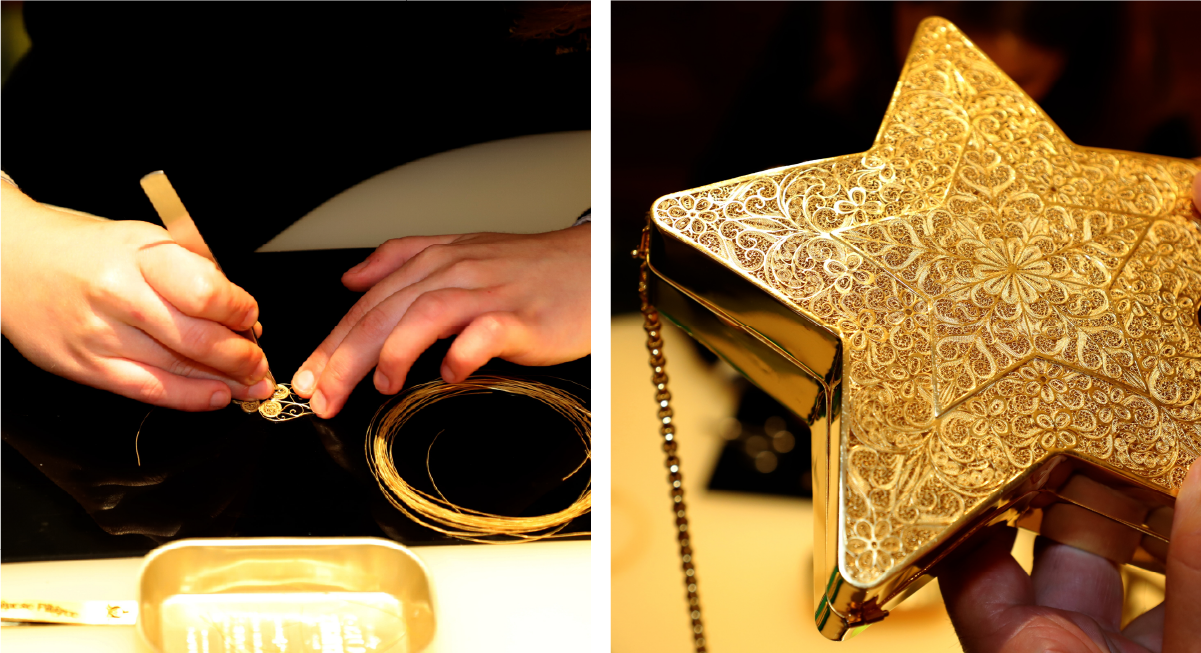
Yet, an art form that demands weeks of meditative attention sits precariously in a world optimized for instant, mechanical automation. Across Portugal, the number of master practitioners capable of executing the highest tier of traditional filigree has been in a generational decline, threatened by cheap, machine-stamped imitations. Because this ancient technique relies entirely on the transmission of tacit knowledge from master to apprentice, the closing of a single family workshop can mean the permanent extinction of a centuries-old visual lexicon.
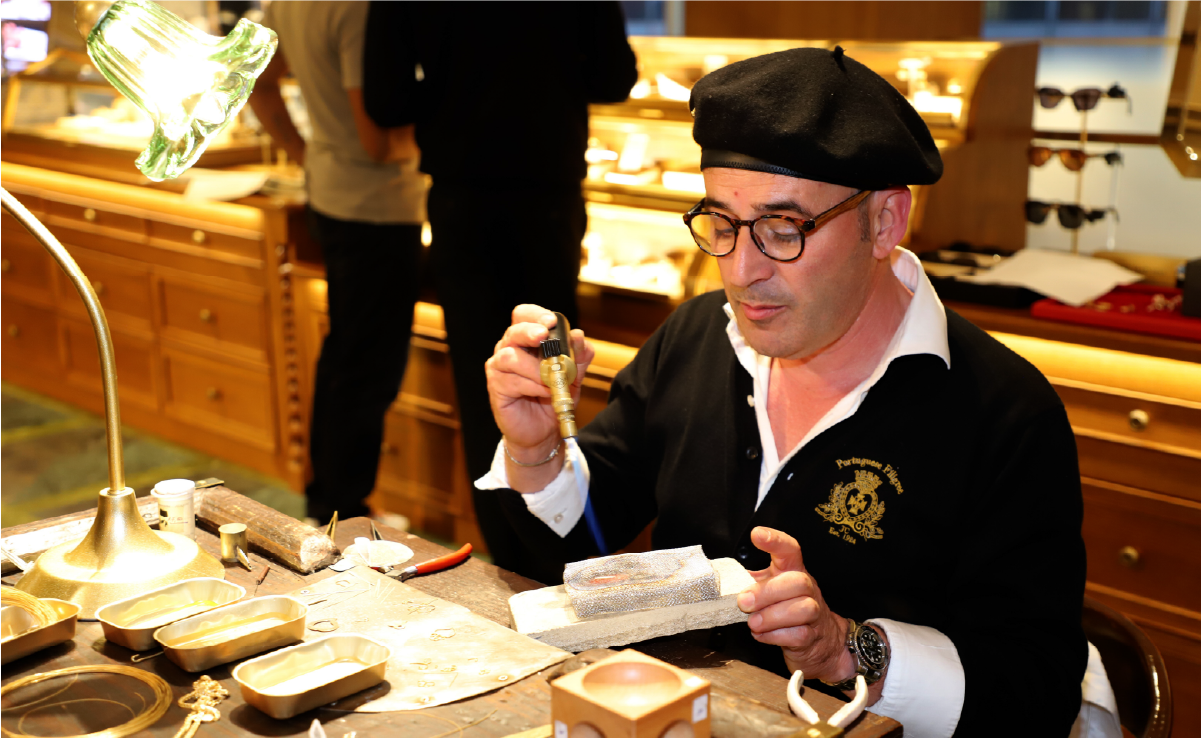
Refusing to let this lineage fade into a historical footnote, The Value of Time group, a Portuguese heritage collective, has launched a campaign to elevate filigree from a local keepsake into a coveted art of high jewelry. By subjecting each piece of Certified Portuguese Filigree to a strict verification process, the initiative establishes a transparent chain of custody that safeguards the integrity of this demanding, ancient technique.
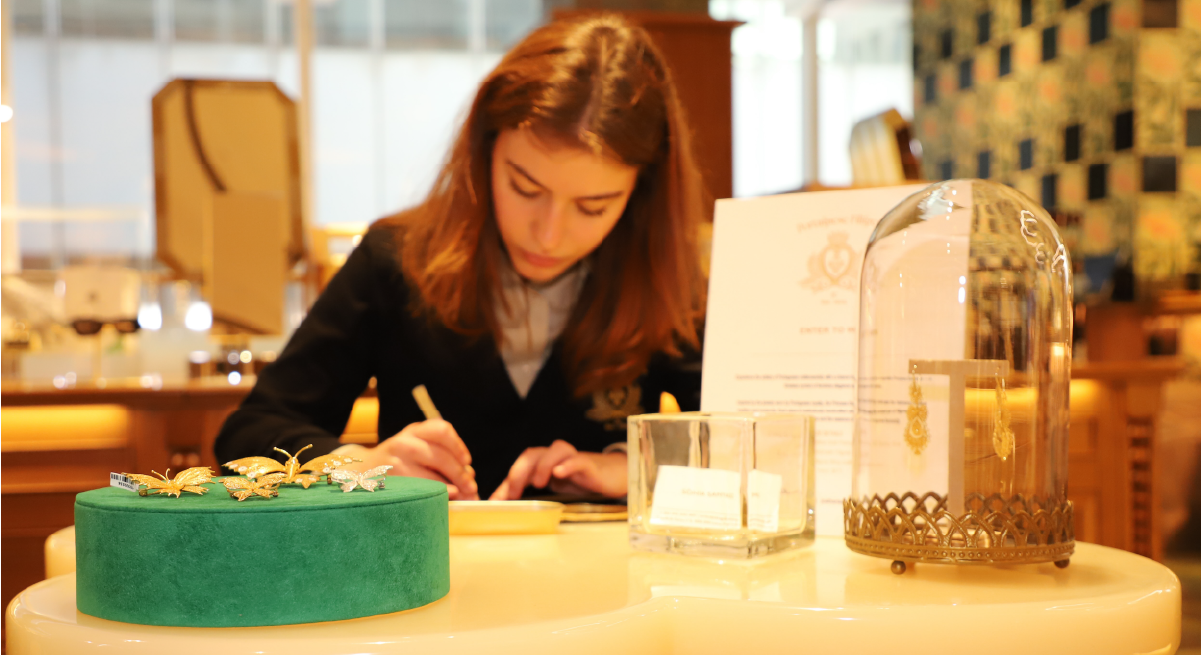
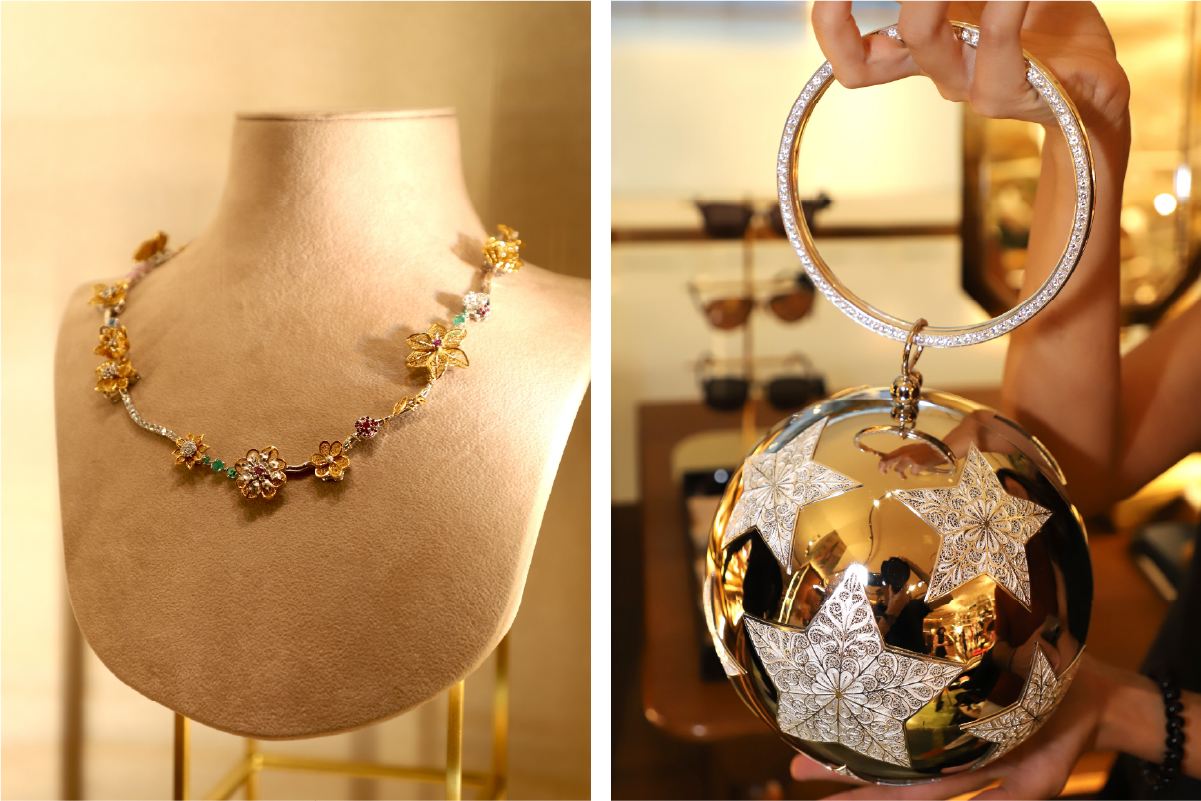
“Certified Portuguese Filigree is one of Portugal’s most extraordinary art forms, but it has never had the international visibility its beauty, complexity, and uniqueness deserve,” says António Quaresma, the founder of The Value of Time group. “We believe this is the right moment to bring it to the world.”
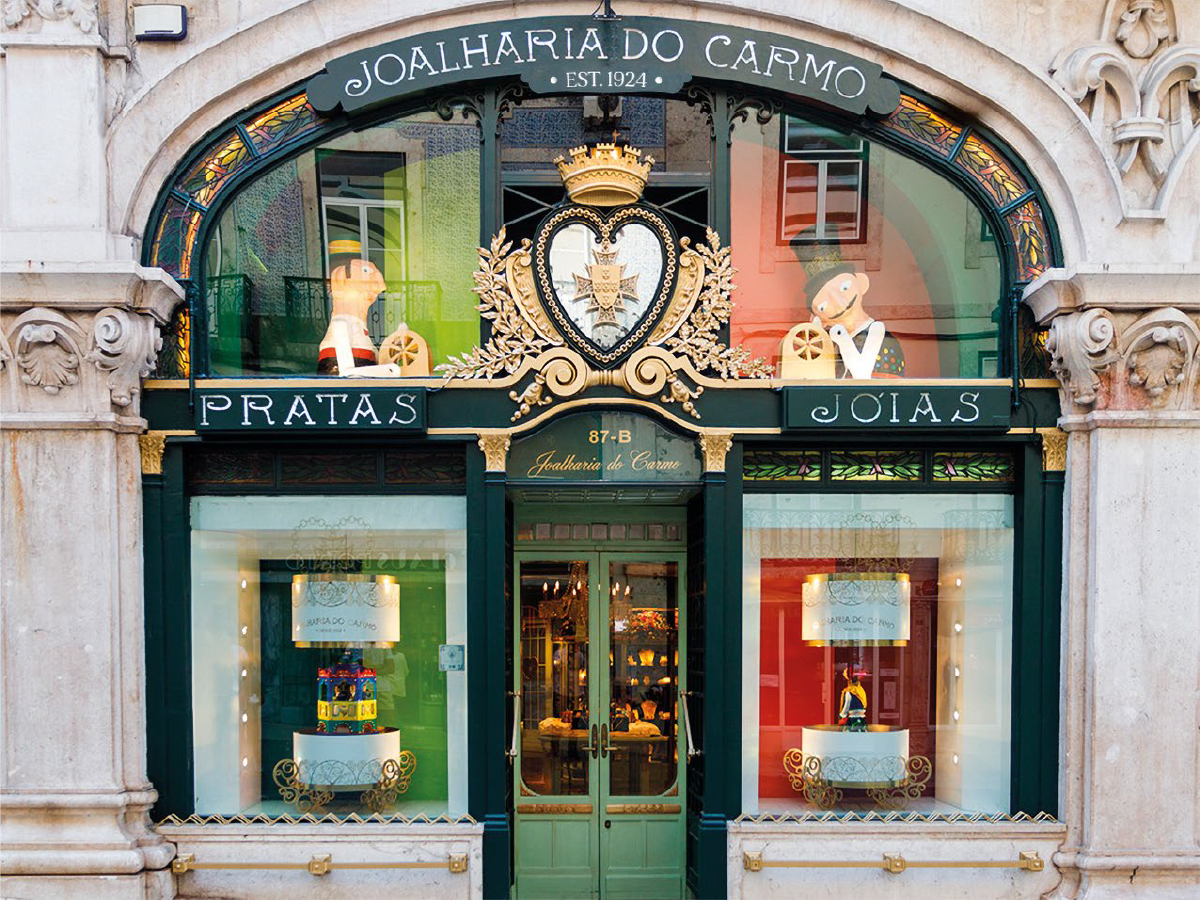
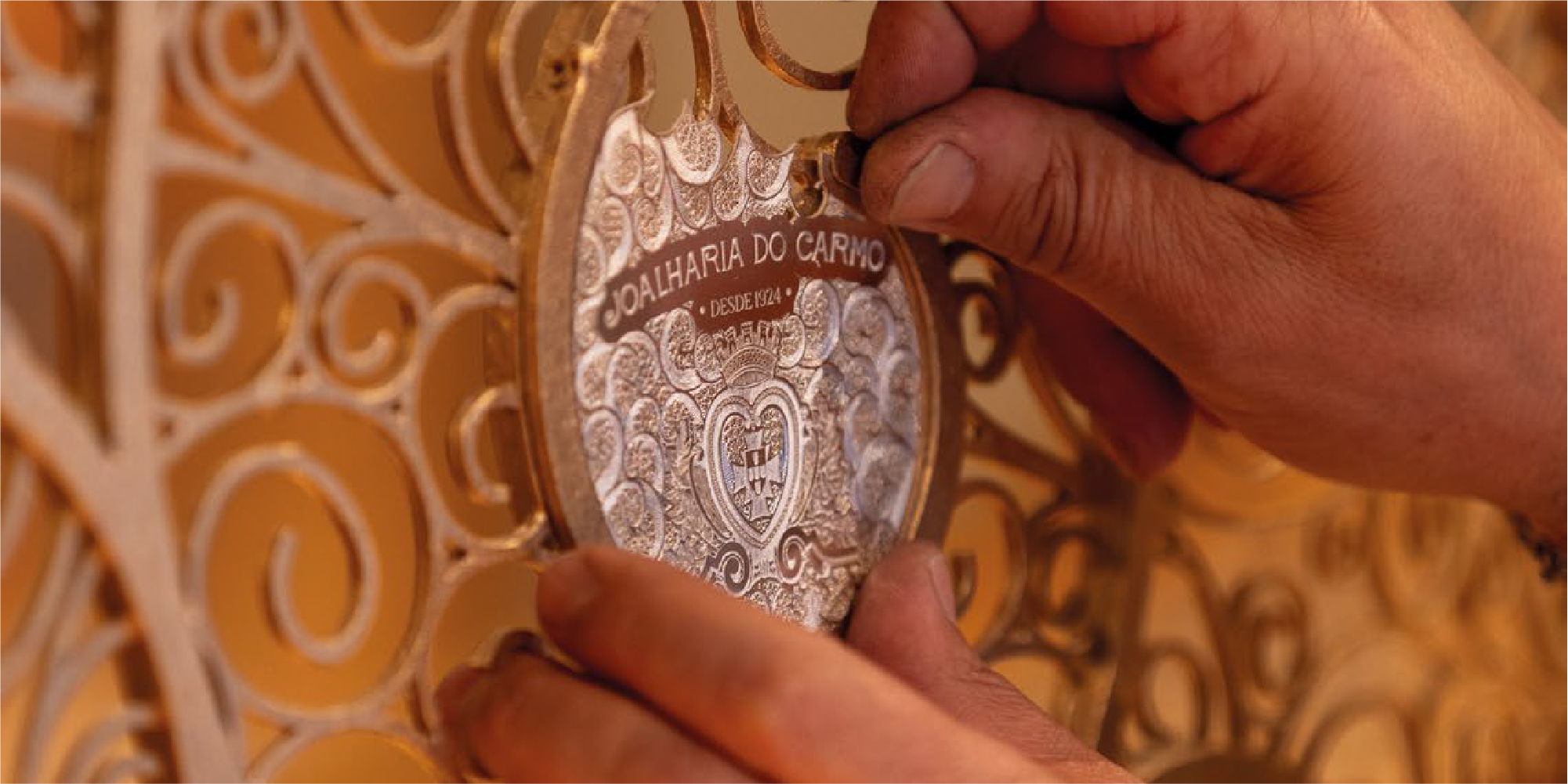
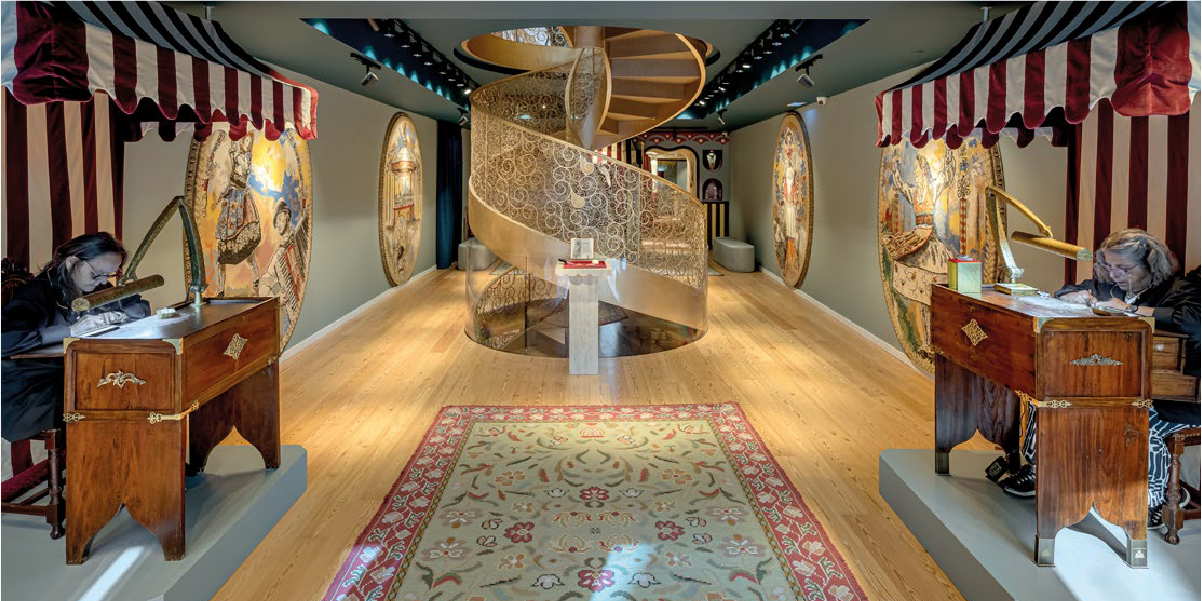
Following its debut at Printemps New York, the group has opened a permanent boutique within the historic stone arches of Paris’s Carrousel du Louvre. Showcasing the archival treasures of the Portuguese jewelry house Joalharia do Carmo, the space nestles Portuguese filigree directly beneath one of the world’s most iconic cultural landmarks. In doing so, every sale directly supports the craft’s preservation in Portugal, funding master-apprentice training programs and modernized certification standards. By anchoring these delicate gold threads in a modern framework of certification and international retail, the project allows today’s collector to participate in a centuries-old dialogue of beauty.