


A decade ago, the Canadian Opera Company (COC) wasn’t even in the conversation of best opera houses in the world, but one ambitious, passionate man is changing that — quickly.
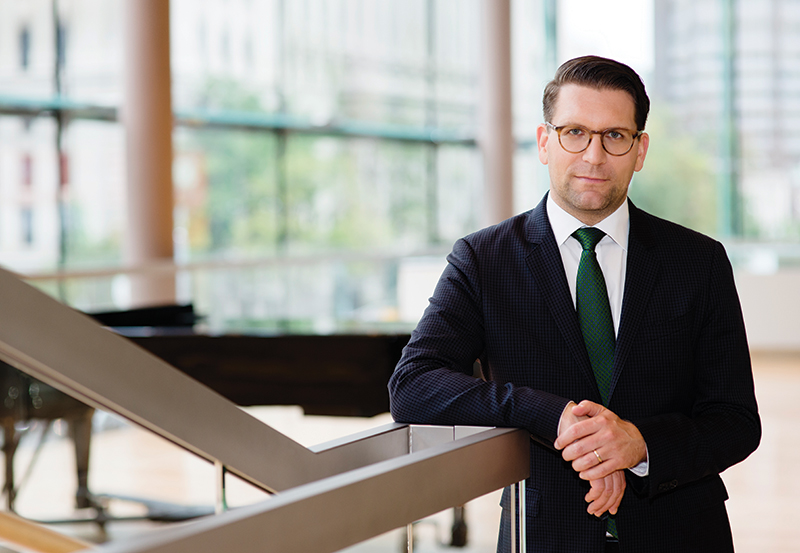
“What we have been trying to do here, for 10 years now, is to make the COC a destination for great artists,” says Alexander Neef, who helmed the company as its general director from 2008 to 2021. “And I think it’s working very well, because there has been no singer who has been here for the first time who doesn’t want to come back. We have more and more people who want to do their own debuts. It’s becoming an important company.”
The stylish and elegant yet personal Four Seasons Centre for the Performing Arts, which opened two years prior to Neef’s arrival in Toronto, was the bait that lured the 34-year old casting director from the Paris Opera House. Neef saw tremendous opportunity not only for himself but for the company and city, his very vision and energy that the COC grabbed onto when hiring him.
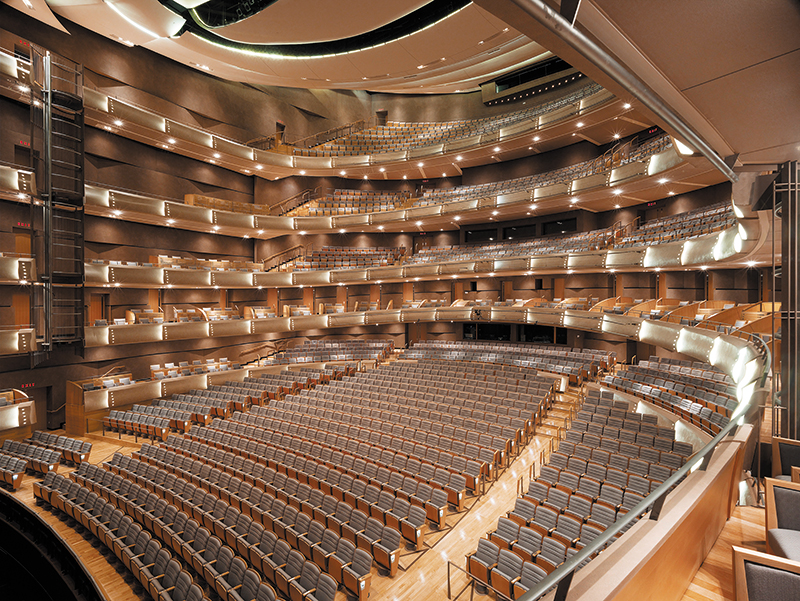
“What I felt coming here is that I’ve been given a very good instrument to play on,” Neef says, who’s already filled the centre with top international singers, as well as patrons. “I think this is the best opera house in North America, in terms of the intimacy of the opera experience,” he says. Compare the Four Season Centre’s 2000 seats with theatres in Chicago and San Francisco’s that occupy 3500, and there’s no comparison.
“What’s so wonderful about it is that wherever you sit, the sound comes to you, and the sound surrounds you,” he says.
Gifted
“People say that opera is the climax of the arts, because you have to bring so many art forms together to do opera,” says Neef. “It’s not only music, but also visual arts, theatre. I think that’s what makes it more accessible, because you can come to opera through different directions, through different doors.”
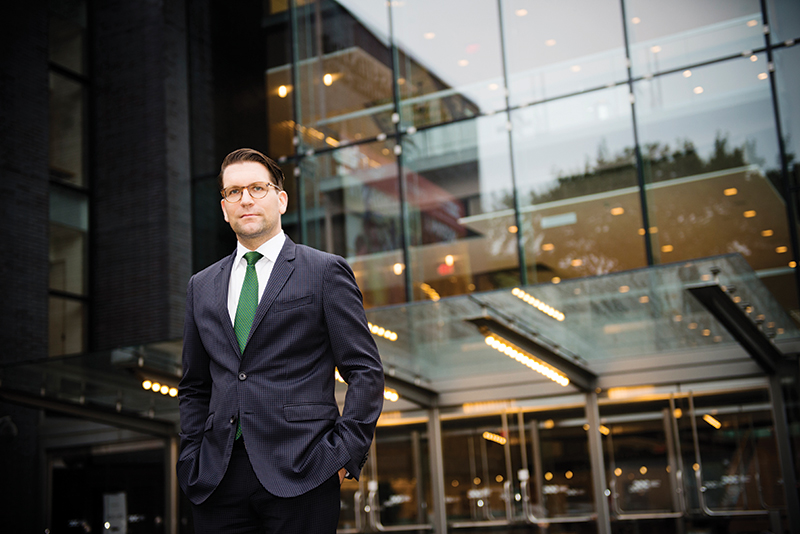
Neef’s fascination with opera began at a young age, listening on the radio in his small hometown, outside Stuttgart, Germany. Enamored by the human voice, he saw Fidelio — his first opera — at age 13, a memory that will never leave him, and that also sparked an unrelenting fervor.
With easy access to many opera houses in Germany, Neef attended as often as possible. His admiration for classical culture paid off unexpectedly one day as he met a man equally passionate about opera who would inspire him to become the man he is today.
“I think Gerard Mortier was one of the most important opera leaders in the 20th century,” says Neef of his mentor, who hired him as an opera administrator at the Salzburg Festival.
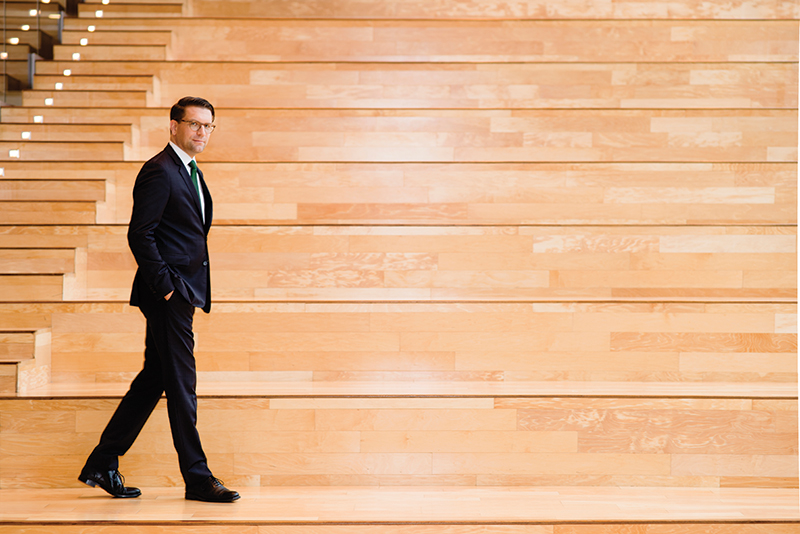
“What was so incredible about him was that he really loved the art form,” says Neef of the opera visionary whose students have become today’s great directors, of which Neef is one. “Sometimes you have people running opera companies that really act like politicians, with some kind of power. But he really loved opera, and he believed that it was important, that it could make a difference for people to see an opera.”
Mortier’s approach was music to Neef’s ears (and heart), a legacy he continues today. Though Neef has never aspired to sing himself — “You have to know your place,” he says — his respect for their talent resonates deeply throughout the centre, a quality that may very well explain his ability to attract the world’s best. This autumn alone, the COC featured leading sopranos such as Jane Archibald, Sondra Radvanosvky, Elsa van den Heever, and Alice Coote.
“I have a lot of admiration for singers because they make a difficult life choice,” says Neef. “It influences everything you do. You have to be careful about what you eat, what you do the night before and the day of the opera. It’s a very big commitment that they make for themselves, but also for the audience, because, essentially, you decide to be someone who gives to the audience. And I find that fascinating that people make that choice still in the 21st century, that people make that choice to be orchestra musicians, stage technicians, or an opera singer, to give that gift to an audience.”
Blossoming
“I think in many ways, there’s more opera now in the world than has ever been,” says Neef, noting its exponential growth in North America over the last 50 years, with the art even expanding to places, like China, where you couldn’t find it in the past.
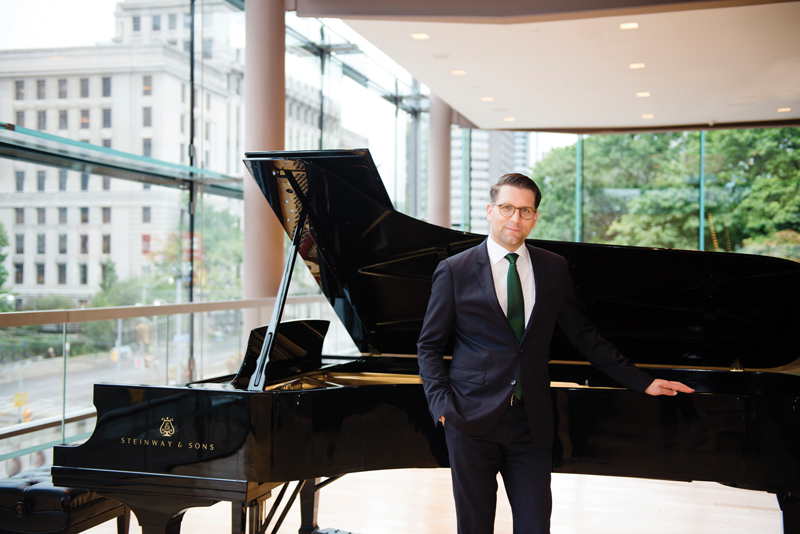
Technology has had a hand in the art form’s expansion, making it more accessible with live streaming, YouTube and social media. Despite these positive trends, there are still hurdles, which the consummate positive thinker sees as opportunities. “Our biggest challenge is to reach out to a more diverse population, a younger population and give them a taste of it,” Neef says. “For me, that’s probably the most fascinating part about my work here, that I can be an ambassador for opera.”
Neef’s contagious passion for opera follows him everywhere he goes, even into a cab, he says. He loves sparking a conversation with someone, like a taxi driver, who’s never experienced the raw, soulful beauty of opera. But with Neef’s boundless sincerity and enthusiasm of his beloved art, he can turn anyone into an eager new patron, regardless of their background.
“It’s fascinating to me that opera is so powerful, that it goes beyond those lines of culture and ethnic origin,” he says.
Transcendental
While COC does include some contemporary works in their repertoire, they mainly perform 19th-century operas, which continue to move people today as much as they did a century or two ago. What’s most essential, he believes, is to create an operatic experience that gets people contemplating about their own lives — the struggles, the solutions, and the journey in between. It’s a unique art, one that transcends all the barriers that we think we have. But, in truth, we’re much more similar than different, then, now, here and across the globe.
“If you look at the Greek tragedies, it’s all about the big questions,” he says. “It’s about love, war and murder, things that are important to society. Opera is not about day-to-day politics — it’s about the big themes and questions in life.”




Wholesome Walnut Dessert
The ancient walnut is valued in Traditional Chinese Medicine as a “long-life nut”

Healing Travel
From meditation to holistic spas, enhance your well-being at these six wellness treatment destinations.

The French-Indian Connection
Jean-François Lesage reunites two cultures with one art form that redefines what decorative art means.

