

For years, Finland has occupied a specific, slightly enviable corner of the global imagination. It is the country that routinely tops the World Happiness Report, a place of stoic well-being, pristine birch forests, and a seemingly unflappable social safety net. Yet, for all its exemplary self-possession, its culture has remained a curiously well-kept secret, particularly at the dinner table.

While travelers chase umami across Japan, peel back the layers of Italian regionalism, or trek northward for the pickled-herring-and-foraged-berry circuit of its Scandinavian neighbors, Finnish cuisine has remained almost a private matter conducted in saunas, summer cottages, and deep forests, far from the global gaze.
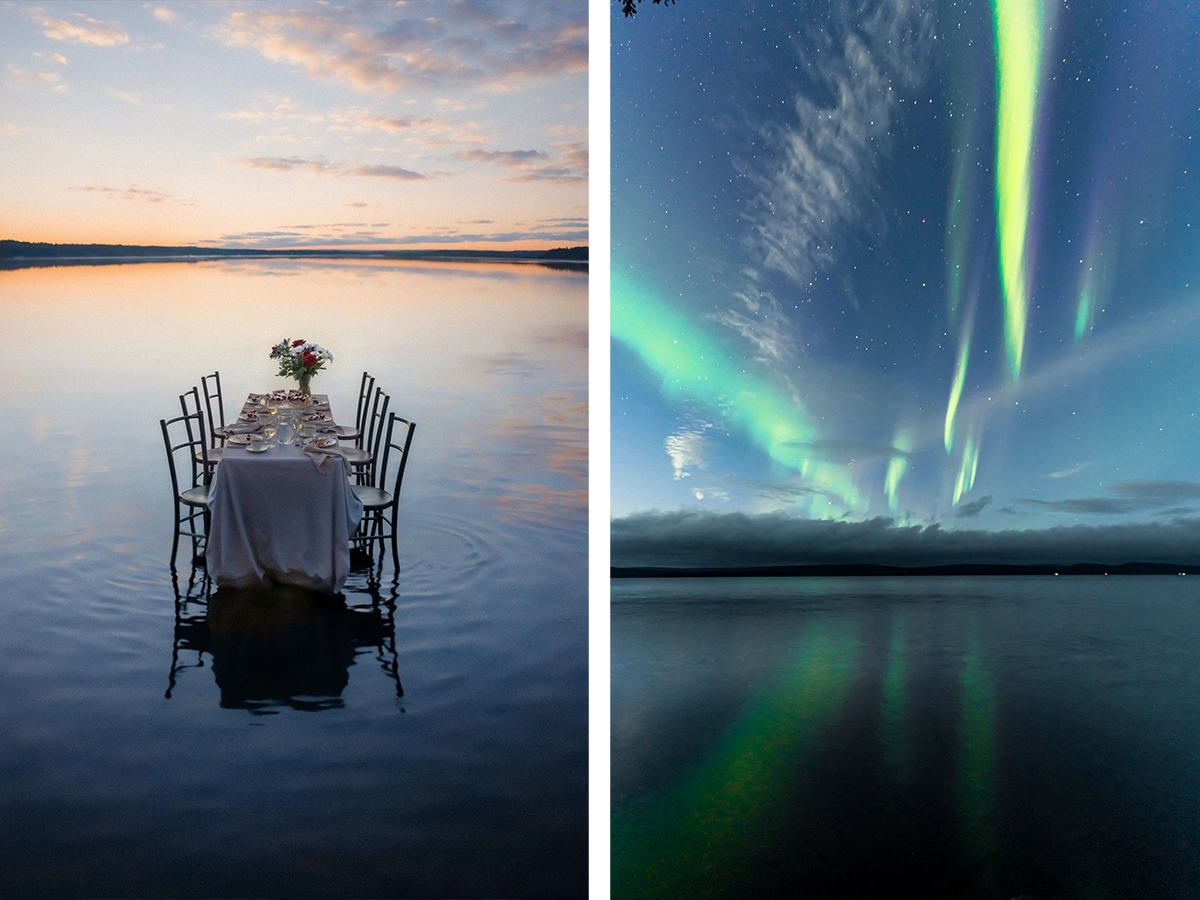
That is about to change, if only for a fortunate few. This September, Business Finland will present what it calls the country’s first Official Tasting Table: an invitation extended to just 16 international guests, who will taste their way through two carefully orchestrated culinary immersions: one in the Coast & Archipelago region, the other in Lapland. For a country that has long preferred to keep its gastronomic culture quietly to itself, the gesture feels a measured effort to thrust Finnish gastronomy into a global spotlight it has spent decades avoiding.
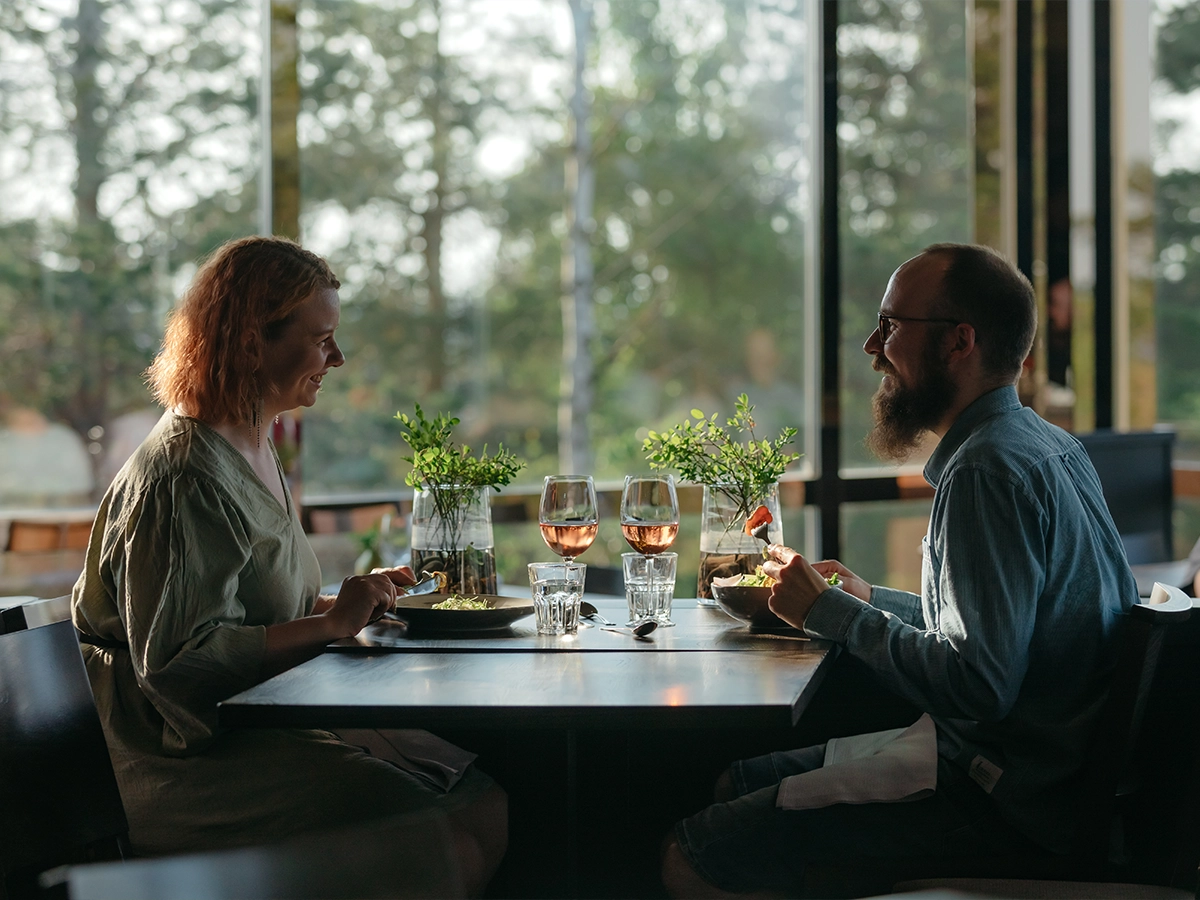
The premise is straightforward yet telling. Applicants from around the world may submit themselves for consideration, with the chosen diners granted access to meals crafted by chefs who understand that, in Finland, the landscape is not merely backdrop but ingredient.
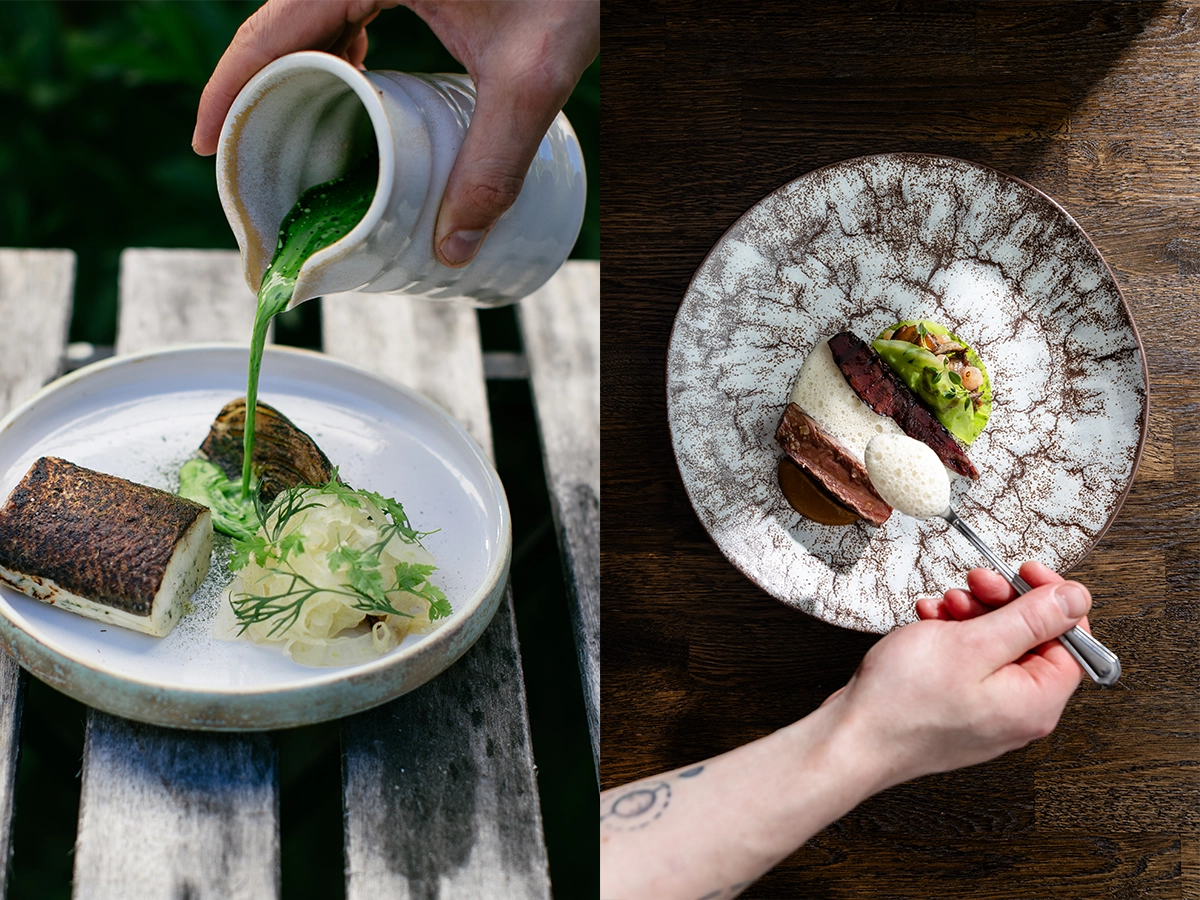
Here, food has never been about flamboyance or conquest of the palate. It has always been about fidelity to place: to the sharp resin of spruce, the mineral chill of the Baltic, the brief, explosive sweetness of cloudberries, and the deep, iron-rich taste of game that has run through ancient woods.
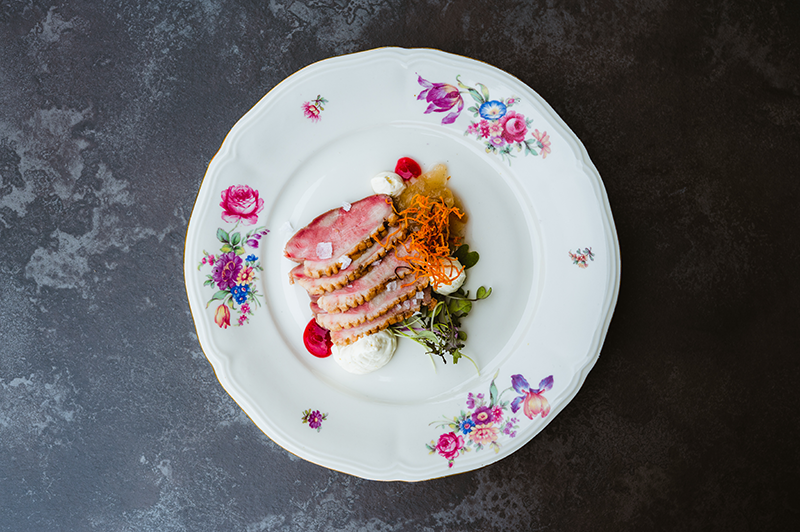
Heli Jimenez, Senior Director of International Marketing at Business Finland, frames it with characteristic understatement. “Italian, Chinese, even the other Nordic food cultures are already part of the global conversation,” she says, “while Finnish cuisine remains unknown. Finland is your chance to discover the final great secret of the world’s culinary cultures.”
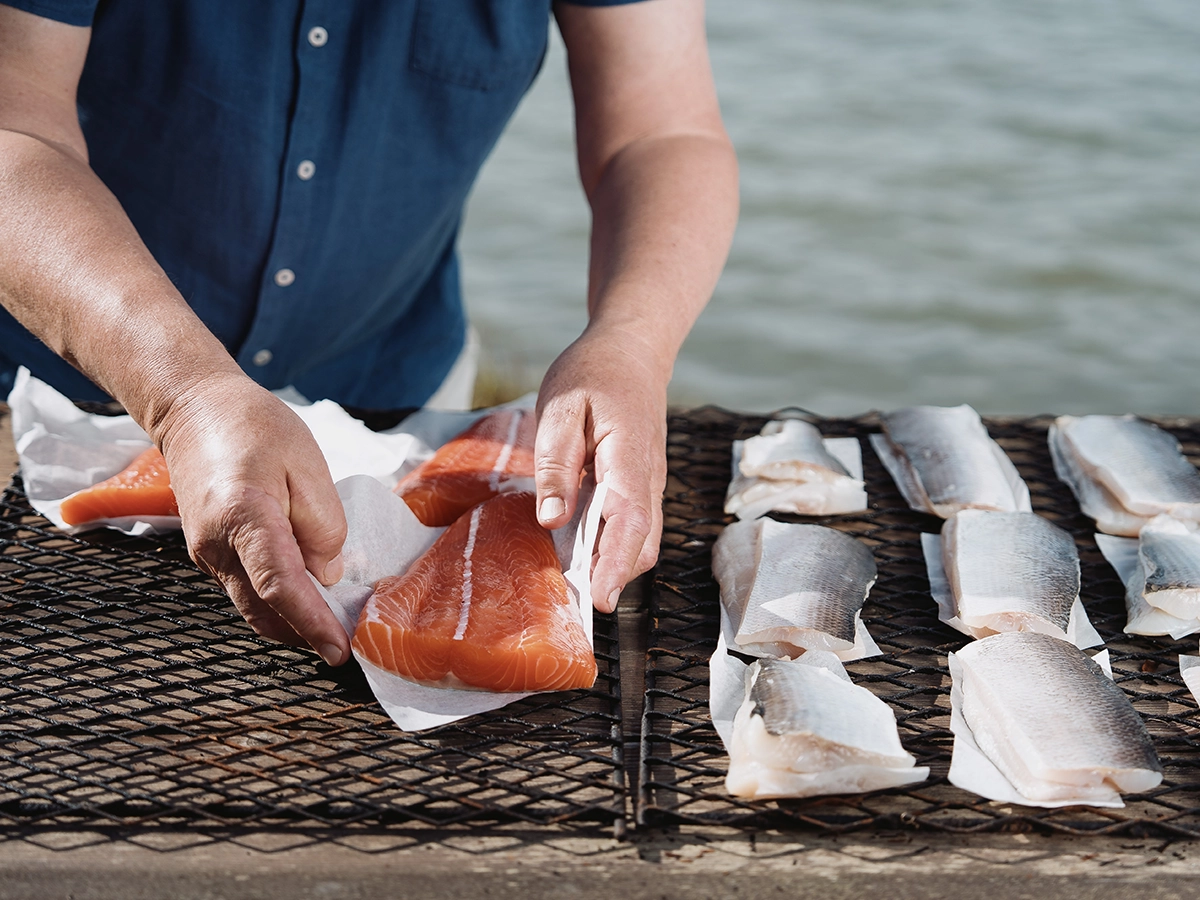
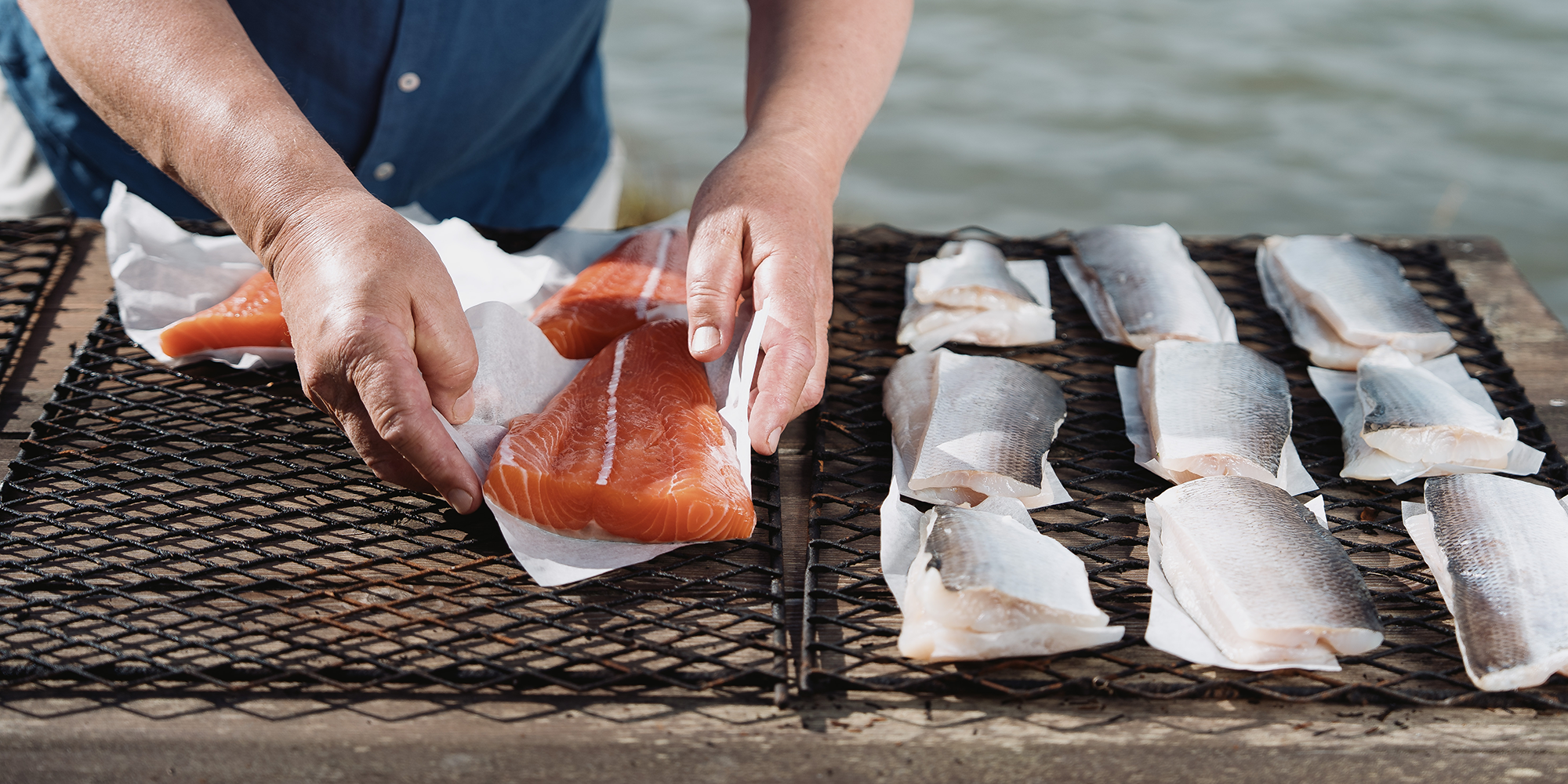
In the Coast & Archipelago, the Michelin-starred chef Erik Mansikka will compose a menu that listens closely to the Baltic shoreline, its fields of rye and barley bending in the wind, its icy waters yielding perch and whitefish, its rocky inlets sheltering herbs that taste faintly of the sea. Mansikka’s work has always been grounded in a kind of rigorous restraint; he seeks not to embellish but to clarify, allowing ingredients their native dignity.
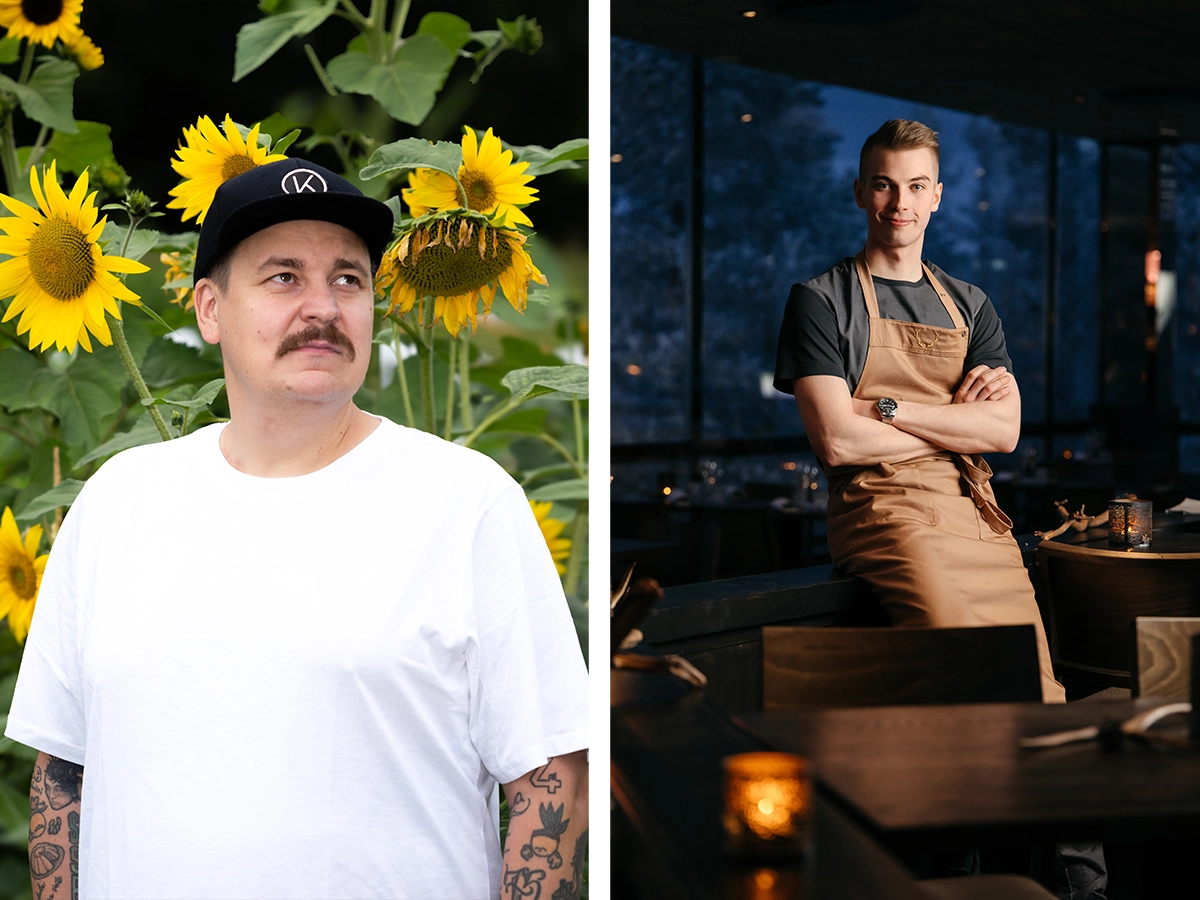
Farther north, in Lapland, the younger chef Joel Manninen, widely regarded as one of the most promising voices in Finnish gastronomy, will offer a more contemporary rendering of the Arctic table. Here the season is shorter, the light more dramatic, the ingredients harder-won: reindeer, Arctic char, root vegetables that have survived frost, and the wild herbs and berries that appear like small miracles in the brief northern summer. Manninen’s approach carries the subtle imprint of a generation that has grown up both reverent of tradition and unafraid to let the outside world brush against it.
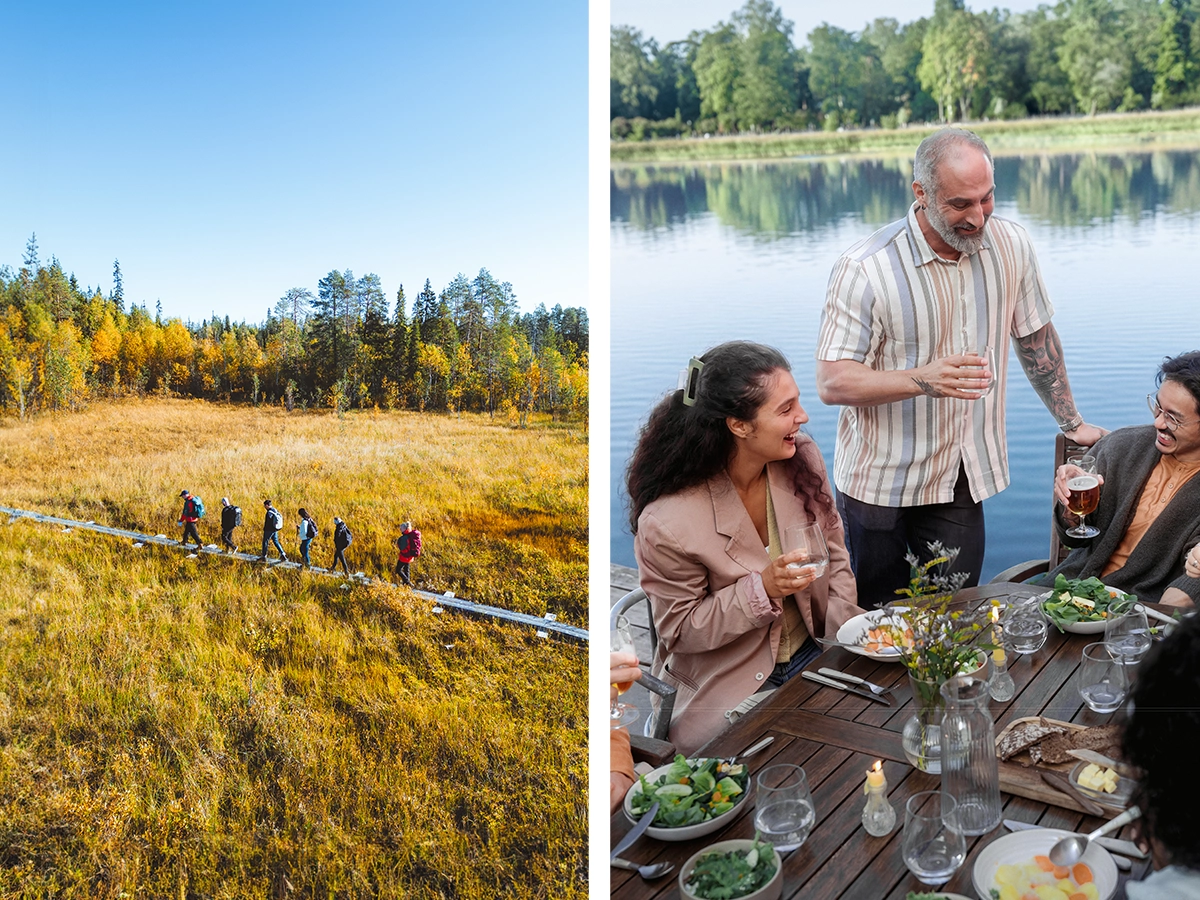
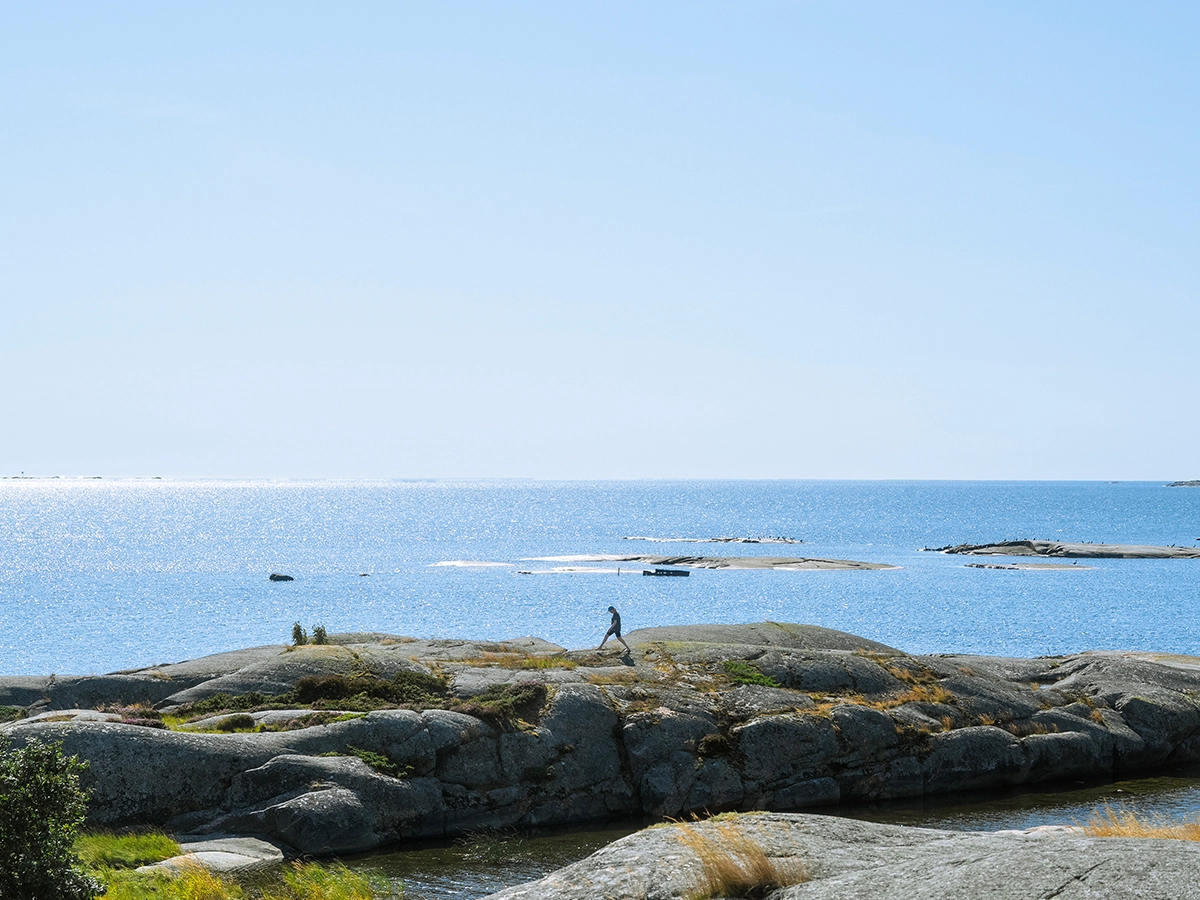
What unites both experiences is an insistence that the setting is not decorative but essential. The meals will unfold in landscapes of such stark beauty that they border on the metaphysical: granite shores giving way to dark water, endless taiga under a low sun, the silence broken only by wind or the distant call of a loon. To eat in such places is to understand something fundamental about Finnish happiness: not the effervescent variety peddled in wellness magazines, but a deeper, more stoic contentment born of acceptance, self-sufficiency, and an almost mystical relationship with nature.
“Finnish food is a direct expression of the world’s happiest lifestyle,” Jimenez observes, “rooted in nature, simplicity, and a deep connection to where ingredients come from.” There is sauna, yes, and the ritual of löyly (the steam rising as water hits hot stones) and the satisfaction of foraging for one’s dinner or pulling a net from the lake at dawn. These are not performative acts of wellness. They are simply how life is lived.
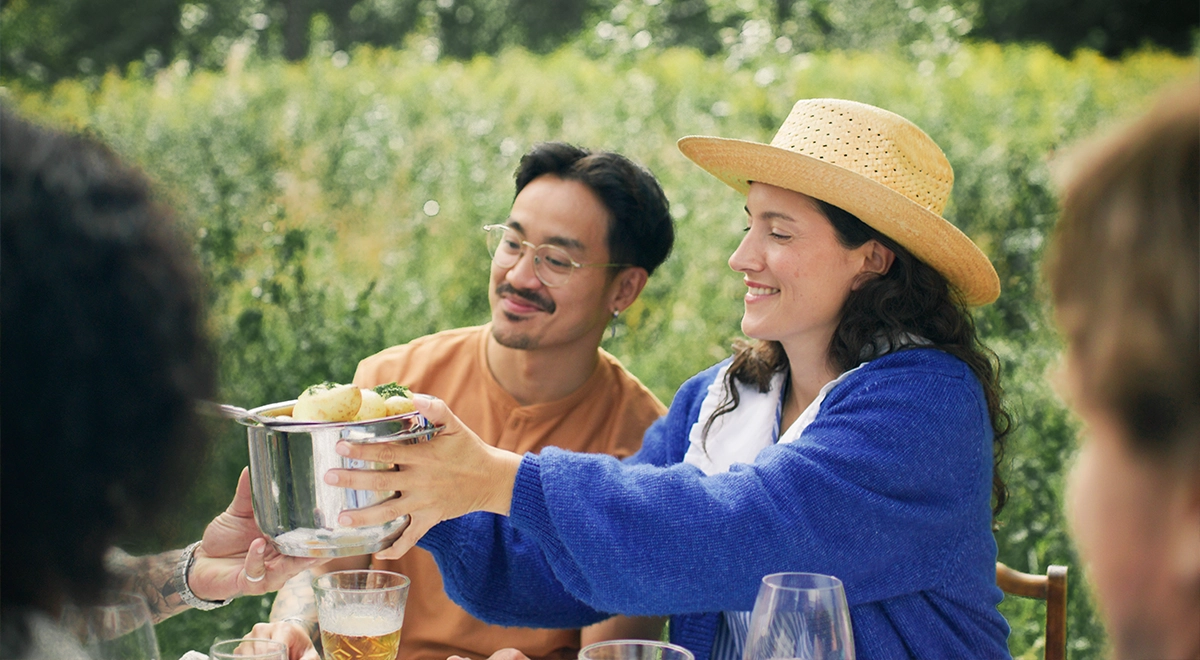
For those fortunate enough to receive an invitation, the Official Tasting Table offers something rarer than another tasting menu in an era drowning in them: a glimpse into a culinary culture that has never particularly cared whether the world was watching.




Explore the Art of Japanese Incense with Mai Iguchi
‘The way of incense’ in Japanese culture goes
far beyond the sense of smell.

Austrian Enamel Jewelry brand- FREYWILLE Adds Russian and Auspicious Elements
According to the Chinese zodiac, we’re now entering the Year of the Rat, which symbolizes strength and new beginnings. It’s the dawn of a new decade as well as a new zodiac cycle, so it’s a good time to look to the future with optimism and an open heart. It’s also an opportunity to celebrate …
Austrian Enamel Jewelry brand- FREYWILLE Adds Russian and Auspicious Elements Read More »

In Conversation with the Crowned Couturier
One of European royalty’s favourite designers ensures regality with his creative grace.
Cartier’s Jewel
In the 1920s, France was experiencing its Années Folles period, when culture thrived and arts and literature took centre stage. The Lost Generation of writers, including Ernest Hemingway and F. Scott Fitzgerald, were gallivanting and meeting in salons with Gertrude Stein. Cole Porter was composing music that defined his generation, and jeweller Louis Cartier was …

