

For centuries, the northern Tuscan town of Pietrasanta has operated as a sort of secular guild for the visually obsessed. Tucked between the jagged marble peaks of the Apuan Alps and the glittering expanse of the Ligurian Sea, its sun-bleached piazzas have long been a sanctuary for artists, gallerists, and the highly specialized artisans who turn raw stone into monuments.
It is a place where the air smells faintly of sea salt and marble dust, and where the past is not a memory but a physical weight. Today, the local firm Architettura Tommasi is attempting a delicate piece of civic alchemy: leading this historic art colony into its next chapter through a series of redevelopment projects.
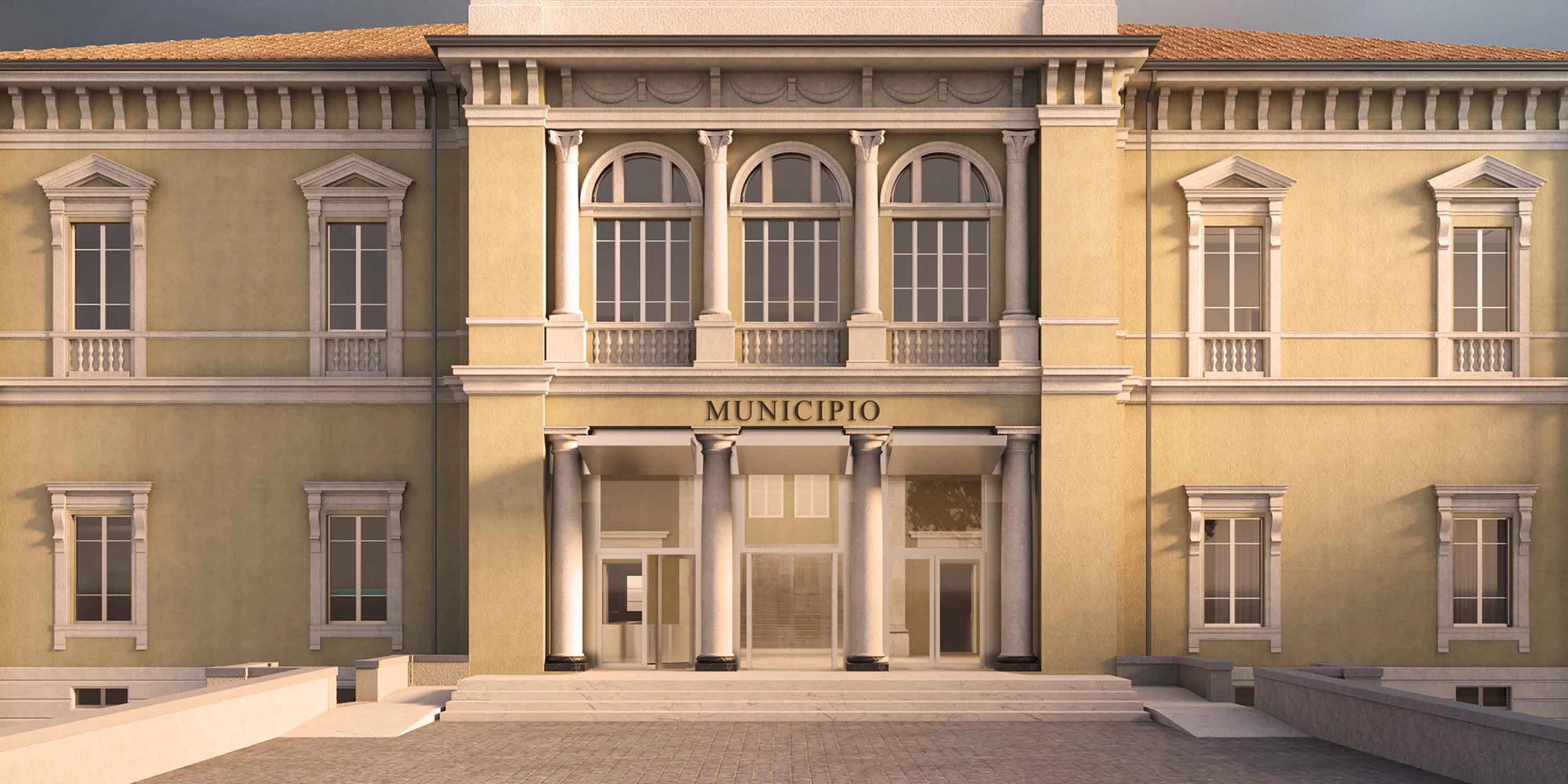
The centerpiece of this transformation sits in Piazza Matteotti, inside the austere, dignified frame of the former municipal headquarters. Built in the 1920s to house the town hall, the structure is currently being hollowed out and reimagined as the Museum of the Historical Archive of Pietrasanta.
Its primary cargo will be a trove of more than 5,000 medieval maps, parchment records of ancient borders and forgotten topographies that have spent centuries locked away from public view. To step into the former council chamber, which is being converted into the museum’s inaugural exhibition gallery, is to witness a profound shift in civic utility. A room once reserved for bureaucratic debate is being recast as a theater for historical imagination.
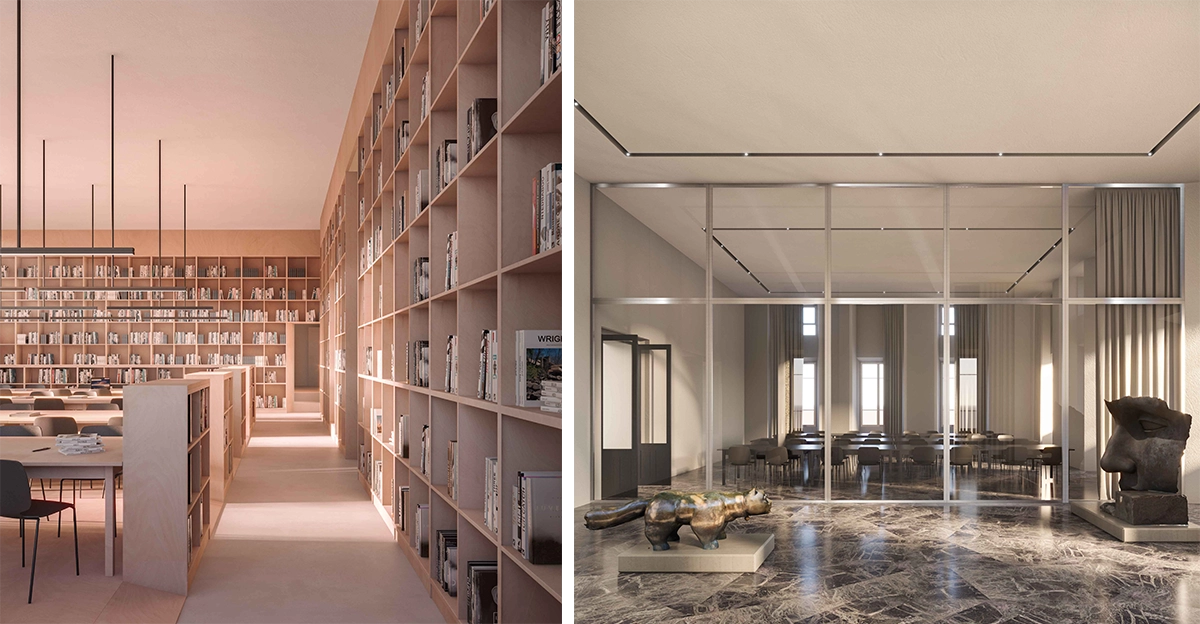
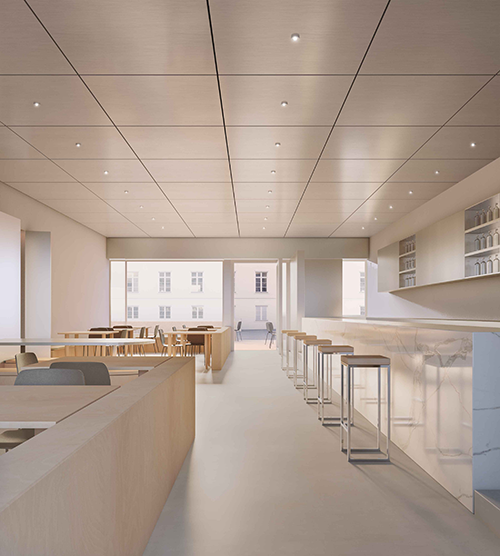
The real radicalism of the project, however, occurs on the ground floor, where the town’s public library is being relocated and re-engineered. Architettura Tommasi has swept away the dark, institutional compartmentalization of the original layout, replacing it with an airy, light-flooded sanctuary constructed from sustainable, tactile materials.
The design team has approached the space with a subtle spatial intelligence, embedding intuitive typography and audiovisual tools into the fabric of the building. The goal is to make the space entirely accessible to a modern public without scrubbing away the historic patina that gives the building its soul.
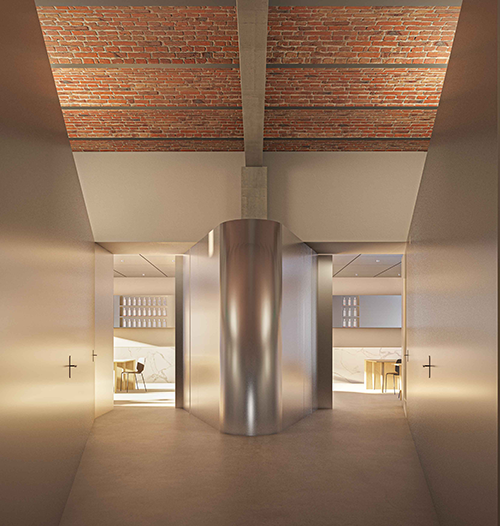
To bridge these disparate eras, the architects have introduced a series of contemporary interventions that act like modern punctuation marks in an ancient text. A grand internal staircase now cuts through the center of the building, unlocking previously inaccessible upper chambers and creating a new vertical rhythm within the old town hall.
Outside, a minimalist foyer and a sleek, protective canopy have been affixed to the facade, a confident architectural gesture that announces the building’s new public purpose to the piazza without disrespecting the symmetry of its 1920’s bones.
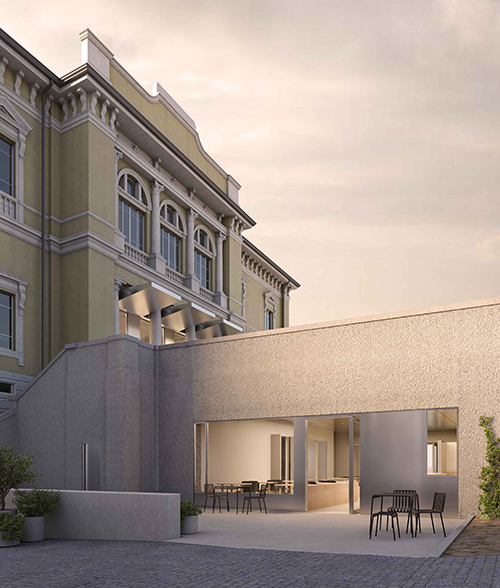
The studio’s ambitions extend beyond the city walls into the Parco della Versiliana, a historic woodland estate that has long served as the town’s cultural lung. There, Architettura Tommasi is expanding the park’s existing structural facilities, winterizing its pavilions to allow Pietrasanta’s vibrant cultural programming to persist through the rainy Mediterranean winters.
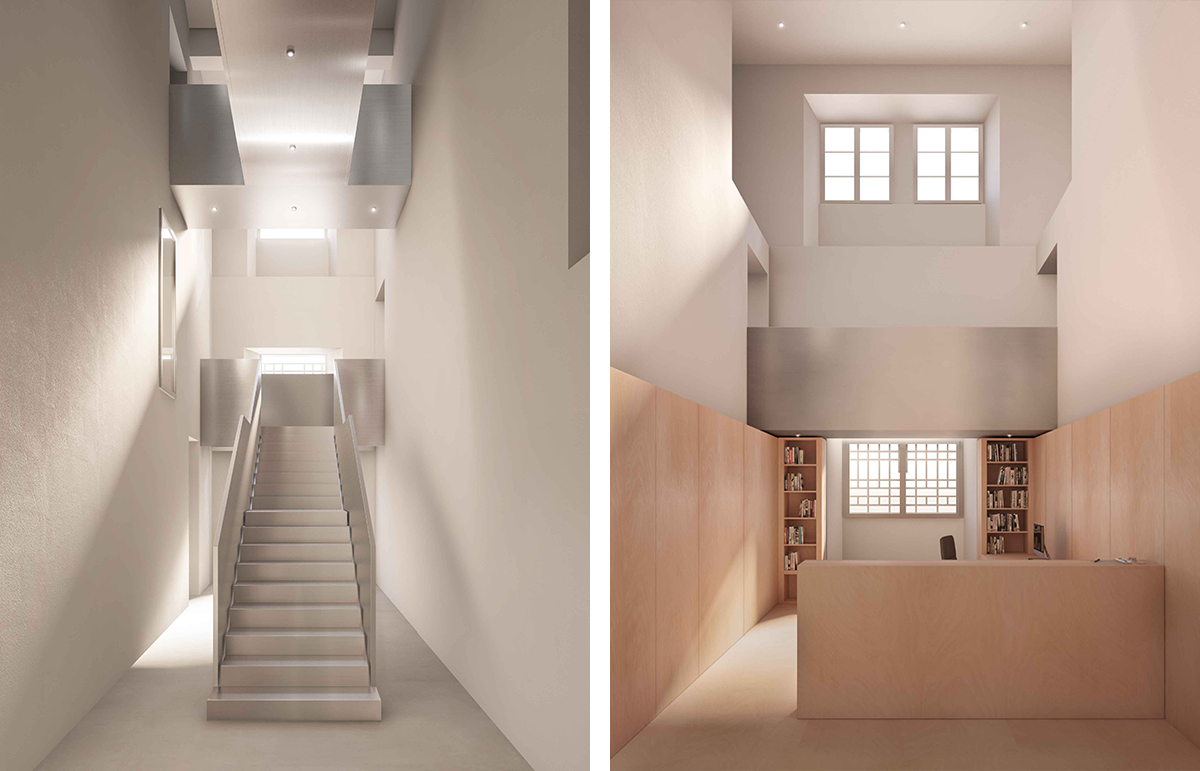
What lingers after a walk through these revived halls is a lesson in architectural grammar. By dropping a crisp, modern staircase and a sleek glass canopy into the heavy stone bones of a 1920’s monument, Architettura Tommasi has refused the easy comfort of a costume drama. Instead, they have left behind a working notebook on how an ancient town can transform its historic weight into a piece of beautiful work for the now.





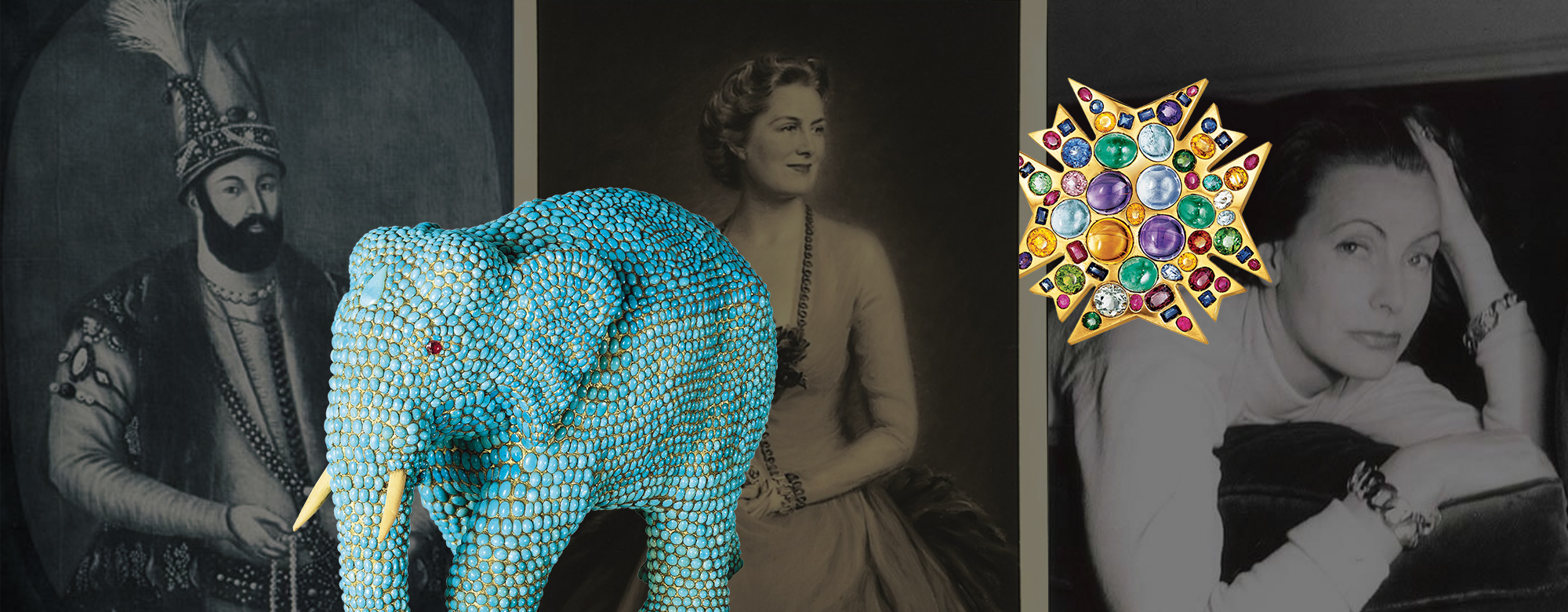

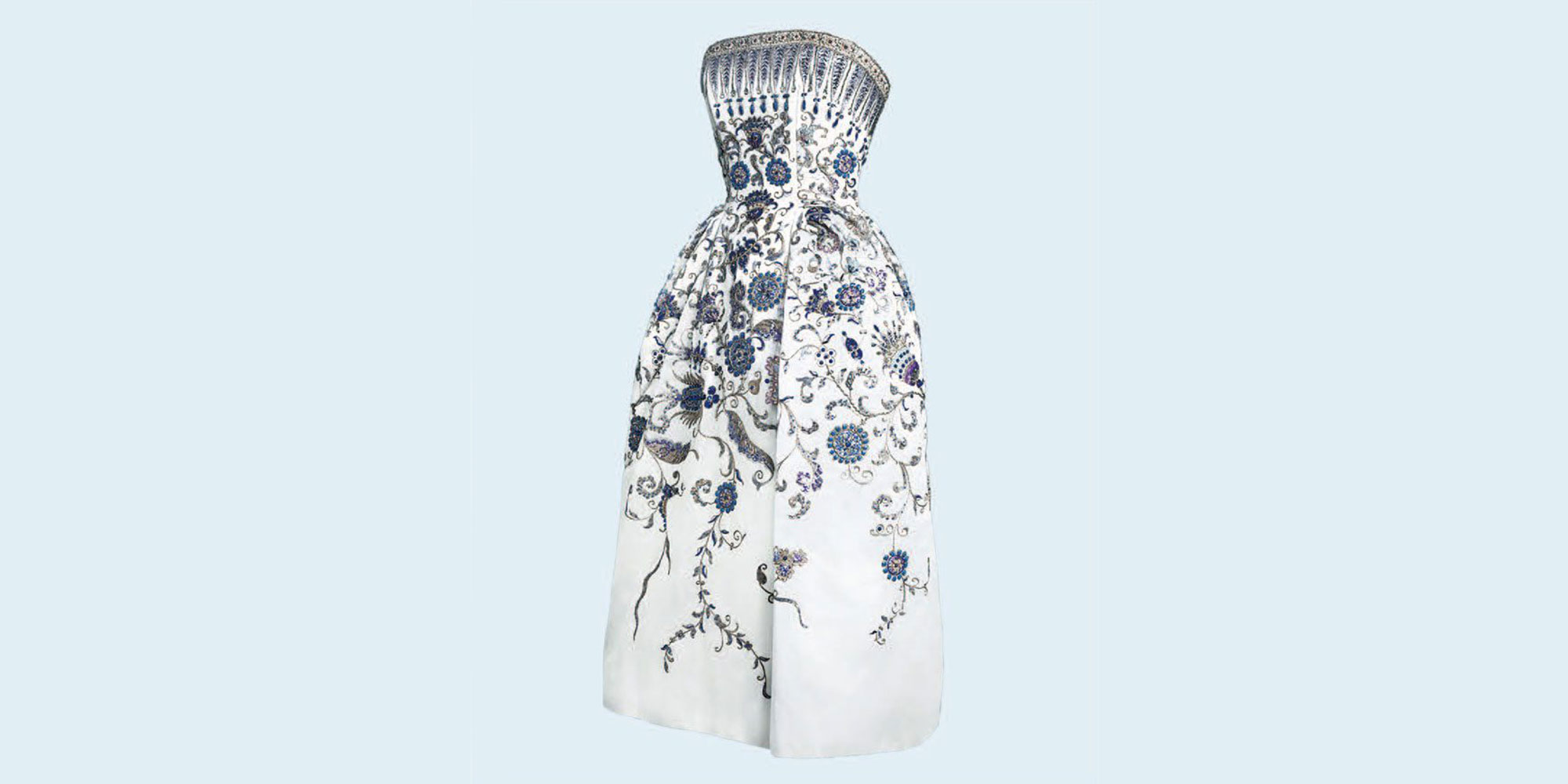
Must-See Haute Couture Collections at Palais Galliera Museum
Don’t miss collections that feature pieces from The Duchess of Windsor, Princess Grace of Monaco and Baroness Rothschild.

