
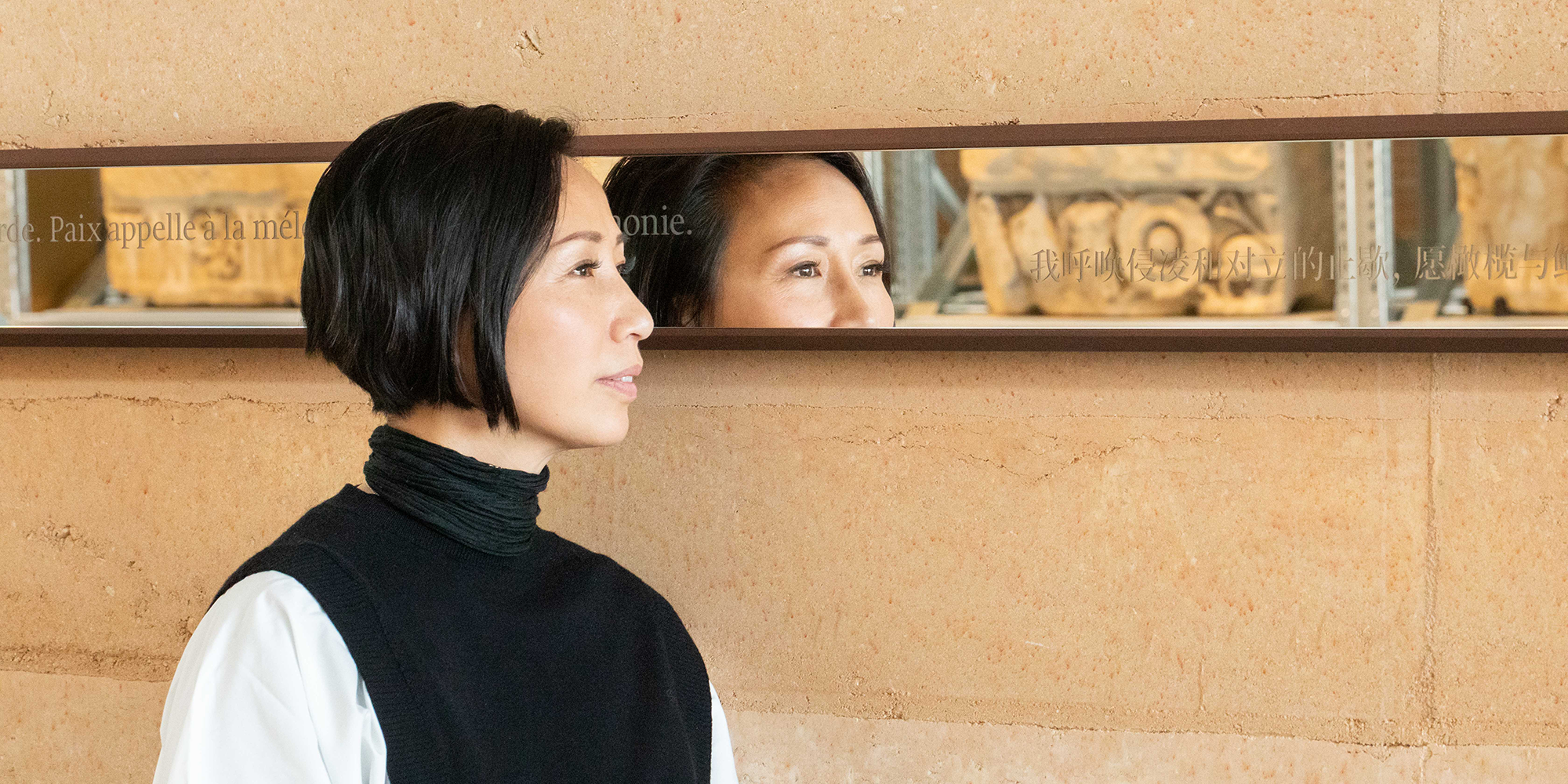
Picture a perfect afternoon in Narbonne: a crisp Mediterranean breeze, the intoxicating scent of pine resin, and the sublime, tactile texture of two-millennia-old Roman stone. At the Narbo Via Museum, history isn’t dusty; it’s an exercise in monumental curation. Fractured marble reliefs and time-scarred inscriptions stand as pages in a vast, slowly turning book of history. It is against this backdrop of classical antiquity that a thrilling, crossepochal creative collision unfolds, proving that true art isn’t bound by geography or era.
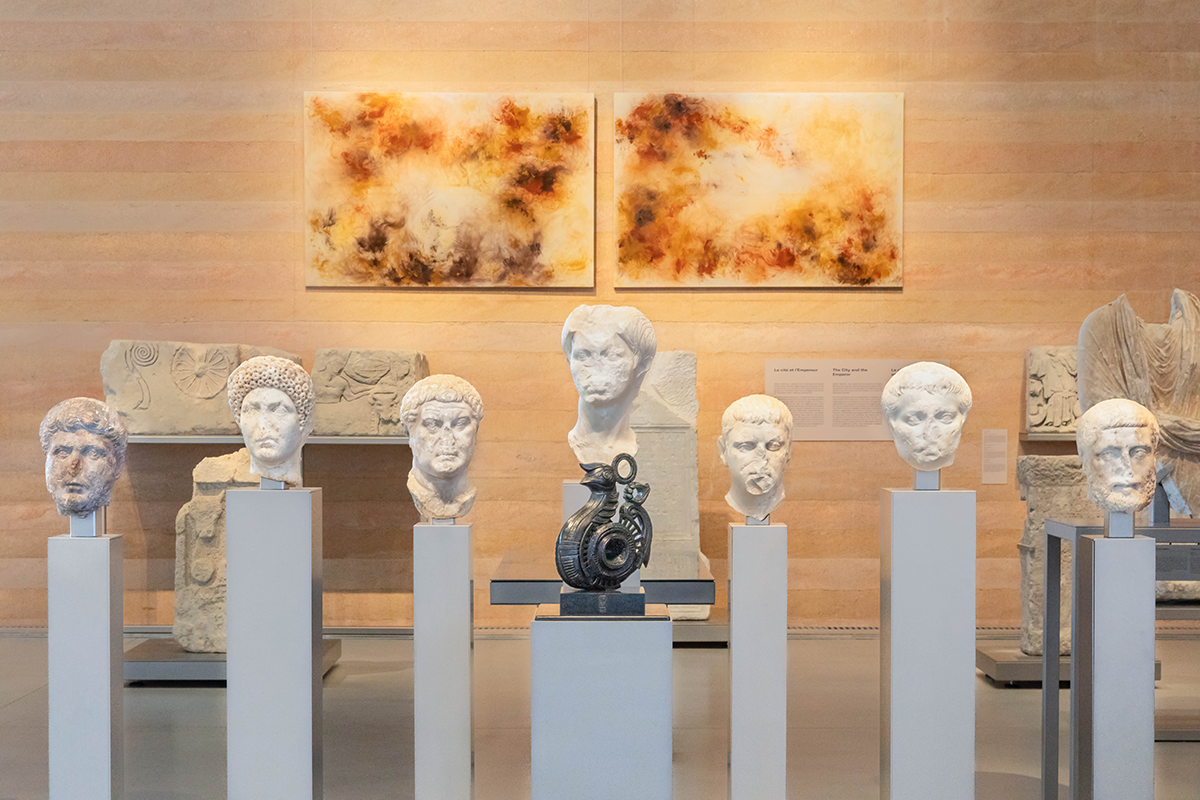
The catalyst for this contemporary encounter is the visionary Chinese artist Jiang Qiong Er. In her latest exhibition, The Breath of Time, 12 mythical guardians—born of a hybrid imagination that reimagines the legends of the Maya, Egypt, and China—now stand sentinel amidst the weathered remnants of Roman Narbonne. By placing them toeto-toe with Roman emperors and gladiators, the exhibition poses a question as ancient as it is urgent: What, if anything, still binds us?
The Global Translator
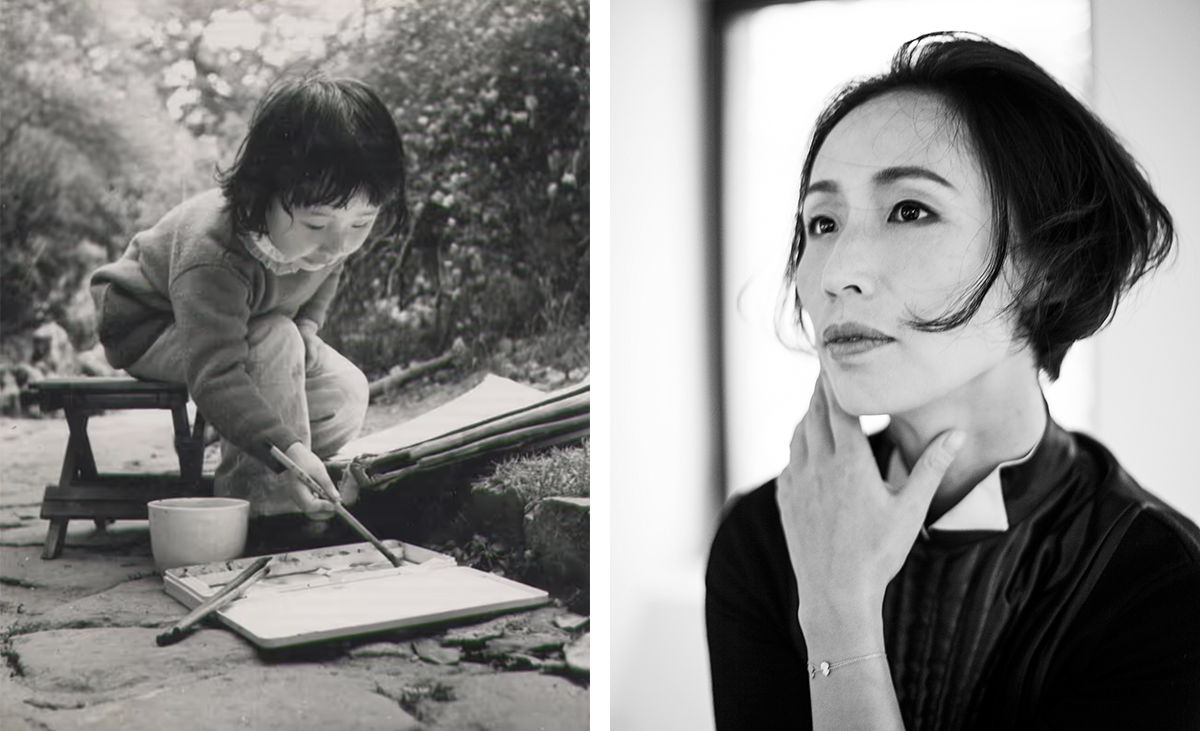
Few artists navigate the tension between East and West with as much fluidity as Jiang. Creativity was not merely encouraged in her childhood home; it was the family’s native tongue. Her grandfather, Jiang Xuan Yi, was among the first to introduce Western oil painting to China, and her father, Xing Tonghe, is the architect behind the Shanghai Museum. Jiang’s own path was marked by a rigorous confluence: she trained in the ancient traditions of calligraphy and ink painting before crossing the channel to study design at the École Nationale Supérieure des Arts Décoratifs, in Paris.






A Landscape of Leather
A royal descendant creates a new dynasty of art by applying traditional Chinese painting techniques to leatherwork