

There is a distinct, liminal anxiety native to the modern airport. For decades, the global transit hub has existed as a non-place, a sterile purgatory of linoleum, fluorescent hum, and TSA stanchions. It is a space where local culture traditionally goes to be muted, replaced instead by the ubiquitous, international vernacular of Duty-Free Tobacconists and Hudson News. Yet, as the Prix Versailles recently reminded us with its announcement of the World’s Most Beautiful Airports for 2026, the transit terminal is undergoing an architectural reclamation. The contemporary airport is no longer content to merely be the infrastructure you endure on your way somewhere else; it wants to be the somewhere else.
As Jérôme Gouadain, the Secretary General of the Prix Versailles, observes, these newly built terminals have become defining emblems of their regions and their eras. They represent a concerted effort to anchor the placelessness of travel within a specific geography. “Airports are becoming attractive settings, emblems of economic, cultural and social dynamics that will continue to shape the societies of tomorrow, draw them together and unify them.”
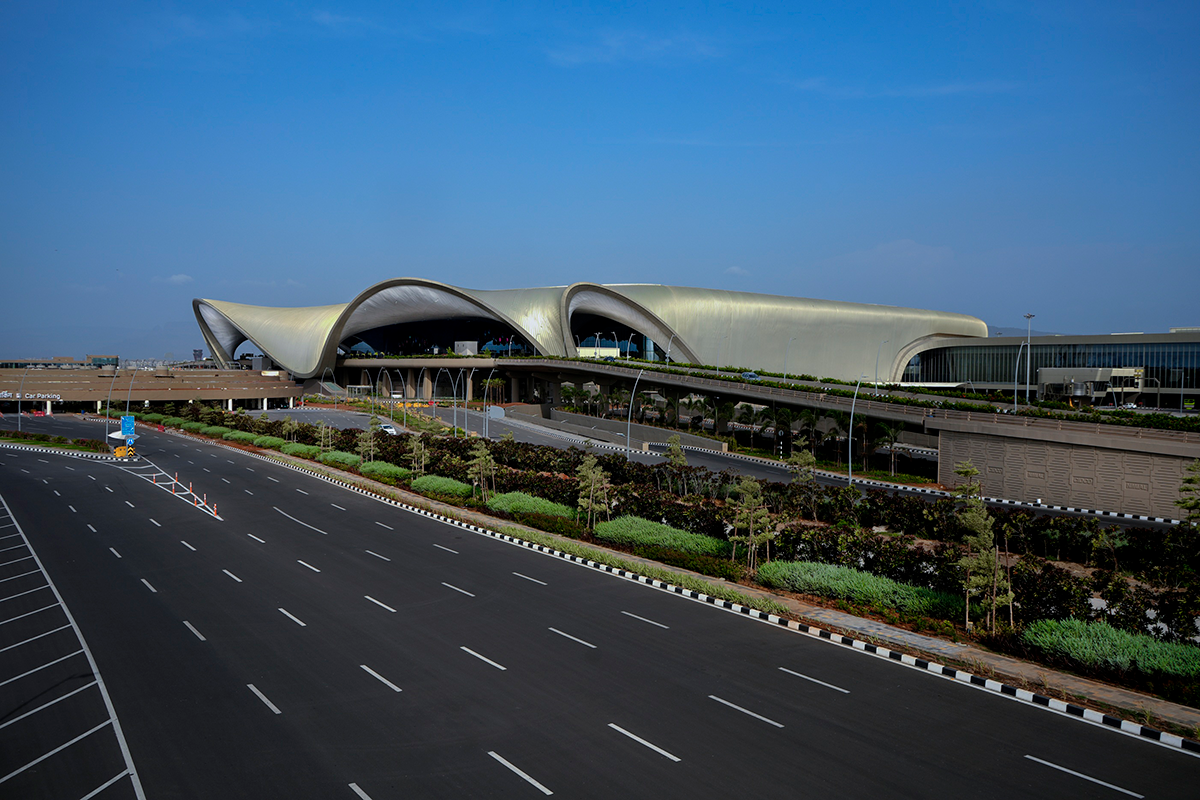
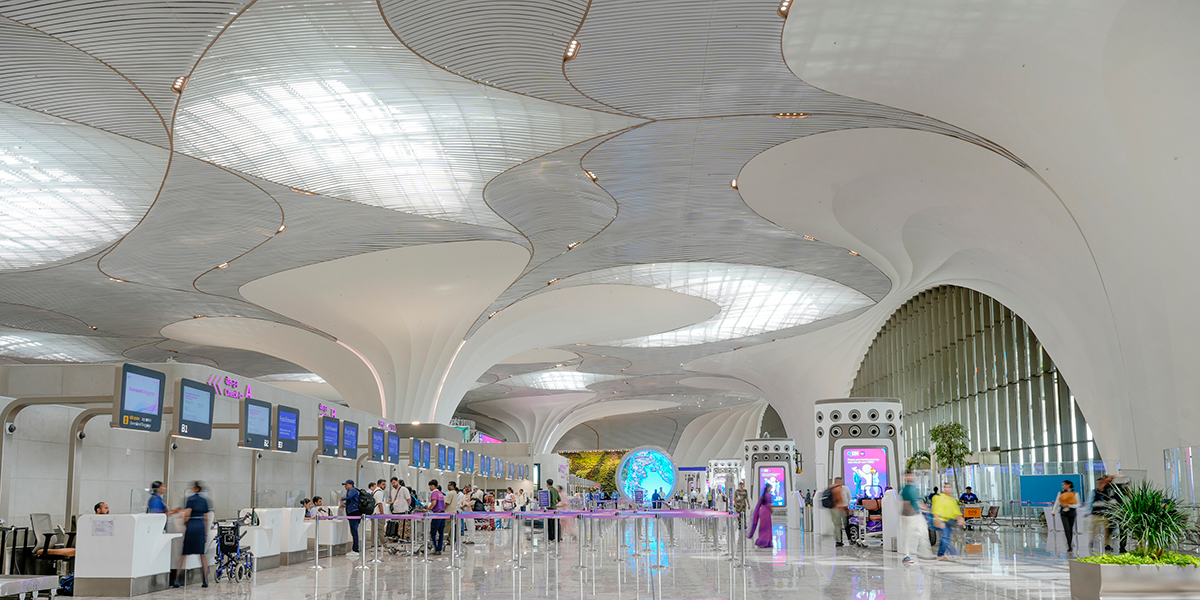
In India, a nation currently undergoing an unprecedented infrastructure boom, this architectural renaissance is happening through the lens of symbolic botany. At Navi Mumbai International Airport, the late Zaha Hadid’s firm has dropped a characteristically fluid, sculptural anchor into the landscape. The terminal is a masterclass in biomimicry, its rooflines, portals, and columns unfolding like the petals of a sacred lotus. It is high-concept, digital-forward, and unapologetically ambitious, a structural thesis on India’s impending future narrated through interactive digital installations.
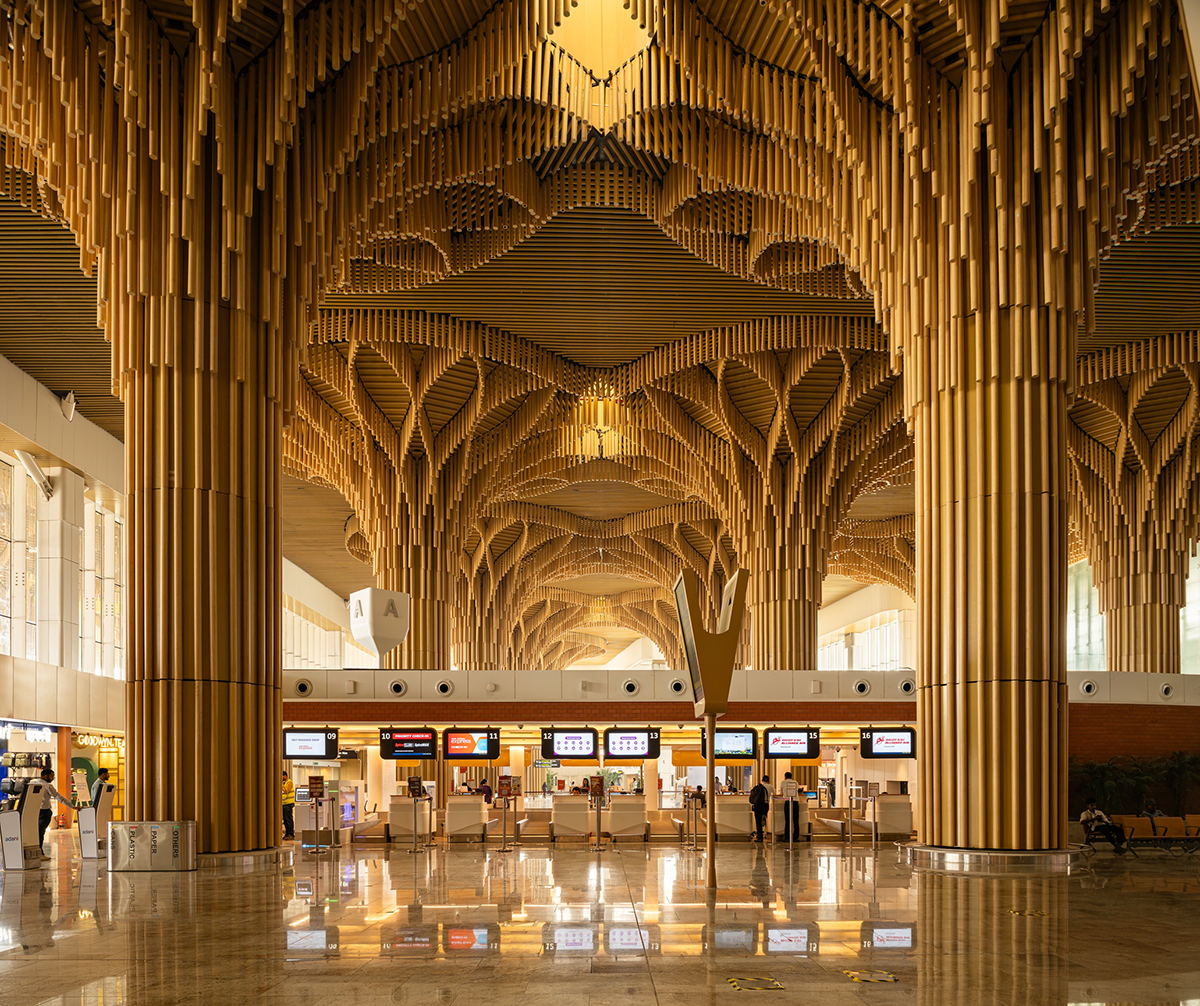
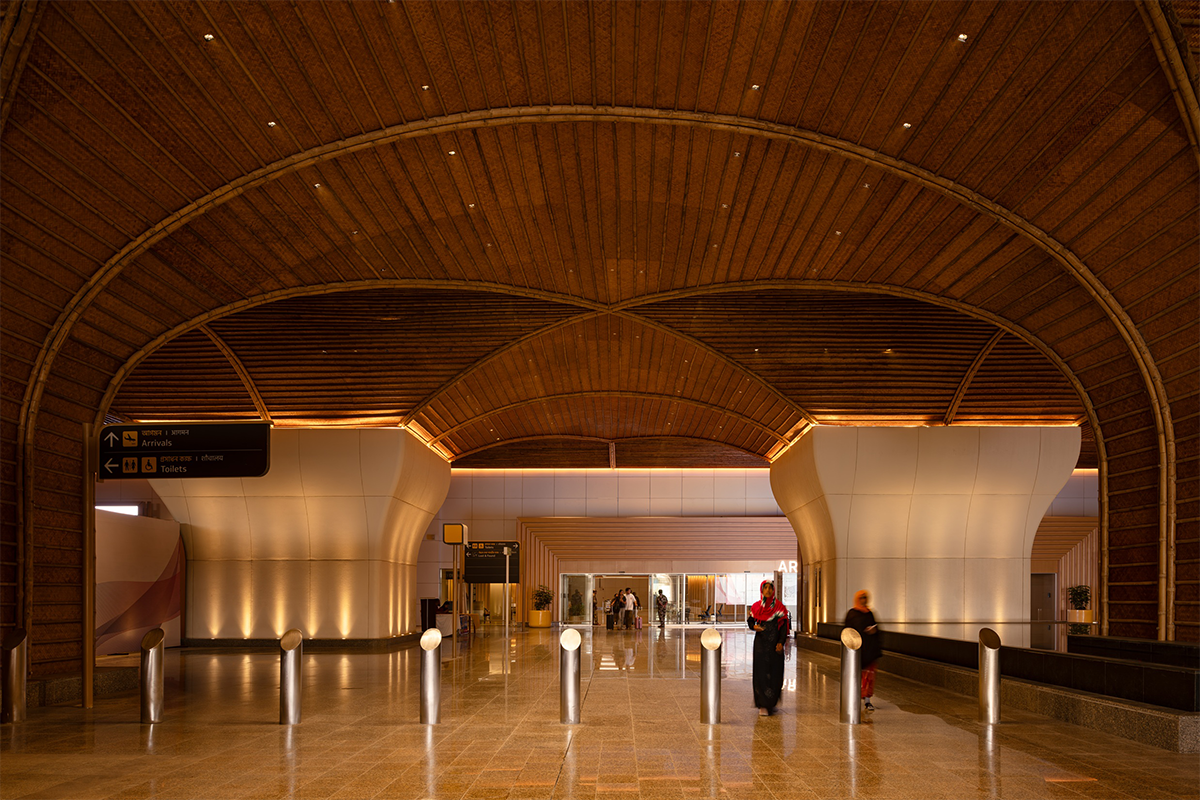
Further east, in Guwahati, the Lokapriya Gopinath Bordoloi International Airport’s Terminal 2 takes a more artisanal approach to the organic. Designed by Nuru Karim, the space borrows its DNA from the regional bamboo orchid and the undulating topography of Assam. The sweeping vaulted ceilings echo the sacred landscapes of the region, while patterns inspired by the Brahmaputra River guide passengers through luminous halls enriched by indigenous art and local craftsmanship.
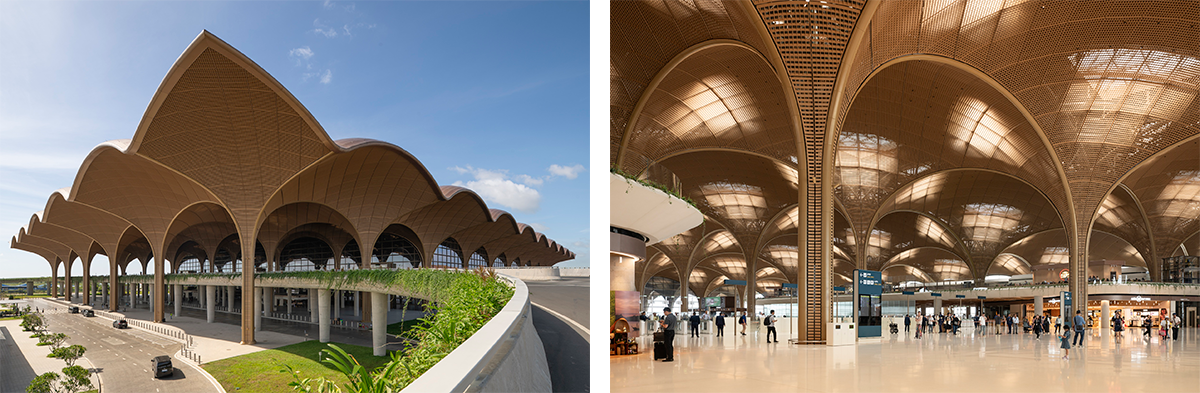
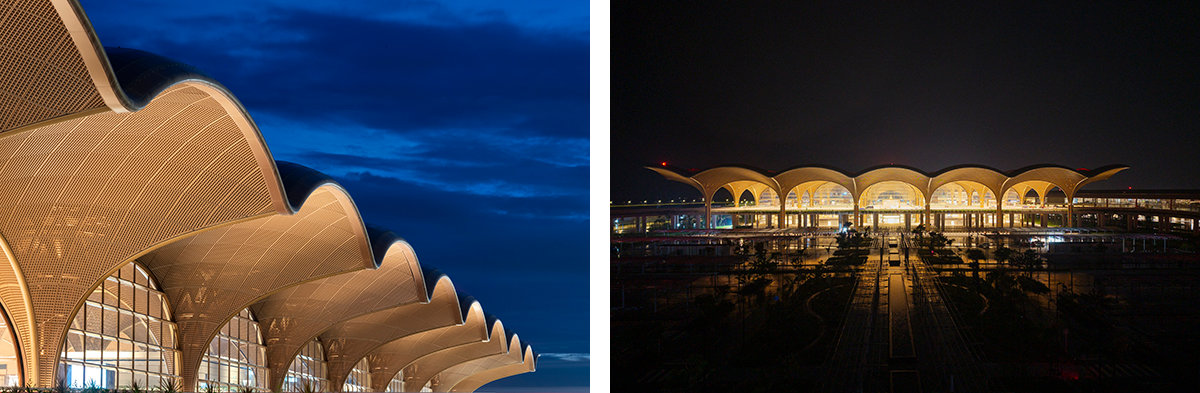
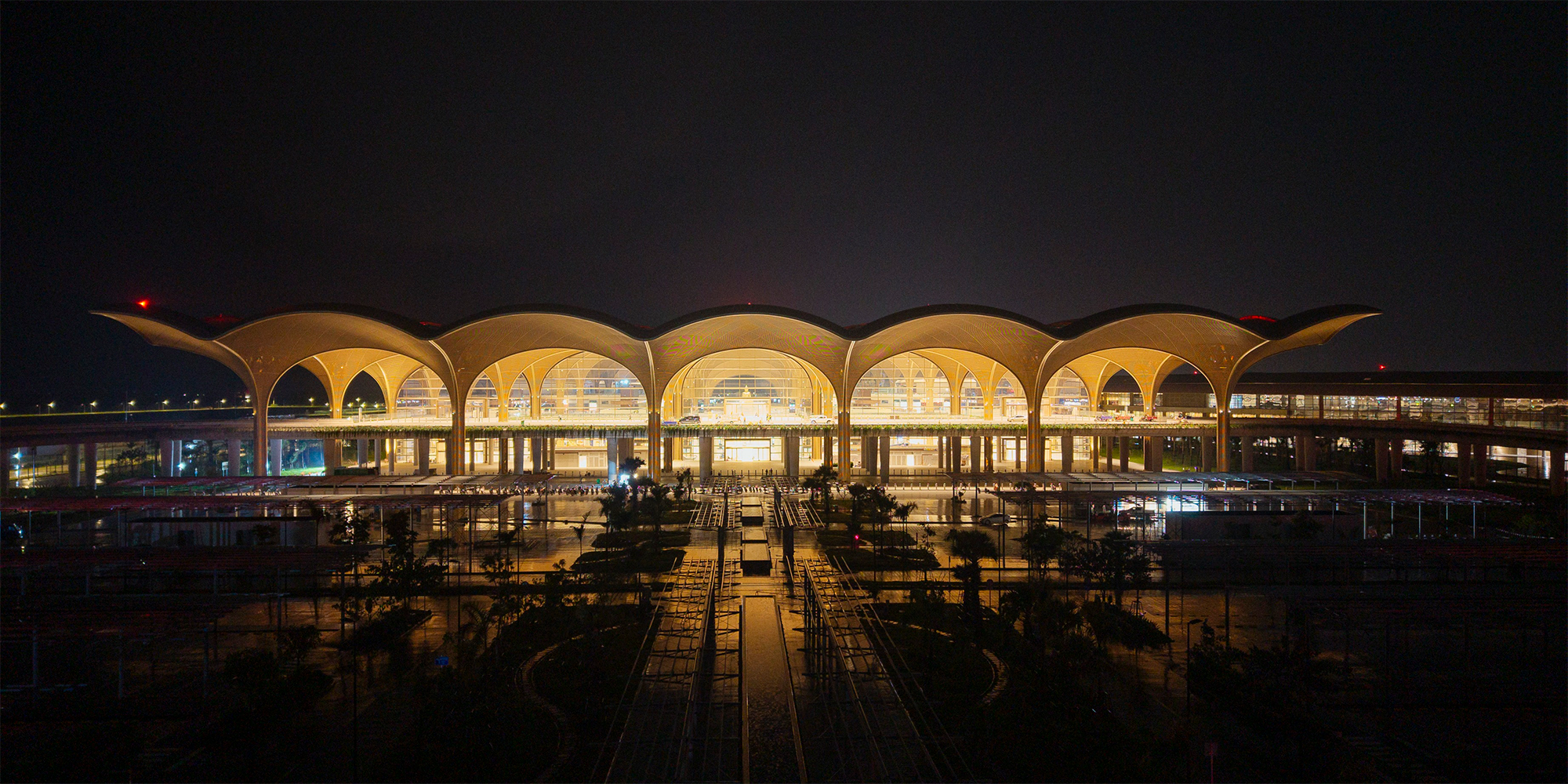
To enter Cambodia’s new Techo International Airport, designed by Foster + Partners, is to walk beneath a sweeping modular roof that acts as a structural translation of ancient Khmer palaces. It is an exercise in scale and light. The vast ceiling grid diffuses the harsh Cambodian sun into a gentle, golden glow, illuminating an interior populated by live rumduol trees and woven structures that pay homage to traditional rattan and bamboo basketry. It suggests that a gateway to the modern world can still hold a conversation with the 12th century.
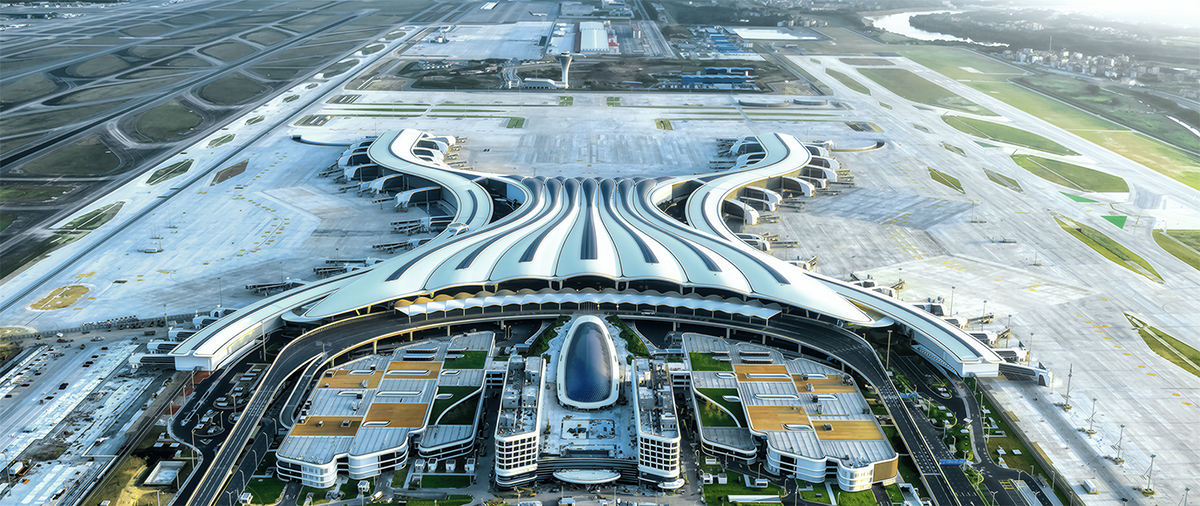
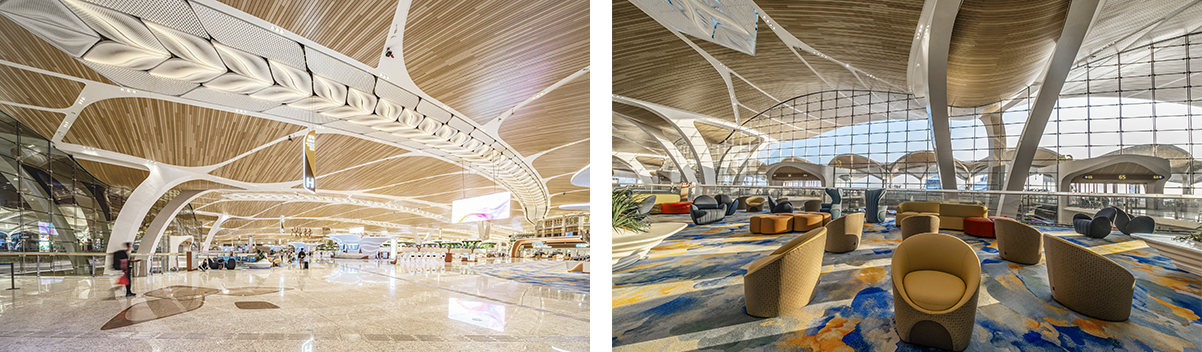
The natural environment undergoes a similar, highly localized translation in China, where the new Terminal 3 of Guangzhou Baiyun International Airport takes its cues from Lingnan culture. Designed by Artelia and the Guangdong Architectural Design and Research Institute, the terminal leans into Guangzhou’s identity as the “City of Flowers.” The interior flow of the building is informed by the gentle, cyclical motifs of clouds, water, and blossoms, transitioning seamlessly into outdoor terraces, lush gardens, and an expansive observation deck that bridges the boundary between the enclosed terminal and the open sky.
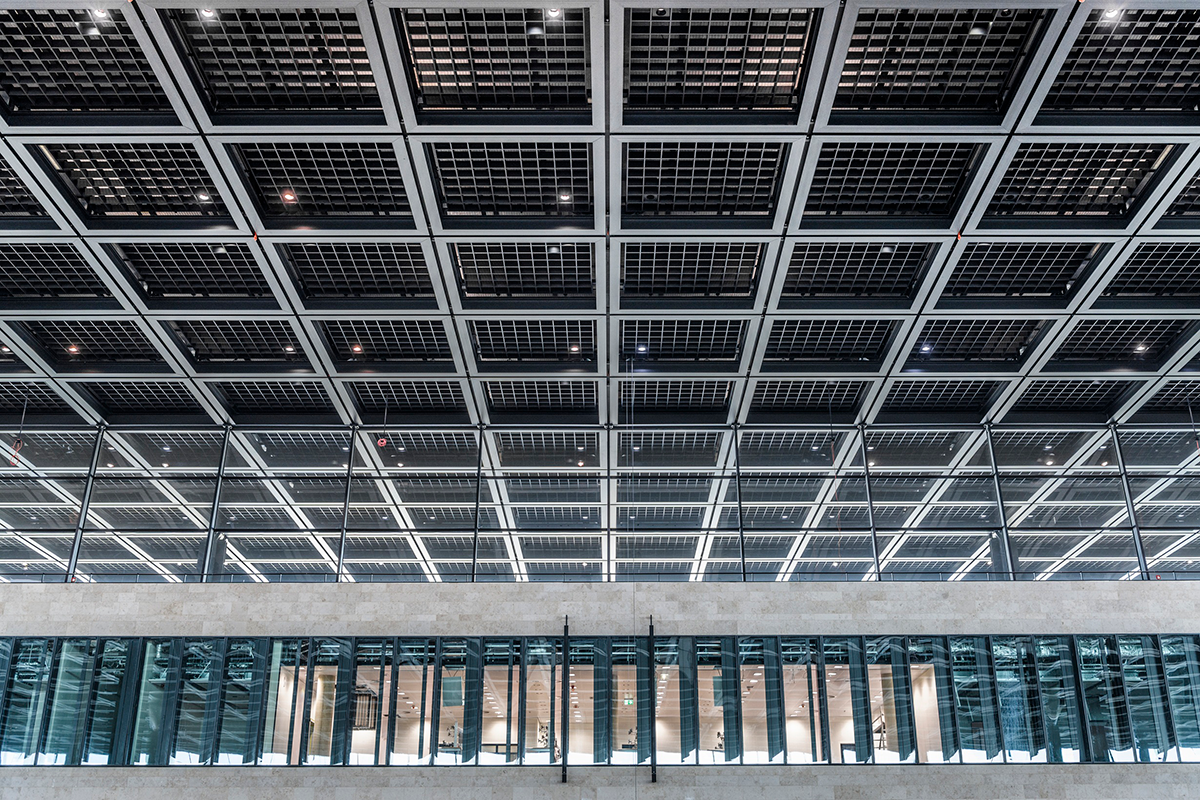
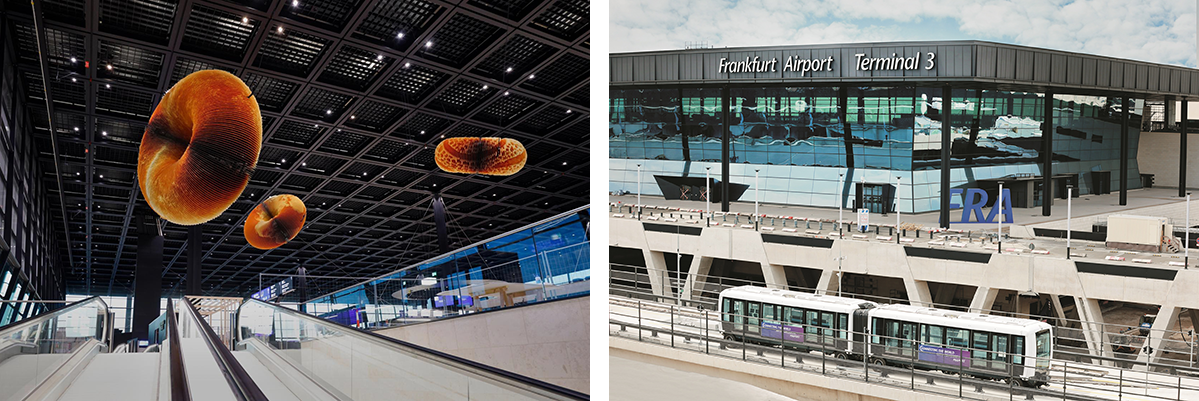
Meanwhile, in Europe, Frankfurt Airport’s massive new Terminal 3 tackles the opposite problem: how to make the gargantuan feel human. The architect Christoph Mäckler has abandoned the conventional, sprawling terminal layout in favor of a miniature city. Gates, lounges, and circulation routes are treated as urban streets and public squares, paved in limestone and classic travertine. It is a deeply civilized, rationalist approach to human comfort, balancing technical innovation with kinetic art installations to offer a sense of stability and permanence to the weary traveler.
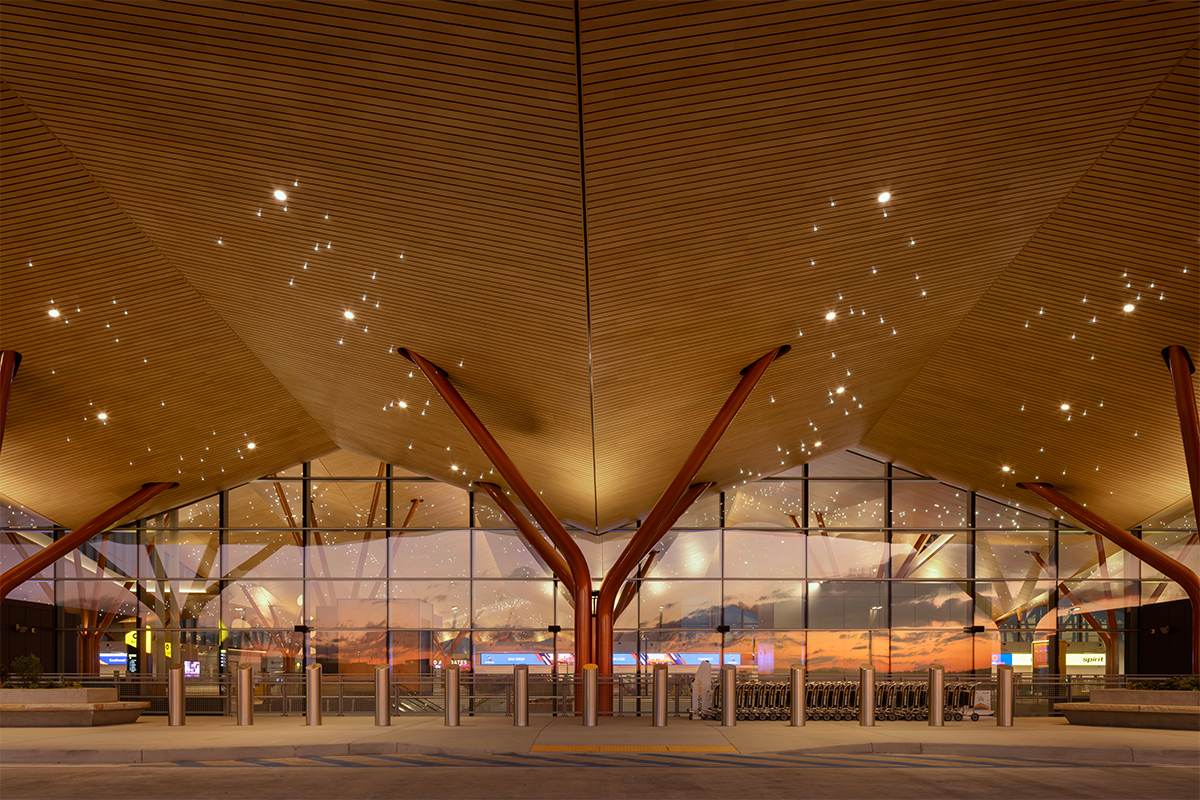
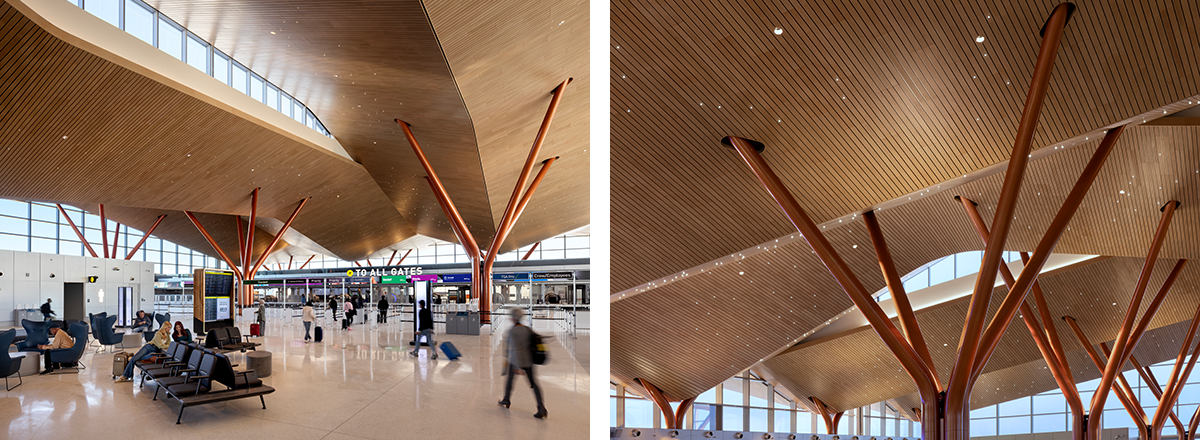
Across the Atlantic, where airport infrastructure is famously retrogressive, two American cities are attempting a civic glow-up by leaning heavily into their local ecologies. Pittsburgh International Airport, planned by Gensler and HDR alongside luis vidal + architects, has fashioned a love letter to Western Pennsylvania’s rugged topography. Its dramatic roofline mimics the rolling crests of the Allegheny Mountains, supported by tree-like steel columns that turn a heavy industrial material into a biophilic forest. It is an energy-efficient, sustainable build that roots the traveler firmly in the rust-and-river heritage of the region.
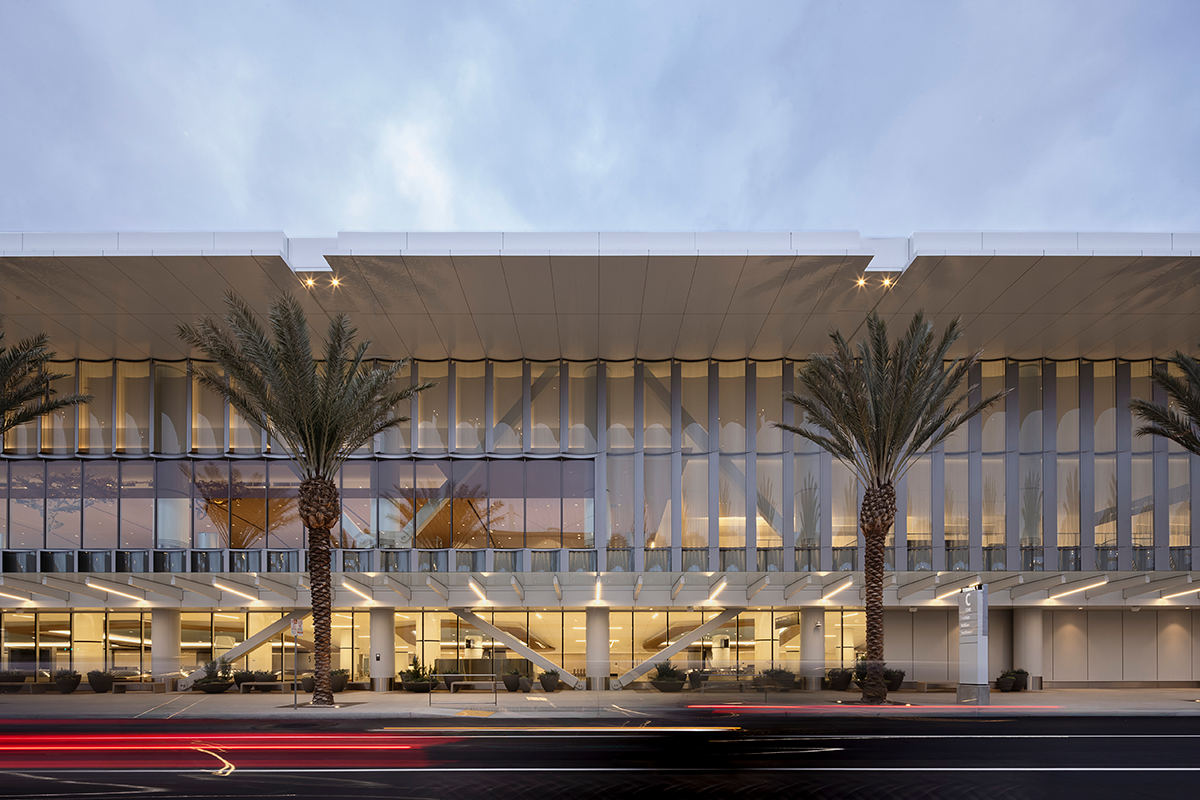
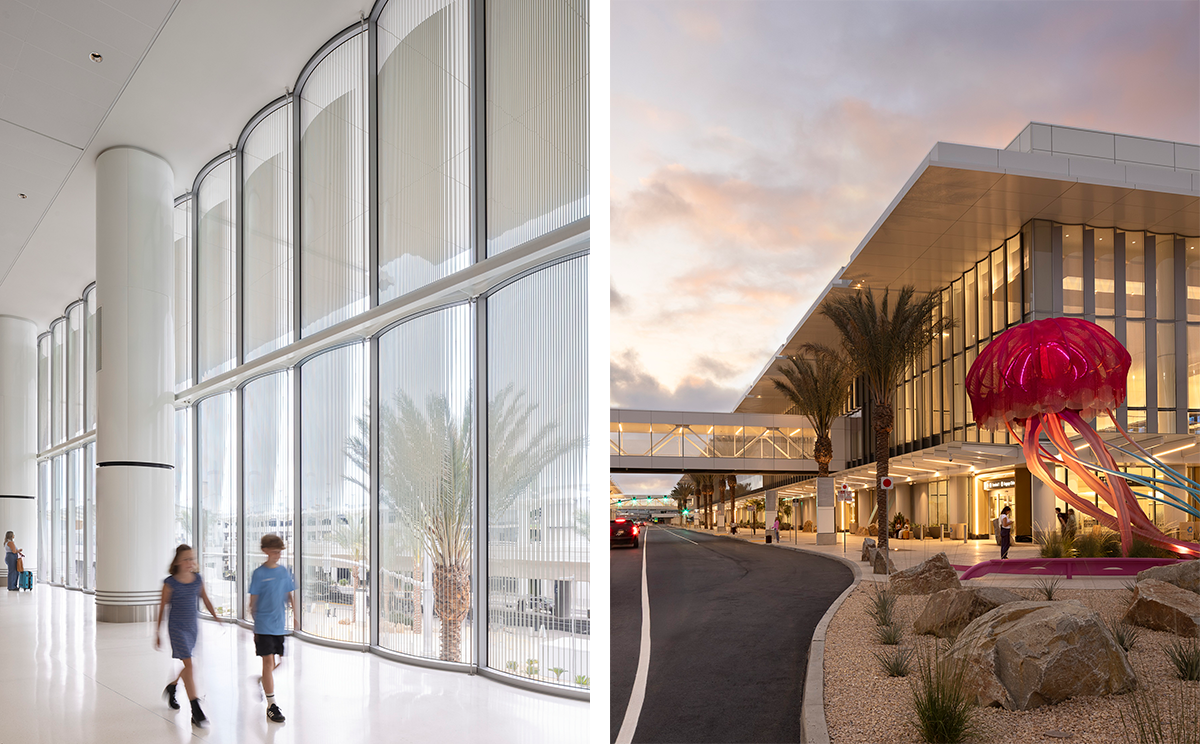
On the opposite coast, San Diego International Airport’s newly transformed Terminal 1 reflects California’s lifelong affinity for laid-back, outdoor living. The focal point is a staggering 244-meter curved glass façade that floods the interior with natural daylight while cleverly reducing heat gain. The space functions essentially as a massive, sun-drenched veranda, connecting passengers to the city’s waterfront setting through open-air terraces and flexible-use lounges. (Designed by Gensler in collaboration with James Carpenter)
In elevating the airport from a mere transit hub to a living testament of regional beauty, these architects have given travelers a gift: a sanctuary in the skyward rush. They show us that even in our most transient moments, surrounded by the speed of the modern world, we can find a gentle connection to the earth, a soothing breath of nature, and a beautiful temporary place to begin.






Celebrity Stylist Gabriel Georgiou Changes His Life Through Meditation
“It was a very, very loud voice that said to me: ‘We have come to take you—you have lost your way.’ I said ‘I know, I understand, I’m really sorry. I’ve just been caught up in it all, and I’ve lost myself. Give me another chance.’” —Gabriel Georgiou Take it from Gabriel Georgiou, life as …
Celebrity Stylist Gabriel Georgiou Changes His Life Through Meditation Read More »

Must-See Haute Couture Collections at Palais Galliera Museum
Don’t miss collections that feature pieces from The Duchess of Windsor, Princess Grace of Monaco and Baroness Rothschild.

