


After a decade of working as a designer for a number of European fashion houses, Yolanda Estévez felt everything was moving too fast.
To be sure, the innovation, creativity, and the sheer buzz were exhilarating. But the unsettling pace, the trend-chasing production cycle, and the up-to-the-minute design culture were eroding her love of bringing ideas to life. There had to be a better way, a way that honoured hand craftsmanship and respected the time required to produce garments of exceptional quality.
So she created one: Knitbrary, a luxury knitwear studio that honours the world’s noblest fibres and ancestral knowledge passed down through generations of artisans.

“Initially, I saw craftsmanship as a question of technical excellence,” Estévez reflects. “Today, I understand it as a living process, shaped by time, the transmission of knowledge, and close collaboration between designer and artisan.”
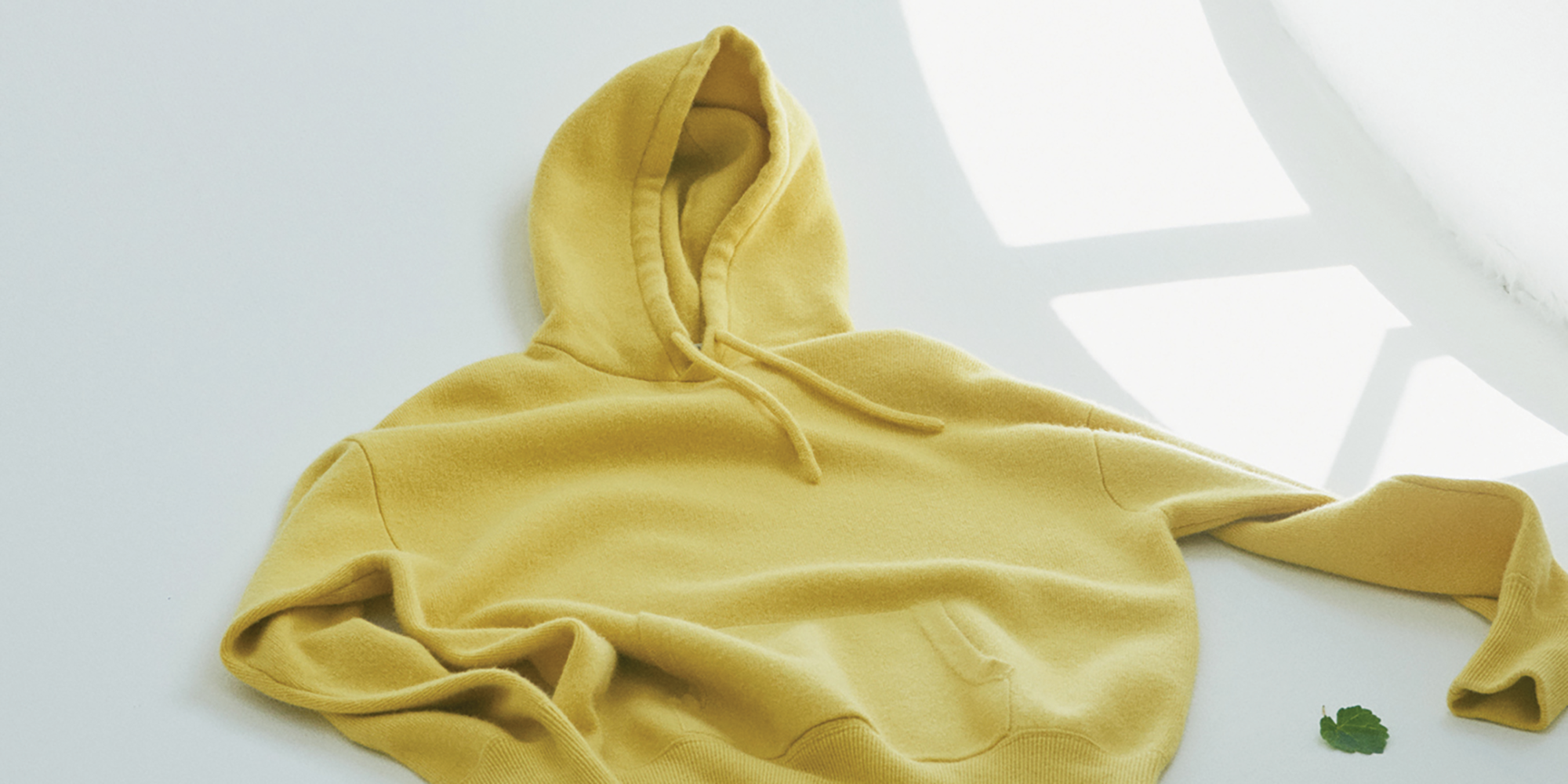
Estévez is emphatic: at Knitbrary, fashion is driven by vision and values rather than fleeting trends and media buzz. And the act of creation is a conscious expression of meaning, designed to be coveted and cherished across multiple generations. Her designs reflect a timeless elegance, with sweaters, coats, and accessories made to order in strictly limited quantities, individually numbered and catalogued—a detail that adds a distinct sense of fine-art exclusivity to every piece.
“I’ve always been drawn to garments that endure,” she says. “Not only because of their physical durability, but also because of the emotional relationship they create with the person who wears them.”

Most of the fibres in Knitbrary’s collection are sourced from Peru: baby alpaca, Suri alpaca, vicuña, pima cotton. As Estévez explains, the country’s rich intergenerational heritage of fibre harvesting, yarn production, and hand-knitting is an integral part of the country’s cultural patrimony. “In Peru, the art of knitting and weaving is a practice deeply connected to the country’s collective memory, recognized as intangible cultural heritage.”

That heritage is a significant source of inspiration for Estévez. So much so that instead of directing her artisans from her boutique in A Coruña, Spain, she travels to them, spending up to six months a year in her workshop in Arequipa at the foot of the Peruvian Andes, collaborating directly with the weavers, knitters, and finishers who bring her designs to life.

“Because the entire process takes place locally, we’re able to maintain a very close relationship with the materials, the artisans, and every stage of production,” Estévez says. This hands-on approach ensures access to the very best fibres and allows meticulous attention to micron range and staple length, striking the right balance between softness and durability. “We know where the fibres come from, how the yarn is spun, dyed, and knitted, and who’s involved in each part of the process.”
The relationship between designer and artisan is central to Estévez’s method. Working directly with her knitters gives her the freedom to let designs evolve naturally, responding to the hidden language of the fibres themselves, the way the yarn shapes not only the stitch, but the sensual quality of the finished piece.

“Working in Peru has shown me that many of the most meaningful details emerge through dialogue, experimentation, and intuition, rather than from a purely predefined idea,” Estévez notes. “The knit pattern evolves in direct dialogue with the material. Sometimes a stitch, a texture, or a proportion emerges naturally from the hands of the knitter herself, through experimentation inside the workshop. This constant human exchange gives each garment a depth, sensitivity, and authenticity that would be impossible to achieve through a purely industrial approach.”
This process is the antithesis of the massproduced, disposable design methods that dominate so much of today’s fashion industry. “Over time, we’ve developed not only a working process, but also a shared language and way of understanding each piece together,” she says. “Rather than separating design and craftsmanship, the process becomes a continuous dialogue between design and ancestral knowledge.”

For Estévez, working slowly by hand isn’t simply a way of distinguishing her brand from its fastfashion competitors, but a pathway to deeper emotional connection—a relationship between those who make a garment and those who wear it. “Working by hand also allows a much more intuitive and intimate relationship with the material. During the process, the piece can evolve naturally, with proportions, textures, or colours adapting naturally.”

It also enables a deeply personal act of creation. Estévez carefully selects the specific knitter whose skills best suit each piece. “Clothing can carry memory, care, and humanity,” she says. “A handmade piece carries the rhythm, gestures, and emotions of the person who created it. Subtle variations in tension, texture, and movement give each garment its own character and individuality.” Variation, imperfection, and “inefficiency” are not terms most fashion designers embrace. But for Estévez, that’s exactly the point.
“I’ve learned to value imperfection differently,” she says. “[It’s] the trace of the human presence behind each garment, giving it authenticity and emotional depth. That imperfection is precisely what creates beauty and emotional value.”





The Beauty of Embroidery Art in Vietnam
Vietnamese company XQ fuses traditional hand embroidery with painting to create magnificent creations, while giving its all-female artisans a community to thrive in


