

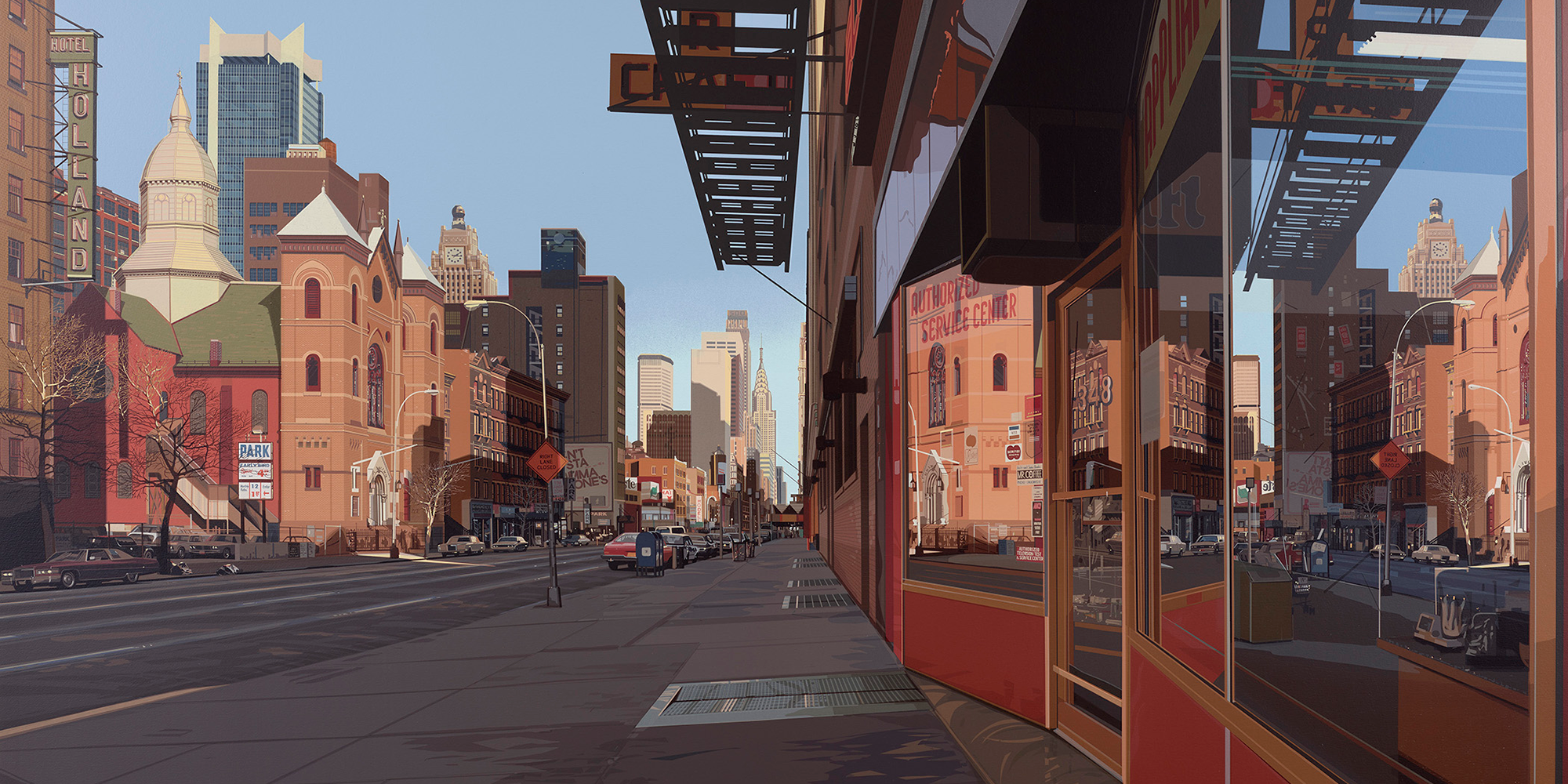
In an era of fleeting digital snapshots, there is a revelatory, almost forgotten magic in pausing to truly see. For over six decades, Richard Estes, the titan of Photorealism, has refined the art of the meditative stare. Having emerged in the 1960s as a cool-headed, calculated antithesis to Abstract Expressionism, Estes spent his career mastering the geometry of the city. Yet, the secret to his hyper-realistic mastery has always remained obscured, until now.
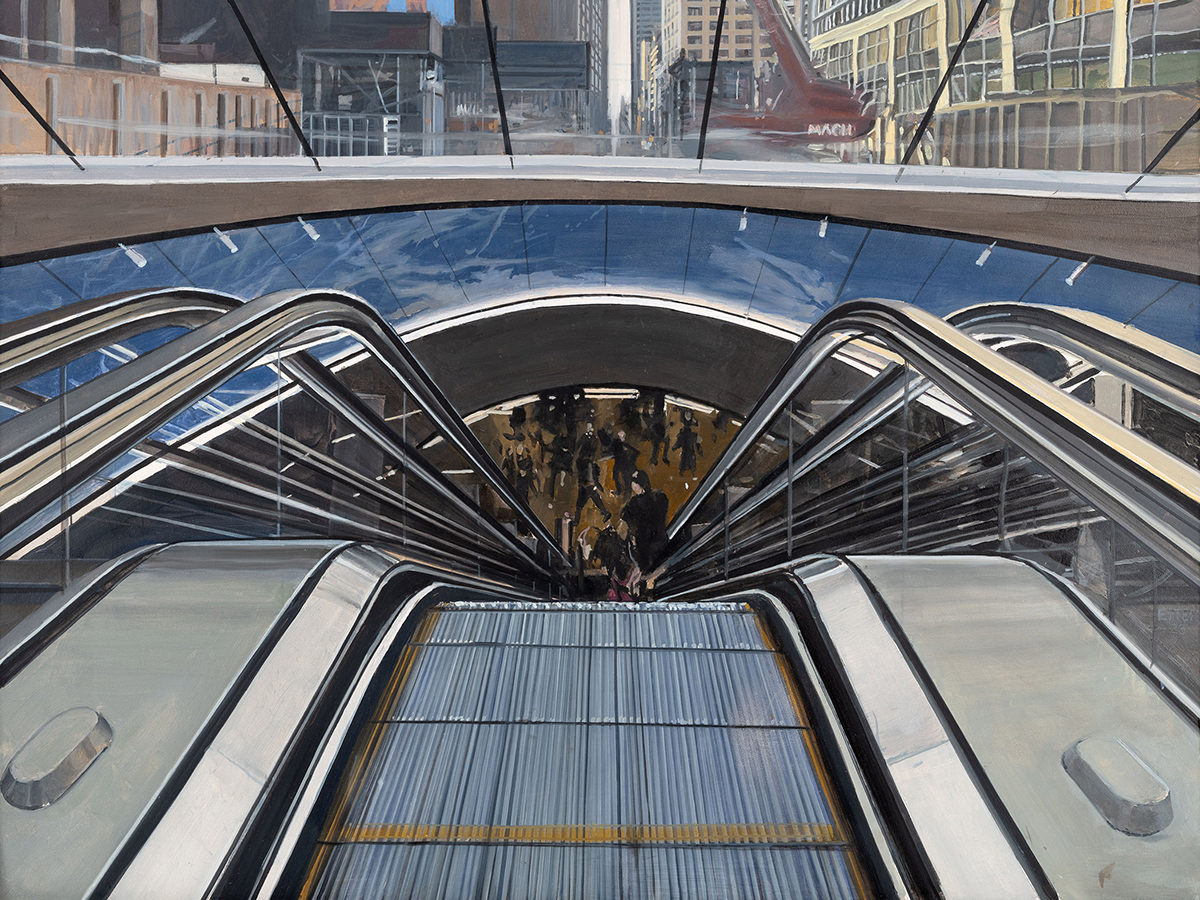
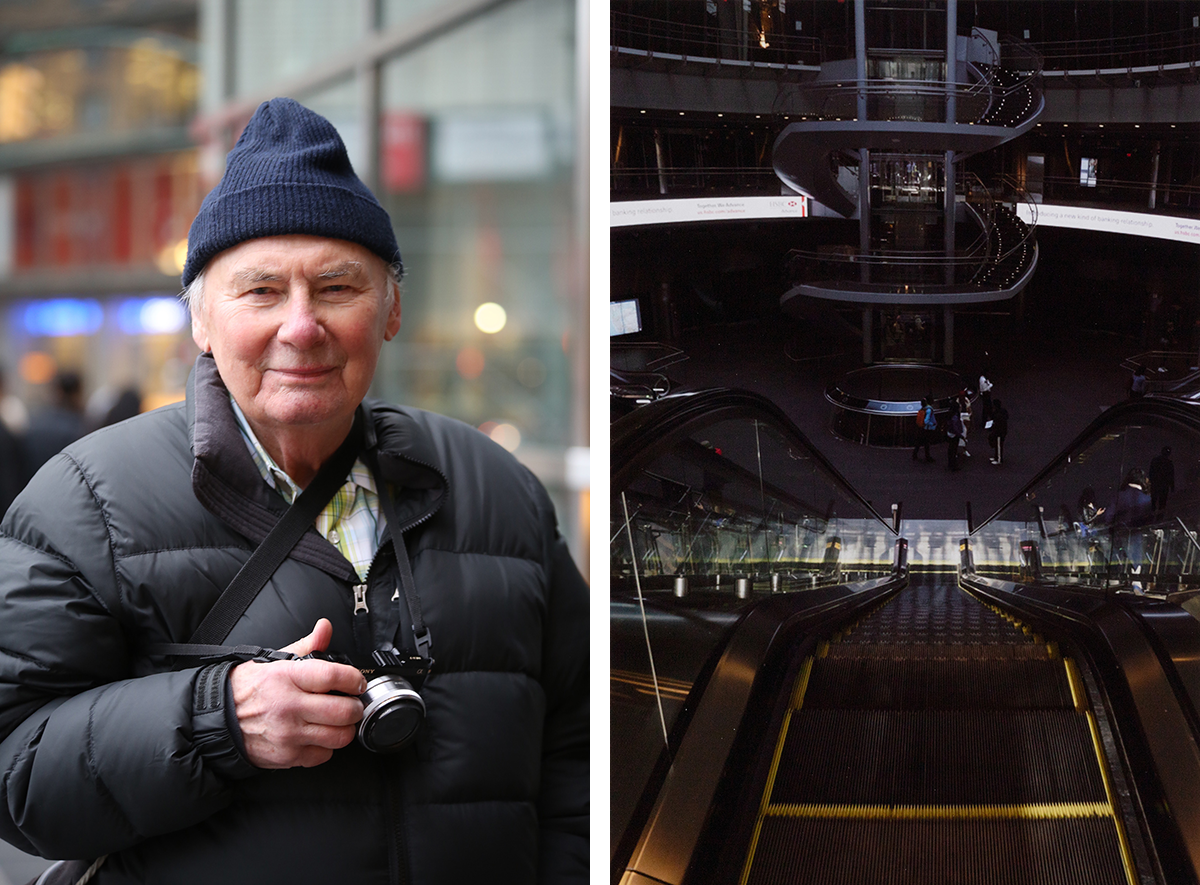
This summer, the Schoelkopf Gallery in New York pulls back the curtain on the man behind the canvas. From July 15 to August 21, 2026, the exhibition Richard Estes: My Camera Is My Sketchbook invites us to step into the artist’s private world. For the first time, Estes’s foundational photographs, the original witnesses to his creative process, are revealed as standalone works of art.
“The photographs in this exhibition are like my sketchbook,” the artist said. “They are part of how I look at the world and part of the process that eventually leads to a painting.”
The Anatomy of a Reflection
The experience of an Estes painting is one of inhabiting a world defined by refracted light. From the slick, oil-stained surface of a subway window to the mirrored facade of a storefront display, his work thrives in the duality of reflections. Estes, now 94, finds a kinship between his urban compositions and the grand staging of Verdi’s operas.
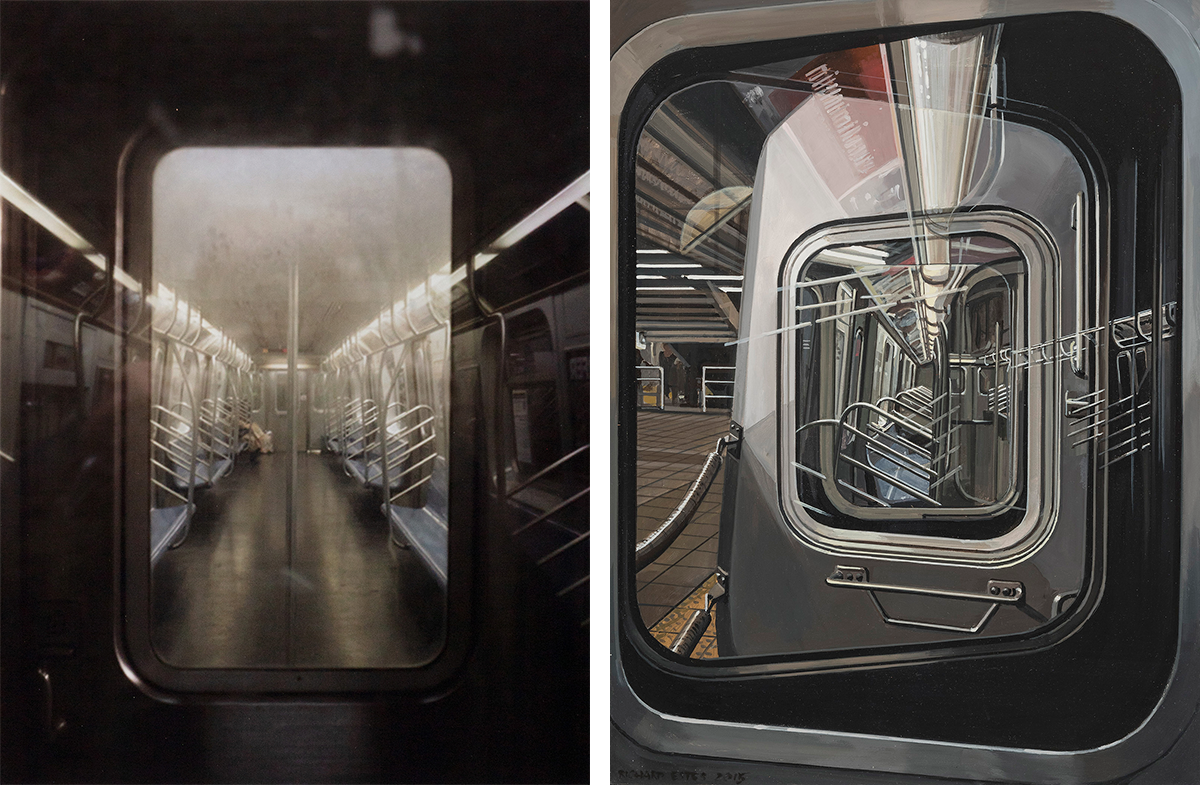
“Reflections create a similar experience,” Estes muses. “They allow different realities and viewpoints to exist together within a single image, which I find visually compelling.”
Much like the layered drama of Rigoletto or Aida, where simultaneous narratives unfold across a singular stage, Estes’s cityscapes find high drama in the mundane. He captures the architecture of the ordinary, finding the existential in the everyday pulse of New York City and Maine.
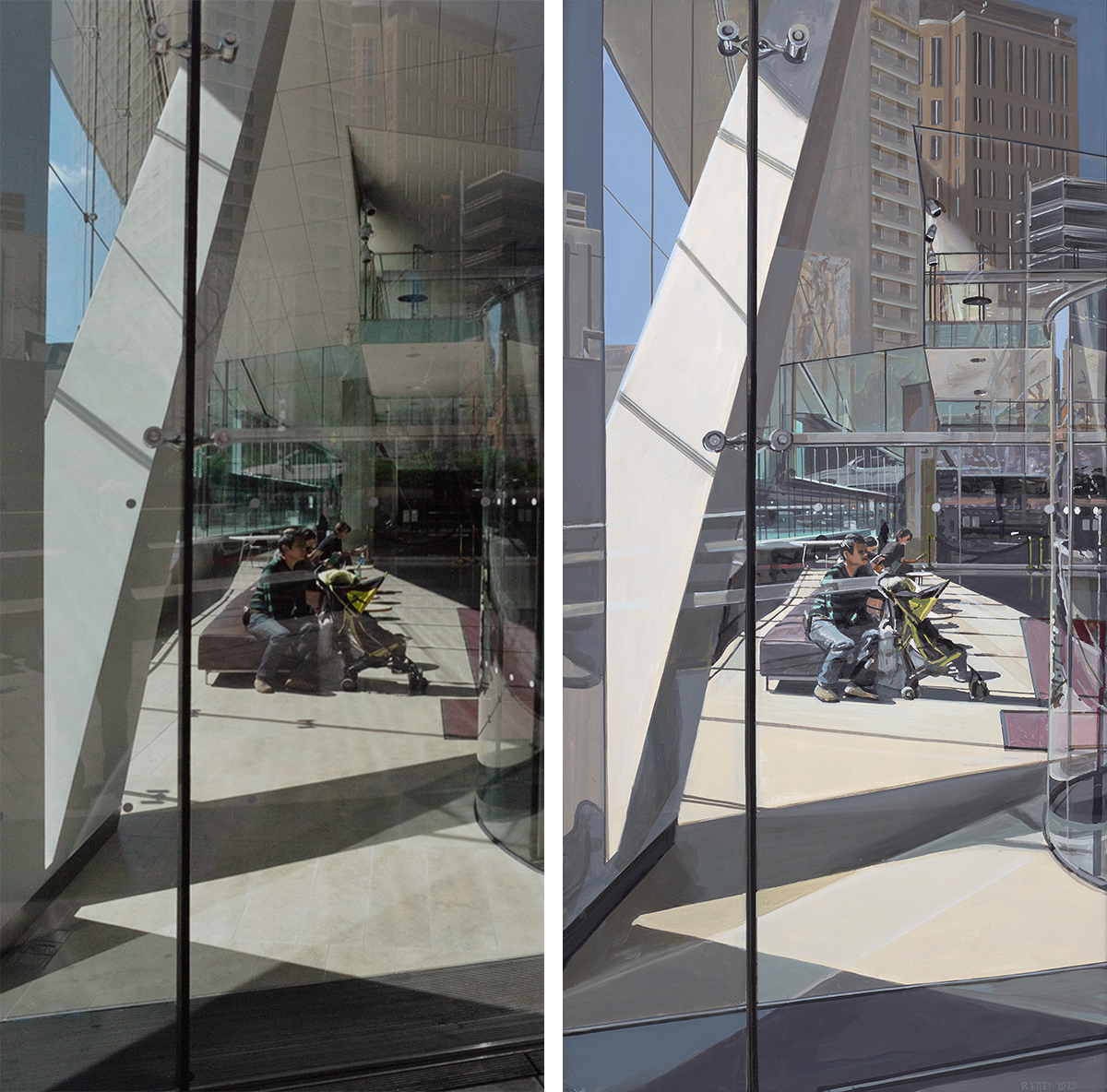
From Snapshot to Statement
For the digital generation, it is easy to forget that the camera was once an entirely manual instrument. “The camera has been a tool for me for a very long time,” says Estes. He recalls the earlier days, when taking a photograph meant the cumbersome ritual of setting up a tripod. Yet for him, technology has always been secondary. “The technology may change, but the act of looking remains important,” he insists.
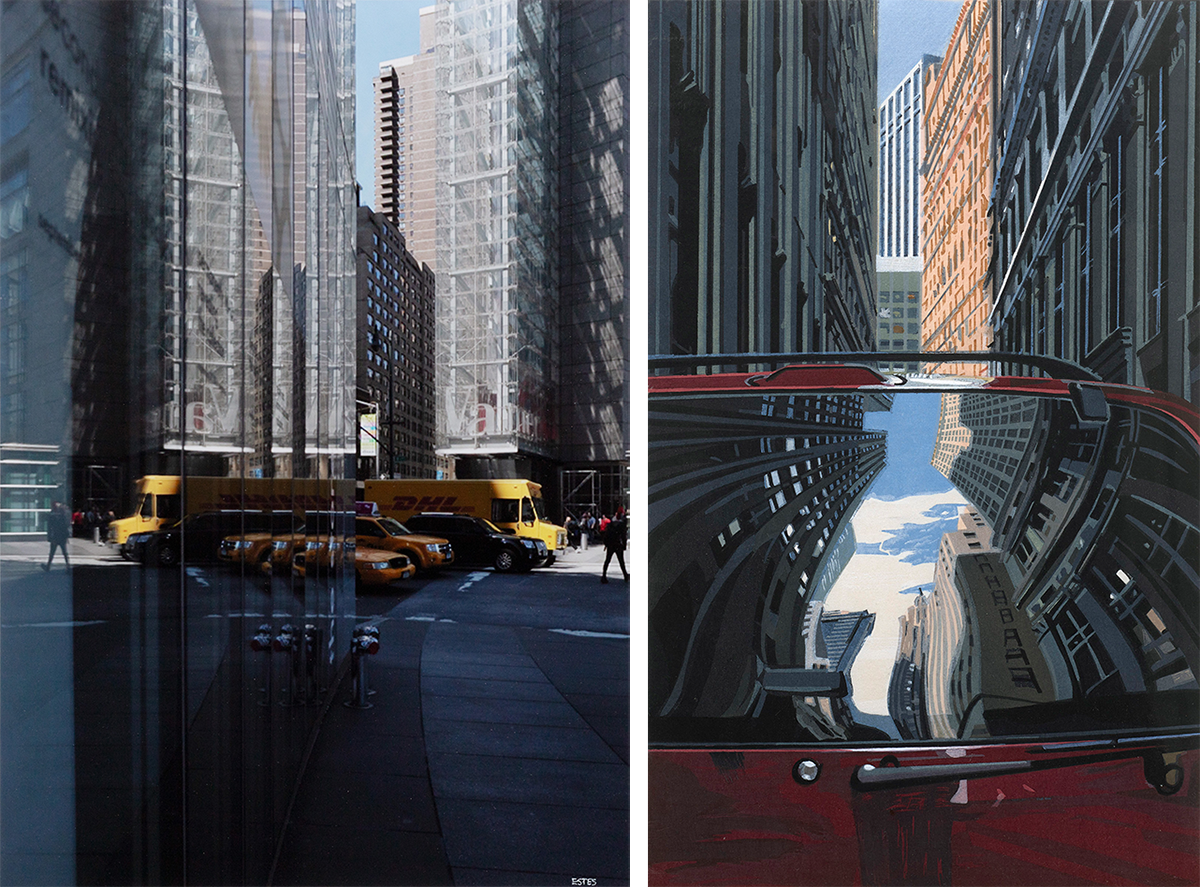
Estes gravitates toward subjects that uncover the hidden complexity of urban life: fleeting reflections, structural geometry, and the arresting interplay between light and architecture. He approaches his camera as a rigorous editor, guided by a philosophy that a photograph must possess a certain gravitas and compositional maturity before it warrants a translation into paint.
“A photograph can suggest a painting, but it doesn’t automatically become one,” he notes. “The image has to work as a painting.”
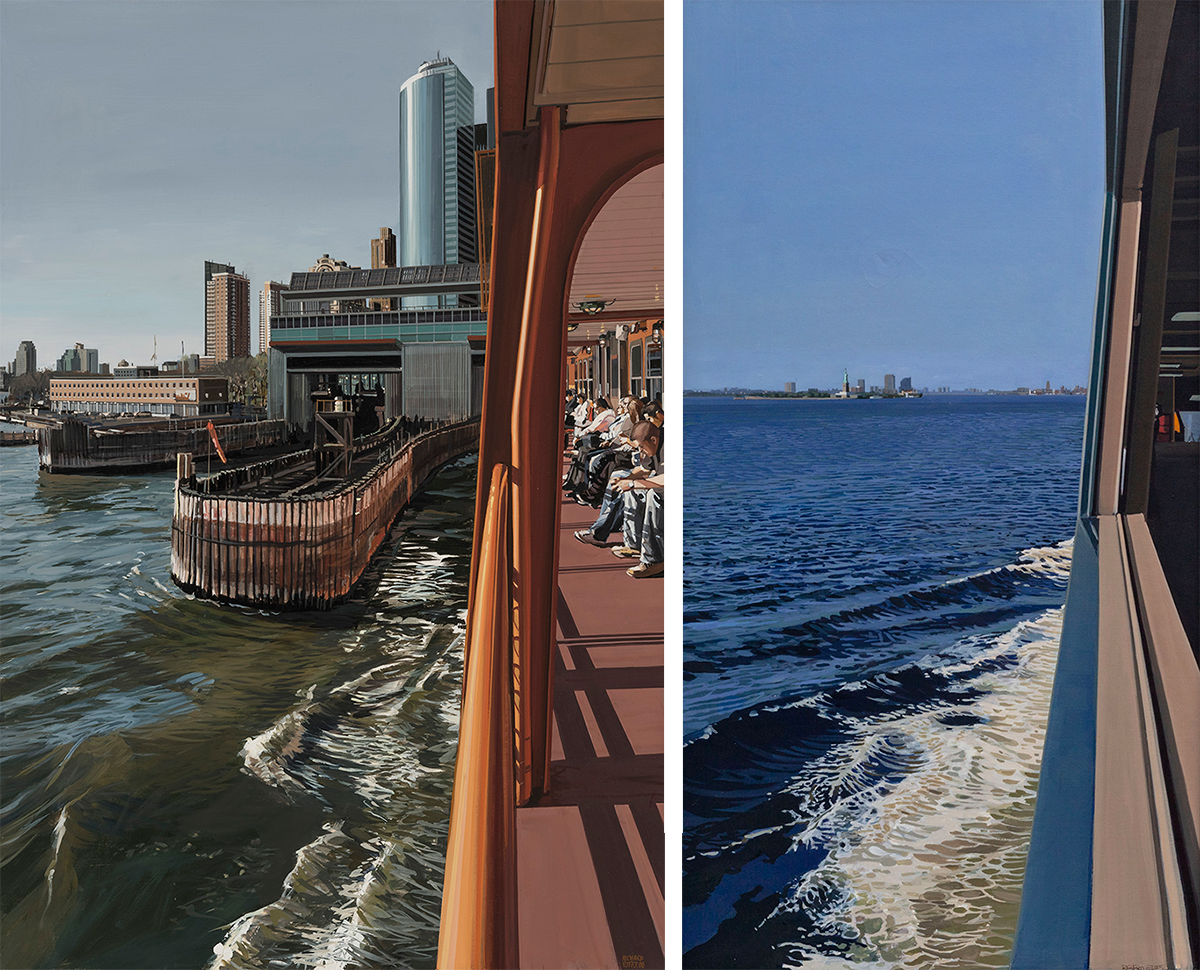
The Human Element in an AI Age
As the art world grapples with the manufactured flawlessness of AI, Estes’s philosophy feels increasingly relevant. While others worry about the obsolescence of the human hand, Estes remains unfazed, bolstered by the truth that art is, fundamentally, an exercise in subjective interpretation, a manifestation of human consciousness that transcends mere data and computation.
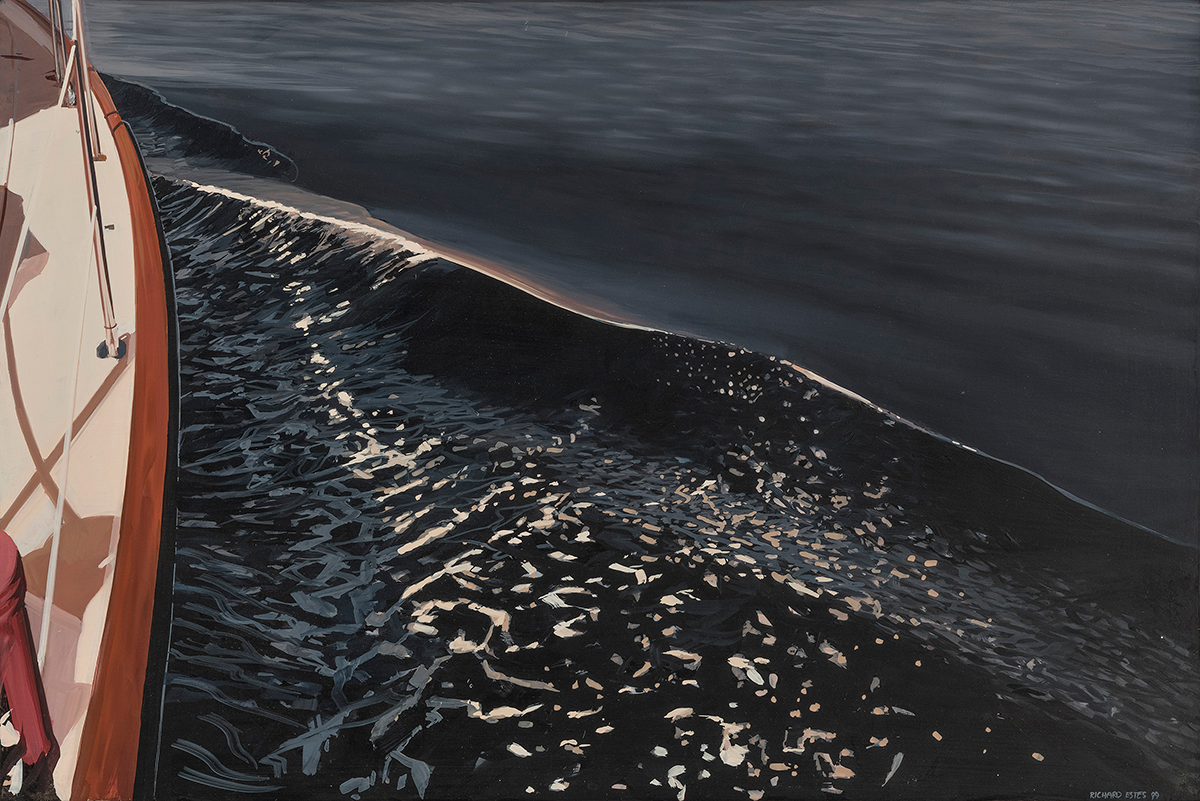
“Today there are many more tools available, including digital tools, but painting still involves observation and judgment,” he observes. “Ultimately, I’m interested in making an interesting picture, regardless of the technology involved.”
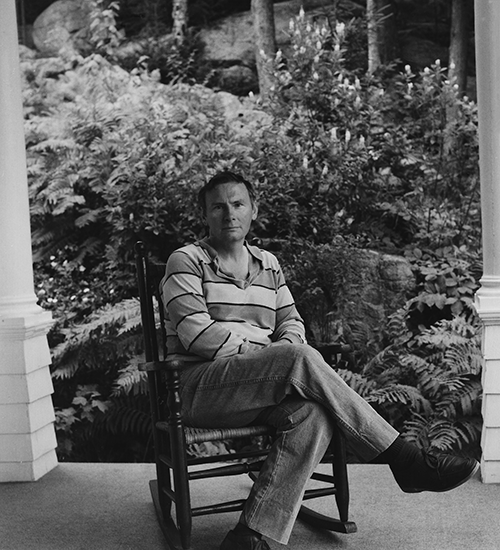
In the end, Richard Estes is not merely a recorder of city streets or a technician of light. He is a seeker. Whether he is holding a camera or a paintbrush, the goal remains unchanged. “I really just look at the world,” he says, “and try to understand it.”





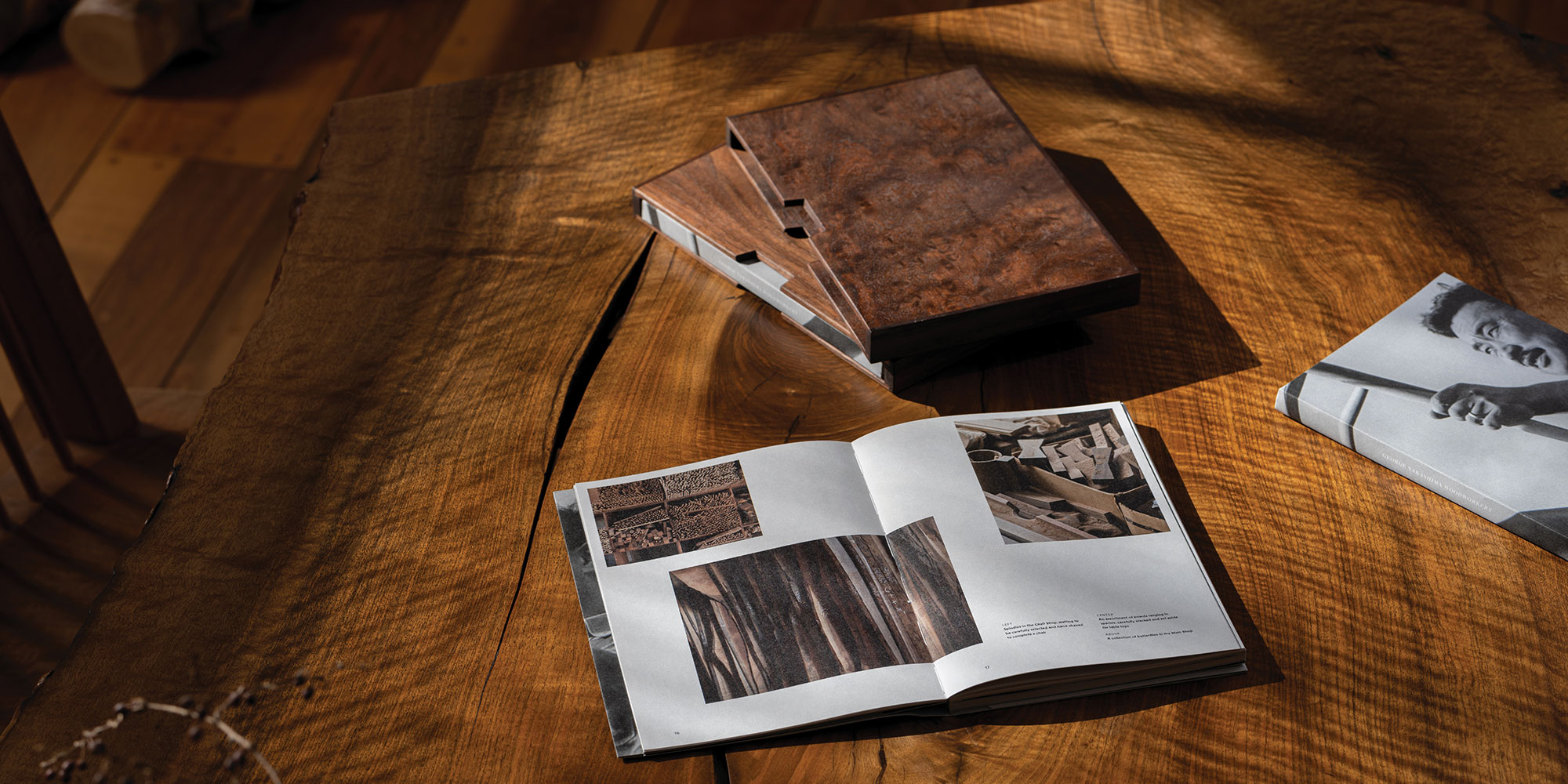
From Forest to Page: An Homage to George Nakashima
A stunning new volume sheds light on the craft of a pioneering furniture maker

