

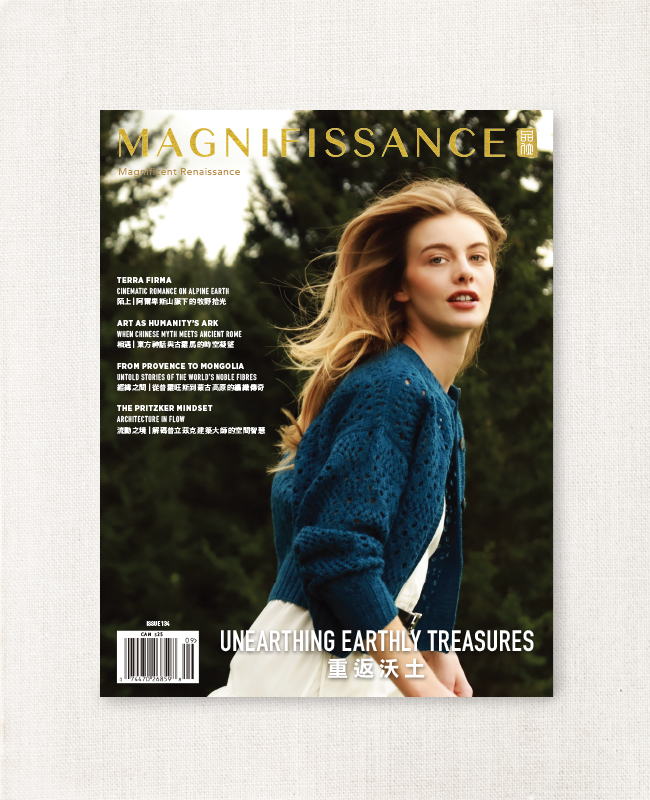
There is a gentle domesticity to autumn’s arrival. As September light lengthens and the fruits of the season ripen, we are reminded that true permanence belongs to the land. In this edition, we sit with the beauty of materials drawn directly from the Earth.
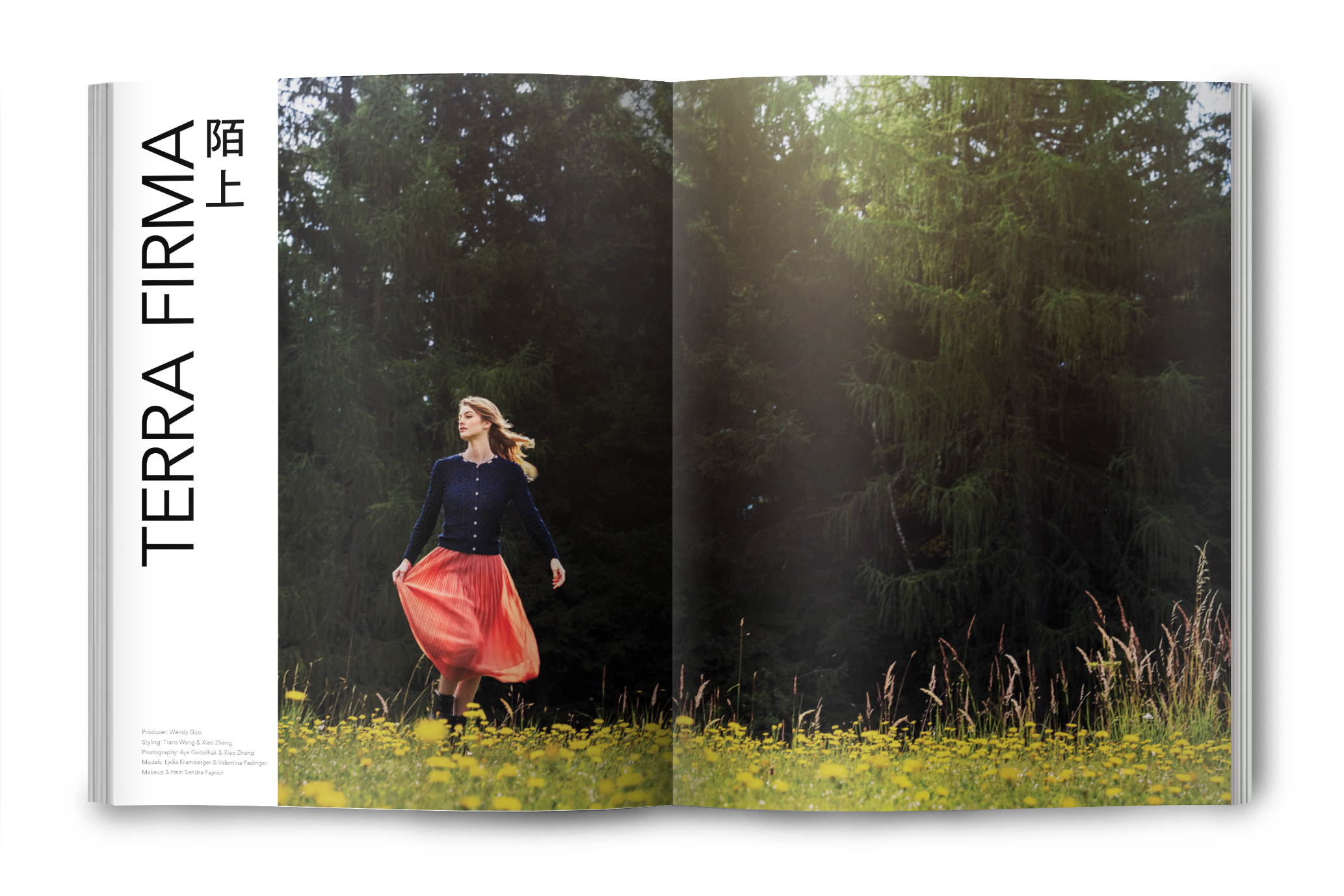
Our journey began in Graz, Austria’s second-largest city, a hidden gem in the alpine foothills, where life moves at an unhurried cadence. It was here, in sweeping mountain meadows where cattle graze and bells chime softly on the breeze, that we staged our seasonal fashion shoot. Using pure, natural wool, Austrian designer Michaela Buerger reimagines Alpine traditions through the art of hand-knitting. Each garment offers a tactile connection to time and place. Surrounded by this pastoral stillness and swathed in tactile comfort, we are reminded of what we truly crave: things that feel authentic, grounded, and beautifully real.
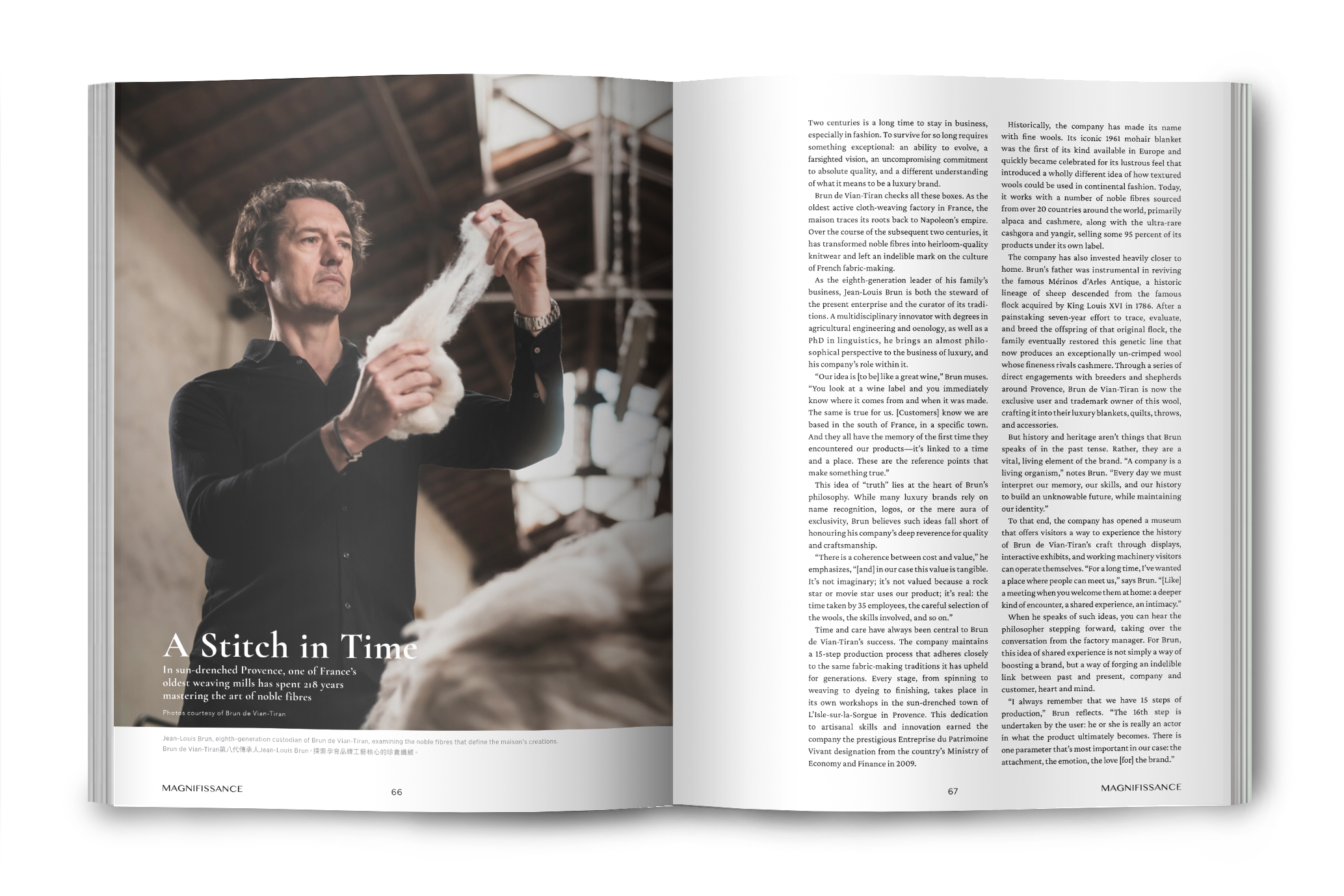
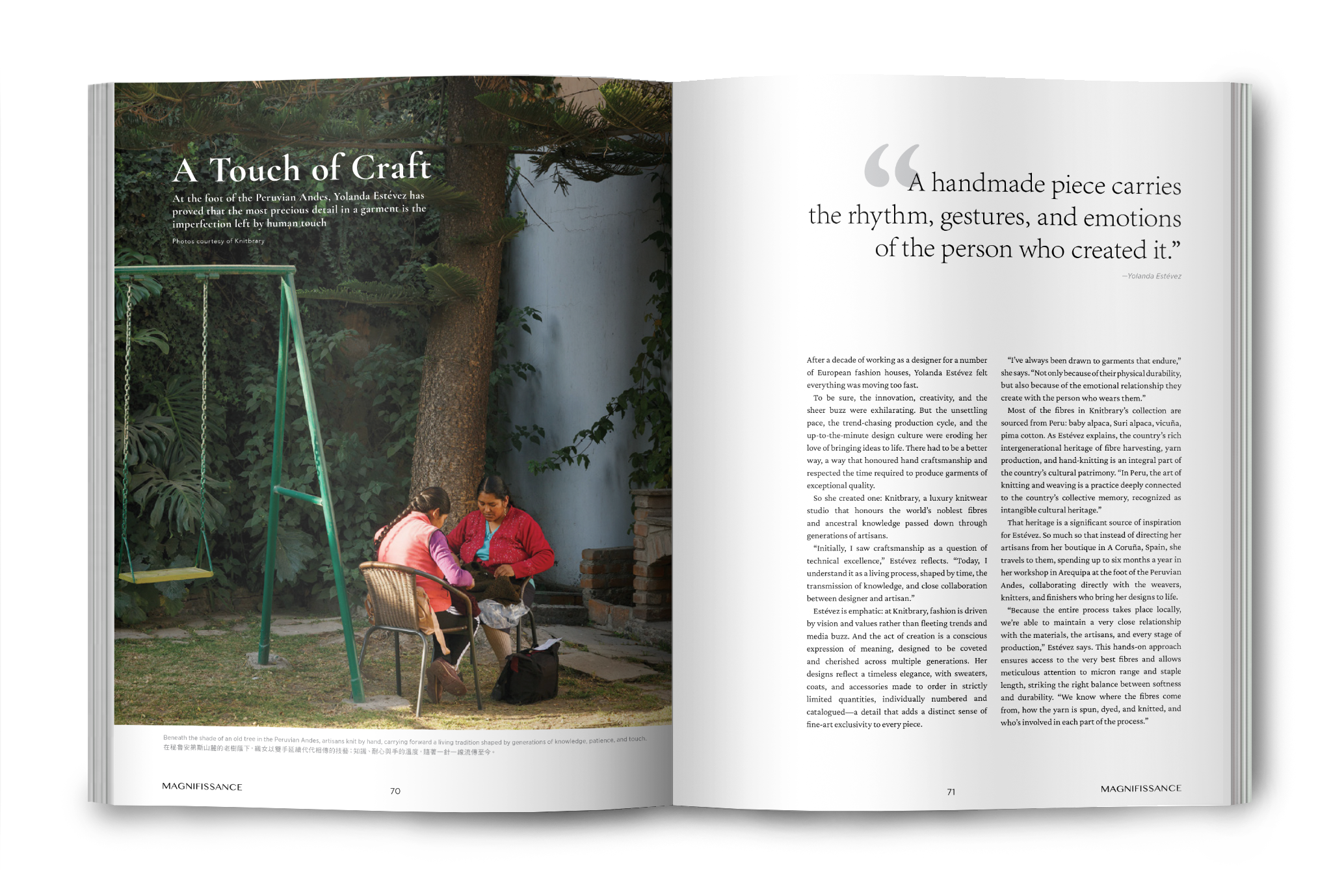
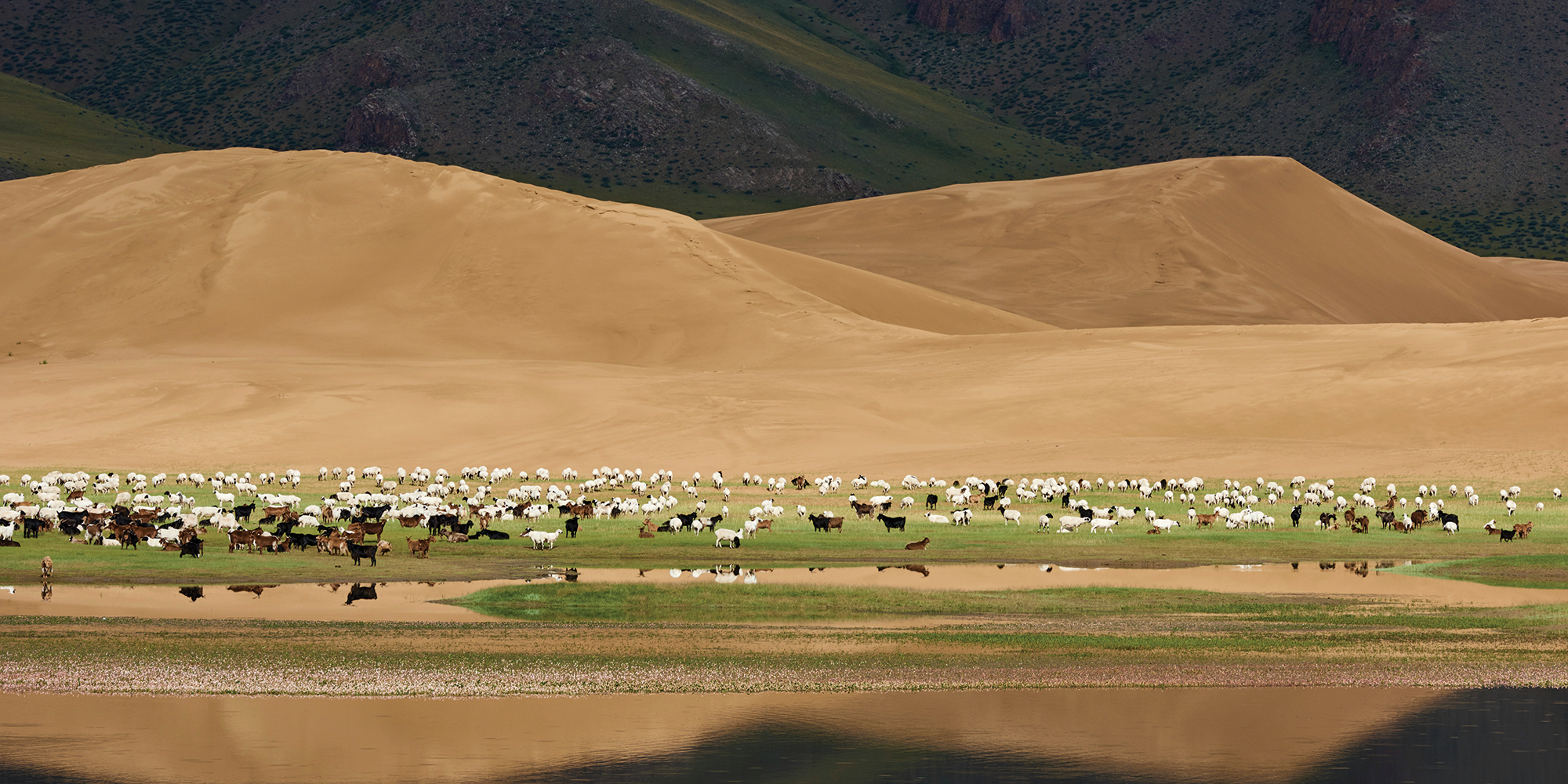
Carried from the Mongolian steppe and across Pacific winds, raw cashmere and wool possess an organic vitality that no factory can replicate. We step inside the studios of makers devoted to keeping that natural soul intact. Deep in Provence, a centuries-old French mill has spent seven painstaking years restoring the Mérinos d’Arles Antique, a historic breed linked to Louis XVI’s 1786 royal flock. In London, Oyuna Tserendorj translates the infinite freedom of her native Mongolian plains into architectural cashmere pieces designed to bring restful solace to urban life. And at the foot of the Peruvian Andes, Yolanda Estévez proves that the true luxury of a garment lies in the gentle imperfections of human hands.
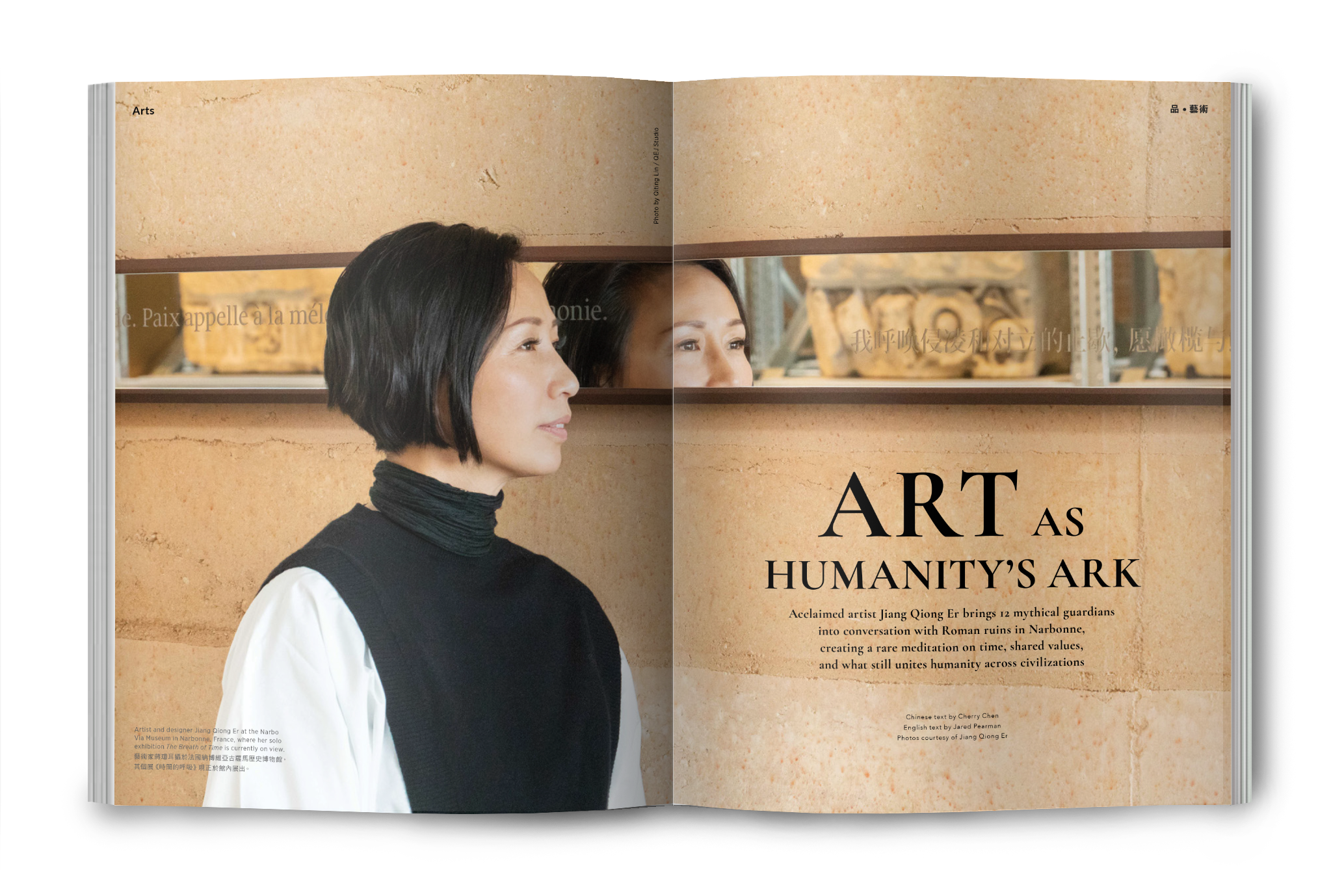
This reverence for earth-born materials echoes across epochs. Just as prehistoric painters at Lascaux and the ancient masters of Dunhuang’s Mogao Caves used vibrant earth pigments to render human consciousness onto stone, artist Jiang Qiong Er revives the medium for our time. By layering raw mineral pigments onto twelve guardian creatures drawn from world mythologies, her installation The Breath of Time, at the Narbo Via Museum, places primal earth in conversation with classical Roman antiquity, and reminds us that our deepest cultural memories remain rooted in the crust of the planet.
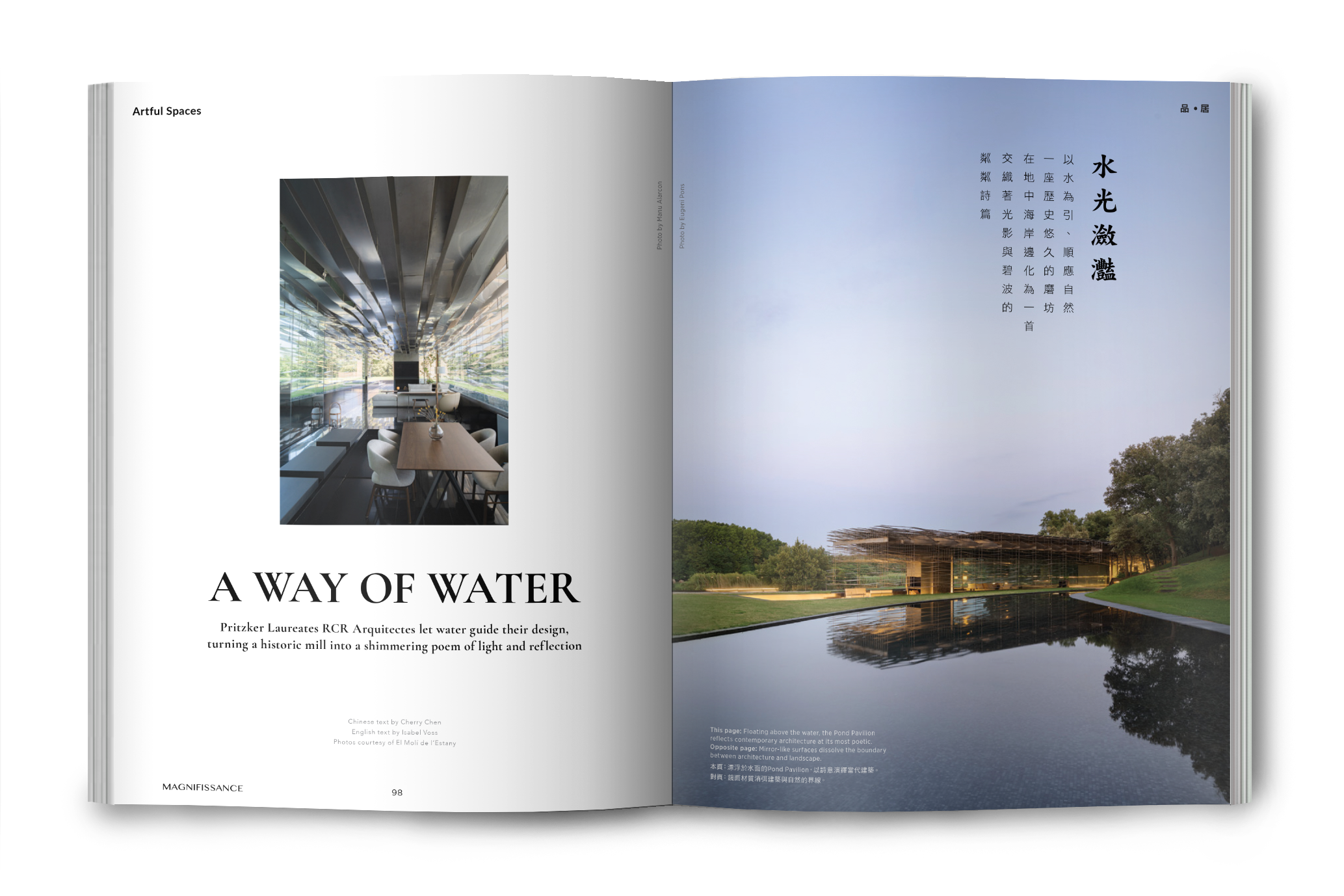
We find that same reverence in modern architecture. In the Girona countryside, Pritzker laureates RCR Arquitectes designed El Molí de l’Estany as a living homage to an ancient pond long native to the site. Constructed in textured steel, the building catches and refracts the surrounding elements: water, sky, woodland, and the distant hills.
As autumn’s oblique sunlight beckons toward unwritten horizons, I recall Saint-Exupéry’s words: “The earth teaches us more about ourselves than all the books.” May this volume accompany you as a token of discovery, elevating the senses and realigning the spirit with the provenance of the Earth.






Once Upon a Time
Shen Yun Dancer Yi Li’s life seems to have jumped out of the fairytales she learned while growing up in Germany.

