

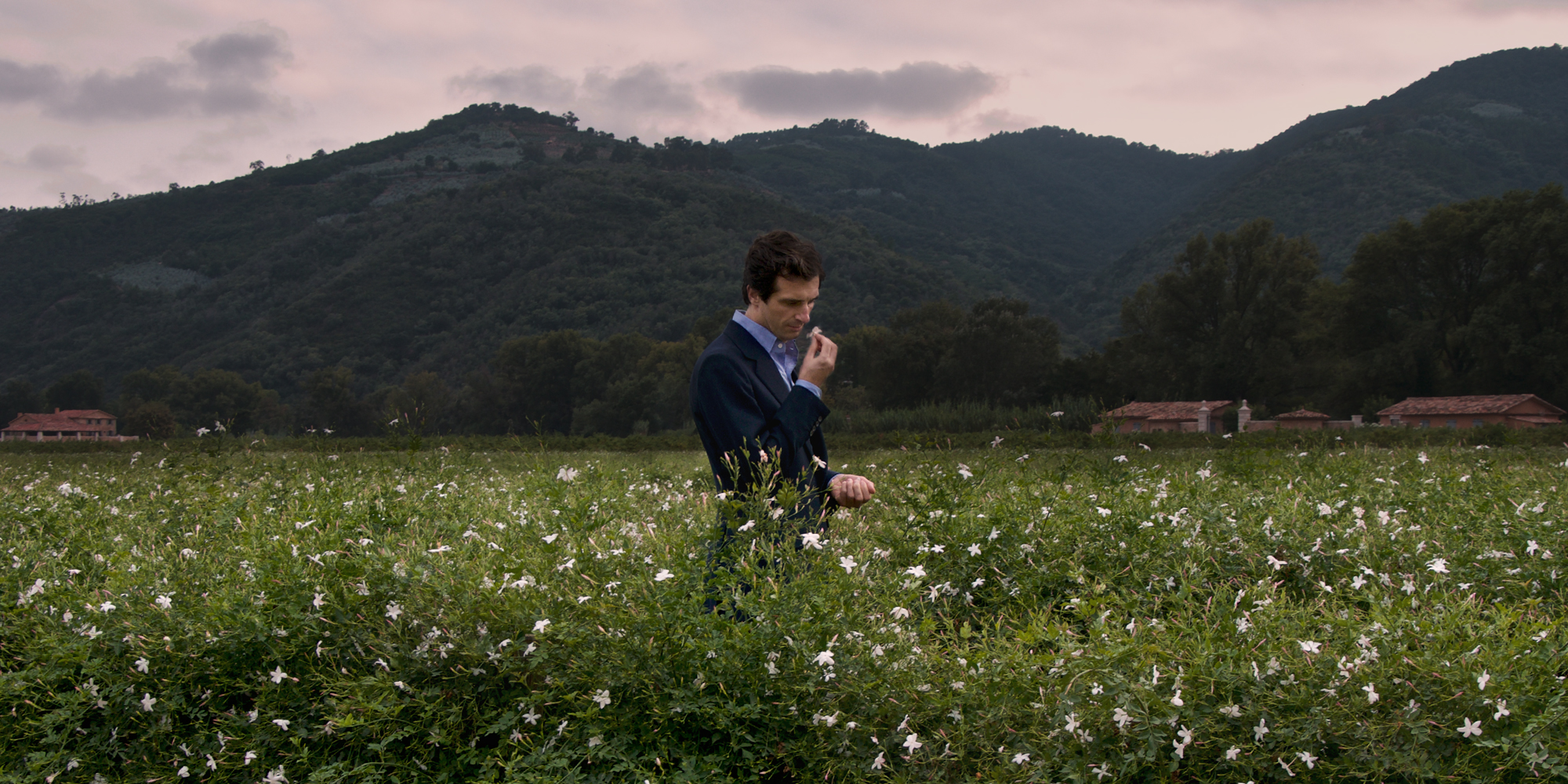
Since 1921, Chanel No. 5 has been inseparable from the fields of Grasse, a sunlit town perched in the hills above the French Riviera, where the air carries the mingled scent of sea and flora. It is here, in this fragrant heartland of perfumery, that the flowers that form the perfume’s iconic composition have been cultivated for a century.
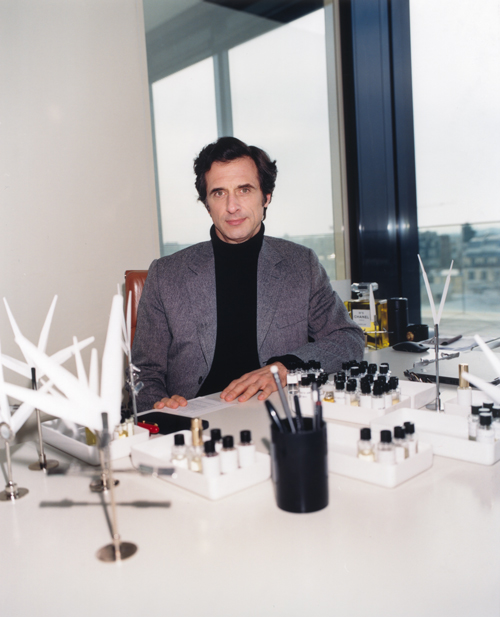
“My memories of Grasse are tied to holidays by the sea,” says CHANEL perfumer Olivier Polge. Just a dozen kilometers from the Mediterranean, the town’s air carries both marine freshness and the scent of every plant it brushes along the way.
In a short film by Chanel and NOWNESS, Polge is joined by Chinese actresses Ning Chang and Ma Yinyin, and the art journalist Cao Dan, visiting Grasse to trace the origins of No. 5 and explore how the place itself shapes the fragrance.
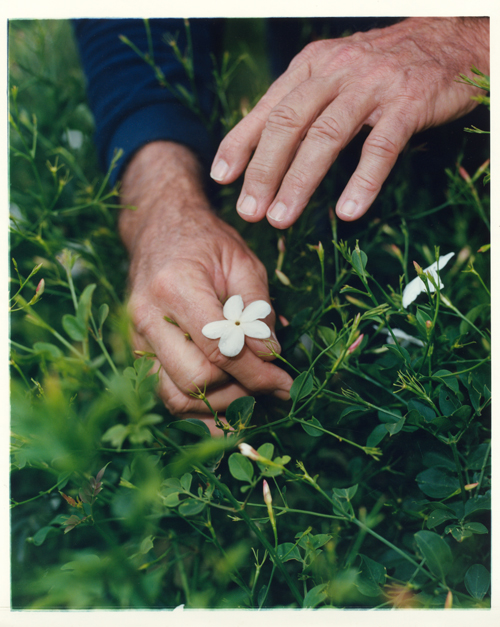
“I am very familiar with flowers,” says Yinyin, walking through the expansive jasmine fields at the heart of the perfume. The sight calls her back to her childhood in Kunming, Yunnan, though the jasmine here carries a different energy. “But also, I truly feel that different lands nurture different people. The jasmine here is quite different from any I’ve encountered before.” Polge nods: Grasse’s particular combination of mild climate, soil, and local ecology imbues its jasmine with a delicacy that cannot be reproduced.
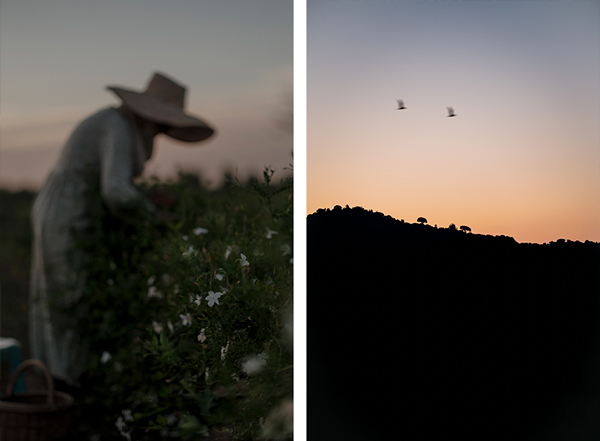
Dan reflects on a similar idea in Chinese philosophy, invoking terroir and the ancient text Rites of Zhou: “Heaven has its timing, Earth its energies, materials their beauty, and craftsmen their skill.”
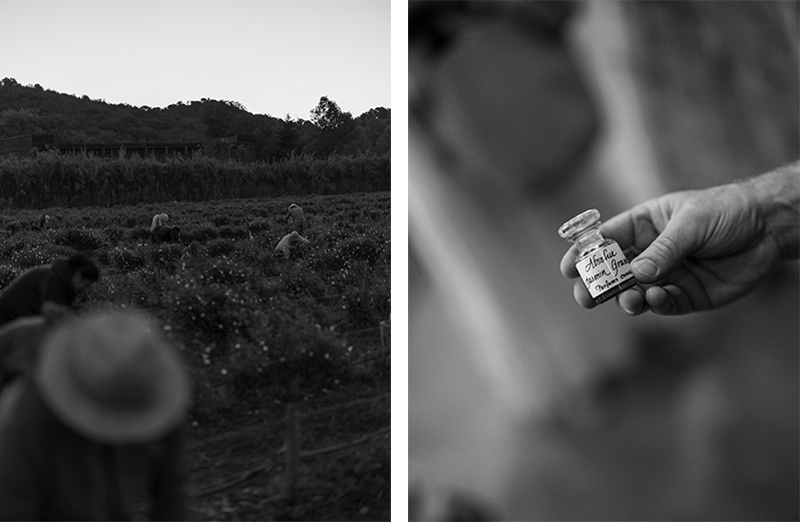
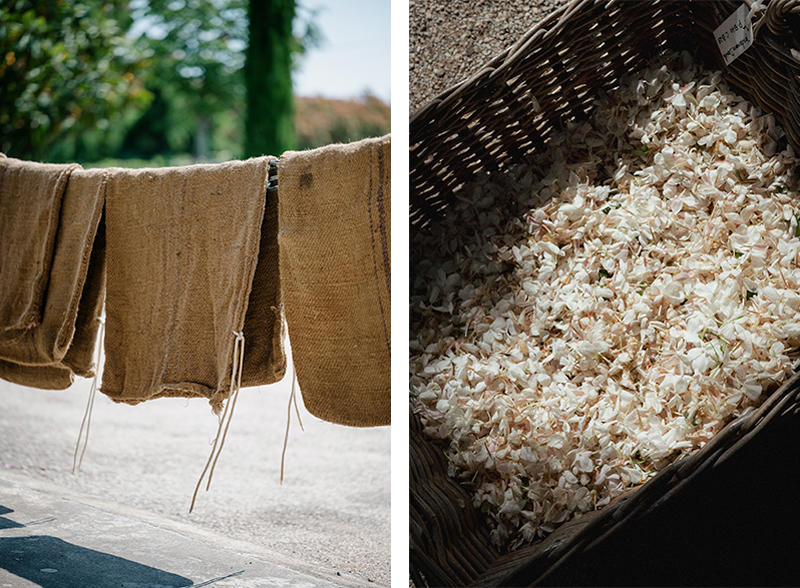
In Grasse, as in this philosophy, creation is cumulative between human and Earth: the workers who tend the fields through the four seasons, the pickers who gather the petals in spring and summer, the artisans who blend and bottle, each step a careful practice of attention and skill. Each stage is its own craft, and together they produce a work greater than the sum of its parts, a collaboration between human care and the generosity of the land.
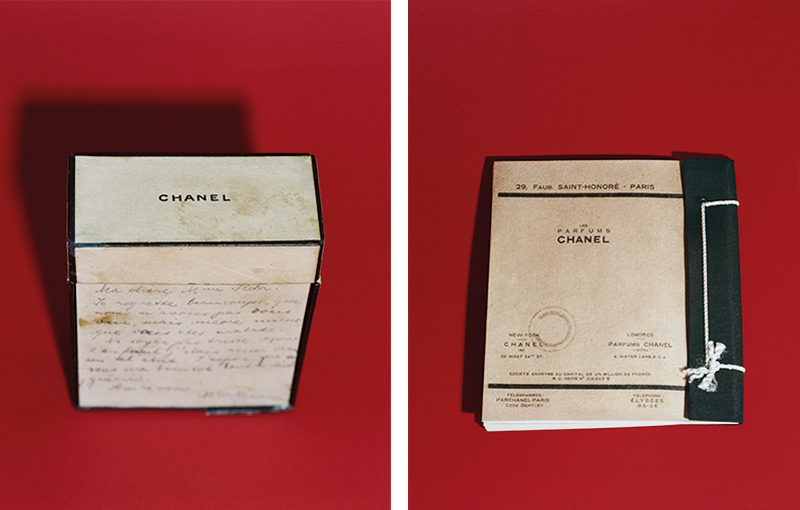
And yet, the story does not end with the bottle. Each wearer engages in a quiet alchemy with the perfume, a dialogue that is unique, fleeting, intimate. “A kind of ‘marvellous chemistry’ occurs between each individual wearer and their perfume,” says Polge. Yinyin, reflecting on the labor, care, and lineage embedded in every bottle, adds, “It is no longer just a bottle of perfume. Chanel No. 5 is a legacy, carried forward through time.”
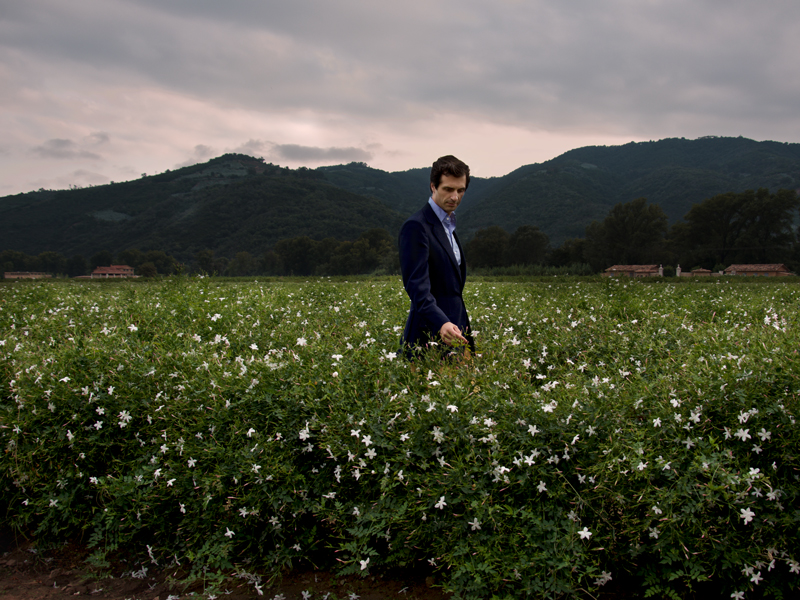
In Grasse, the hills and fields themselves seem to keep time, carrying forward a century of fragrance, memory, and human devotion.




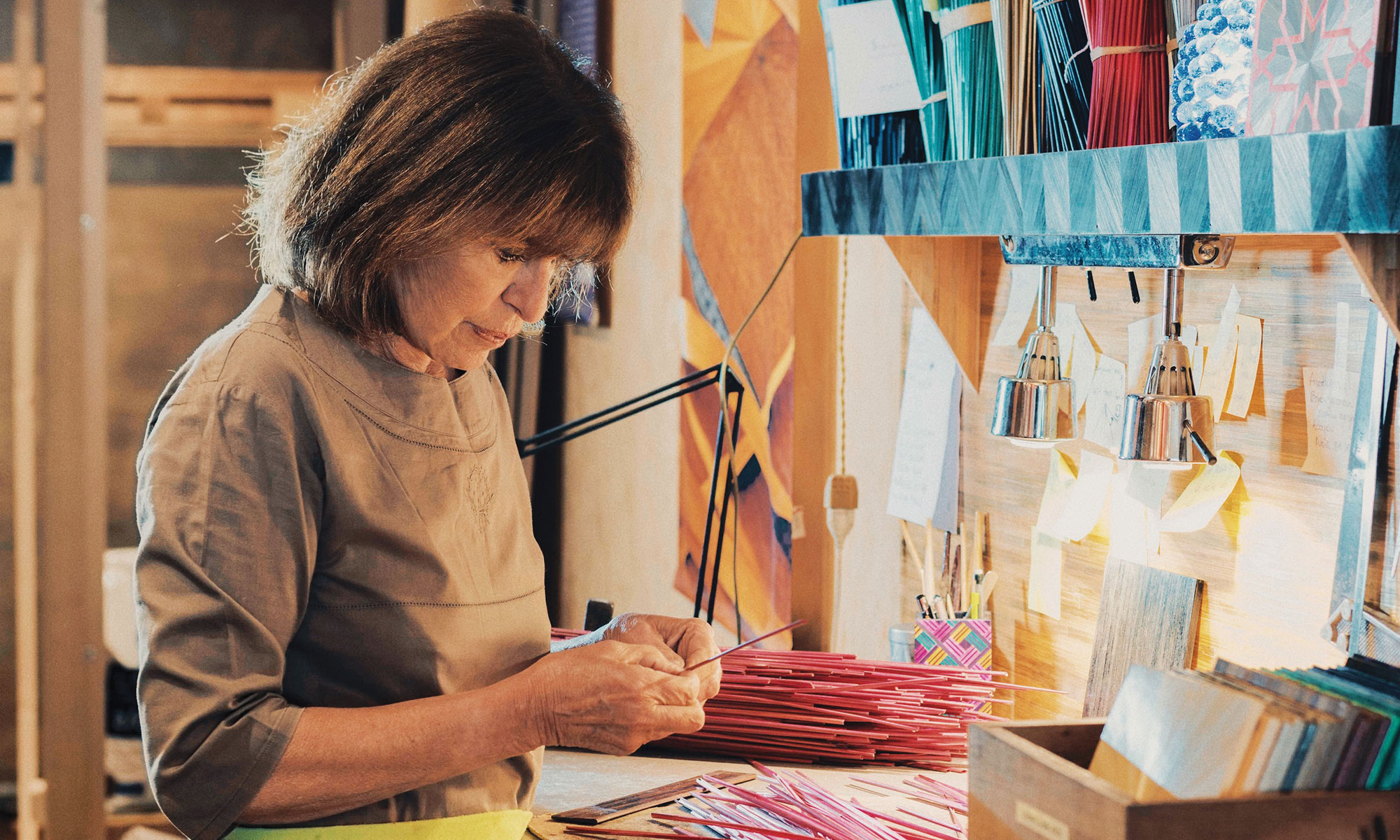
The Beauty of Straw Marquetry
Lison de Caunes, one of France’s honoured Maitres d’Art creates luxury décor with a material once known as ‘the gold of the poor’.


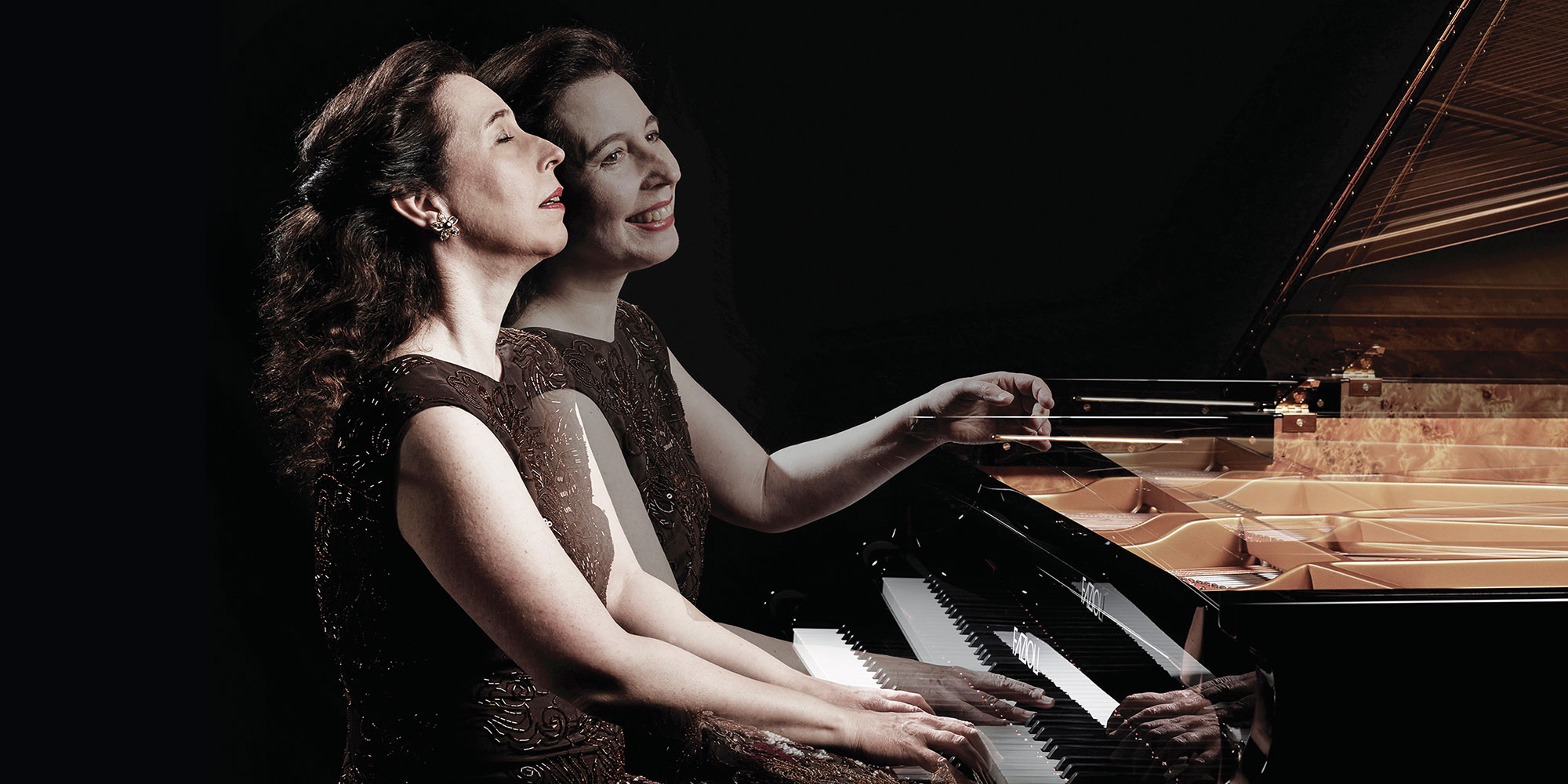
Interview With Angela Hewitt
A world-renowned Bach pianist reveals how the maestro’s divine intentions and multilayered harmonies can help us transcend life’s challenges.

