

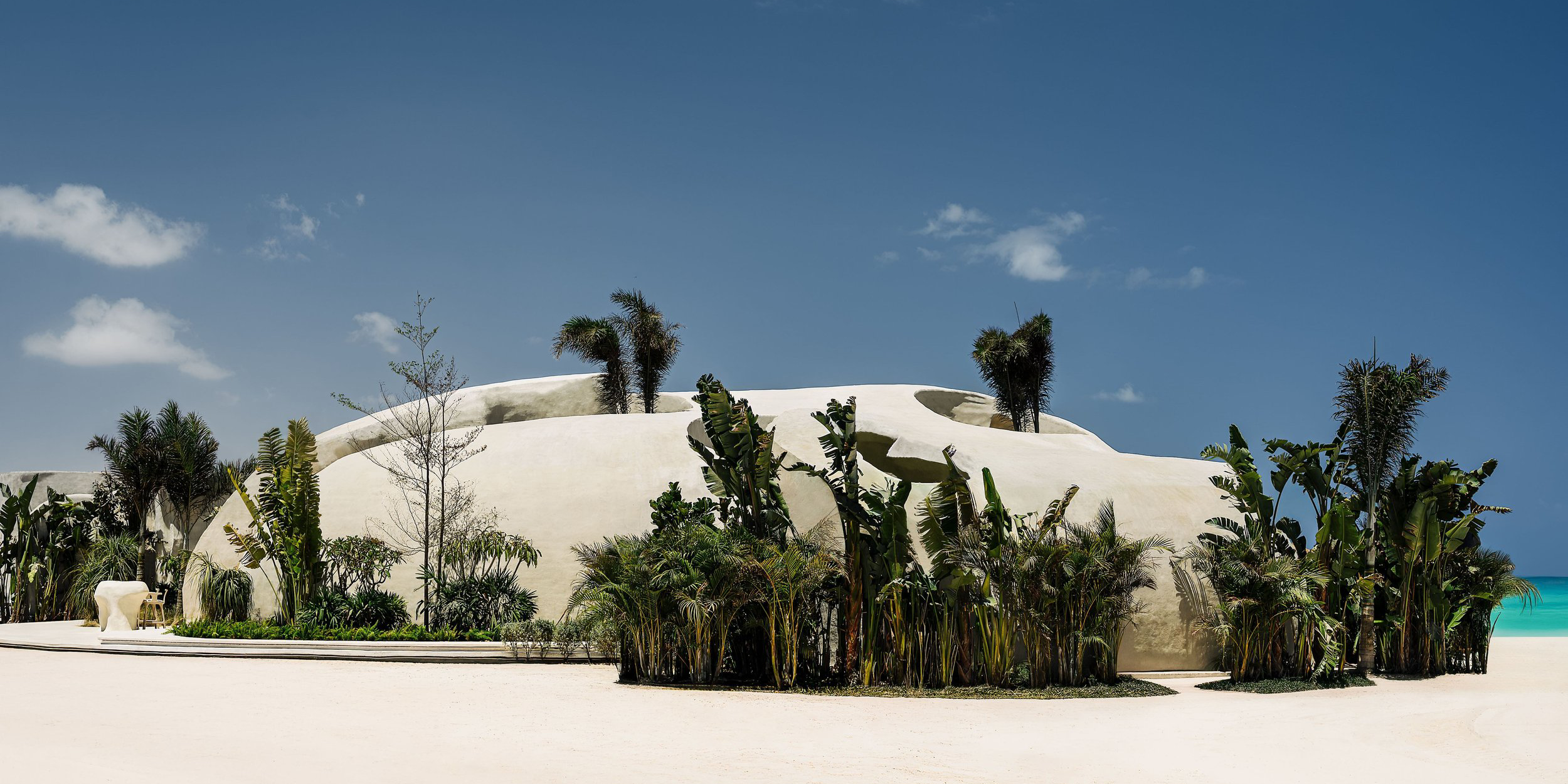
There is a curious paradox in the act of dining out: we enter a public room in order to have our most private experiences. We remember a love affair, a betrayal, or a sudden stroke of luck not only by the formulation of the sauce on our plate, but also by the shade of the velvet on the banquette, or the way the afternoon light hits the linoleum. This delicate intersection of geometry and human memory is the true subject of the Prix Versailles, which has just released its annual ledger of the world’s 16 most beautiful restaurants for 2026.
The list, which spans from the austere minimalist counters of Florida to the airy, sun-bleached pavilions of Rodeo Drive, reads like an inquiry into how physical space shapes human intimacy. It reminds us that architecture is not merely a container for a meal, but the invisible syntax that gives the evening its meaning.
“The world encompasses such an immense variety of flavours that it continuously compels us to expand our vision of culinary heritage,” said Jérôme Gouadain, Secretary General of the Prix Versailles. “Architecture both serves and is inspired by that vision.”
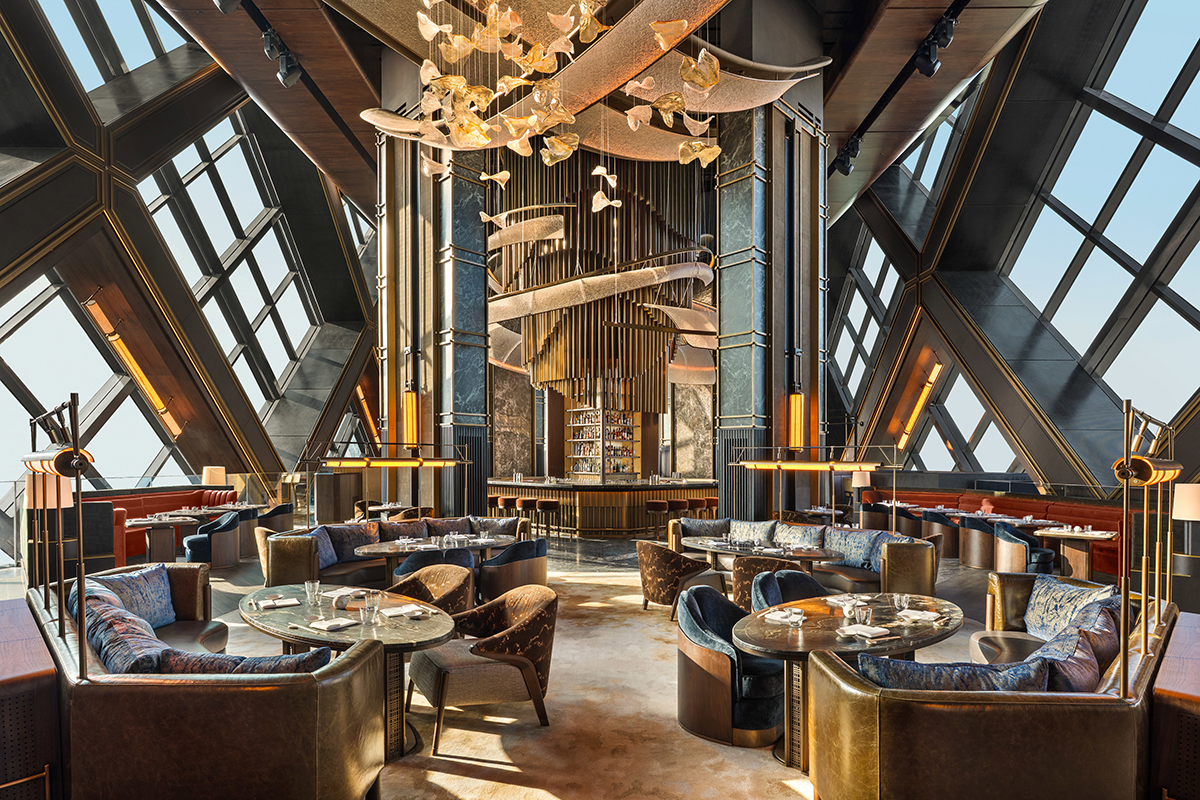
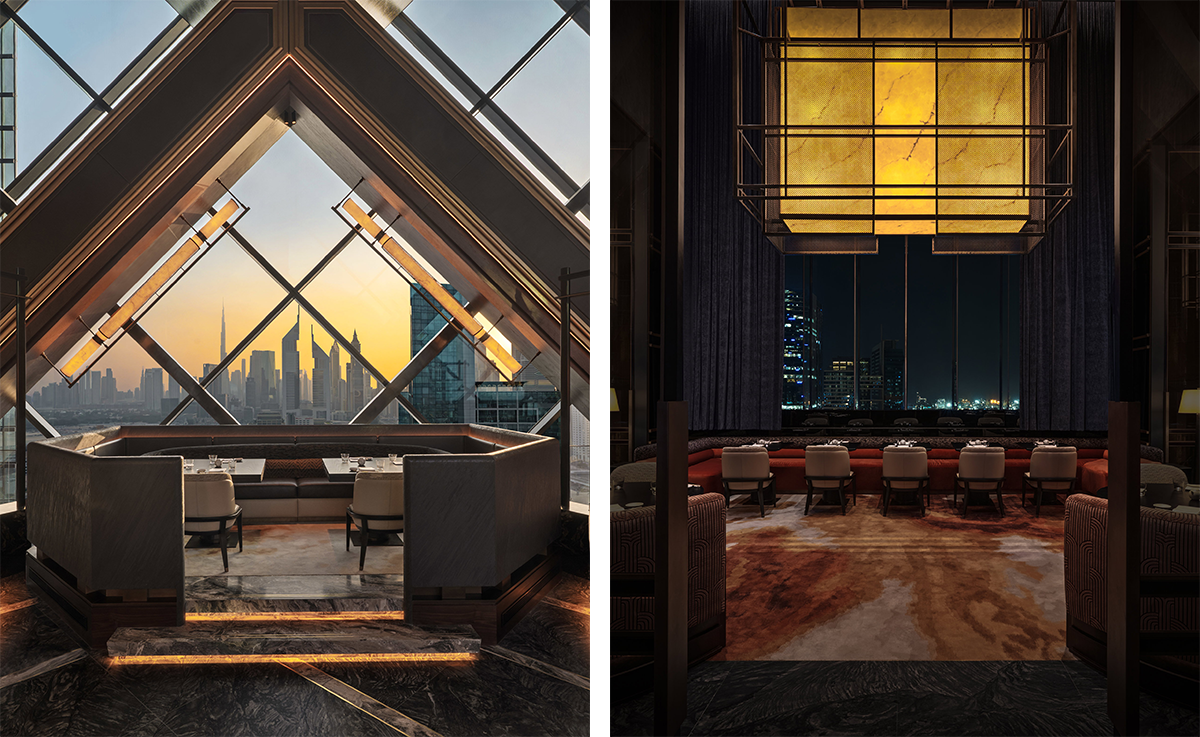
To look at the roster is to see the restaurant as a theater of displacement. In Dubai, the Rockwell Group has suspended Nobu One Za’abeel within a sky concourse that hangs between two towers like a glass bracket in the clouds. The room’s soaring verticality and intersecting geometric lines are meant to echo Chef Nobu Matsuhisa’s signature culinary leap, the bridging of Japan and South America, though the primary sensation is one of sheer, high-altitude bravado.
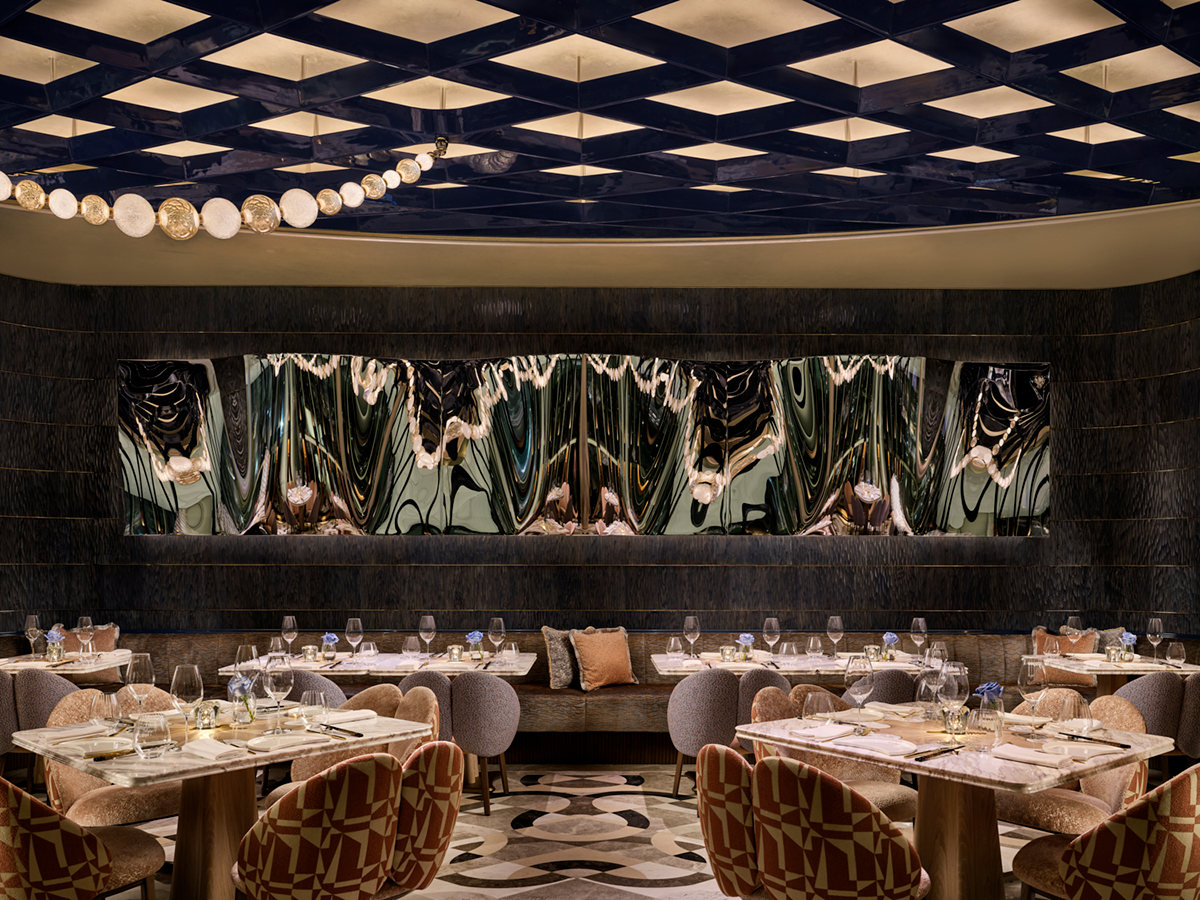
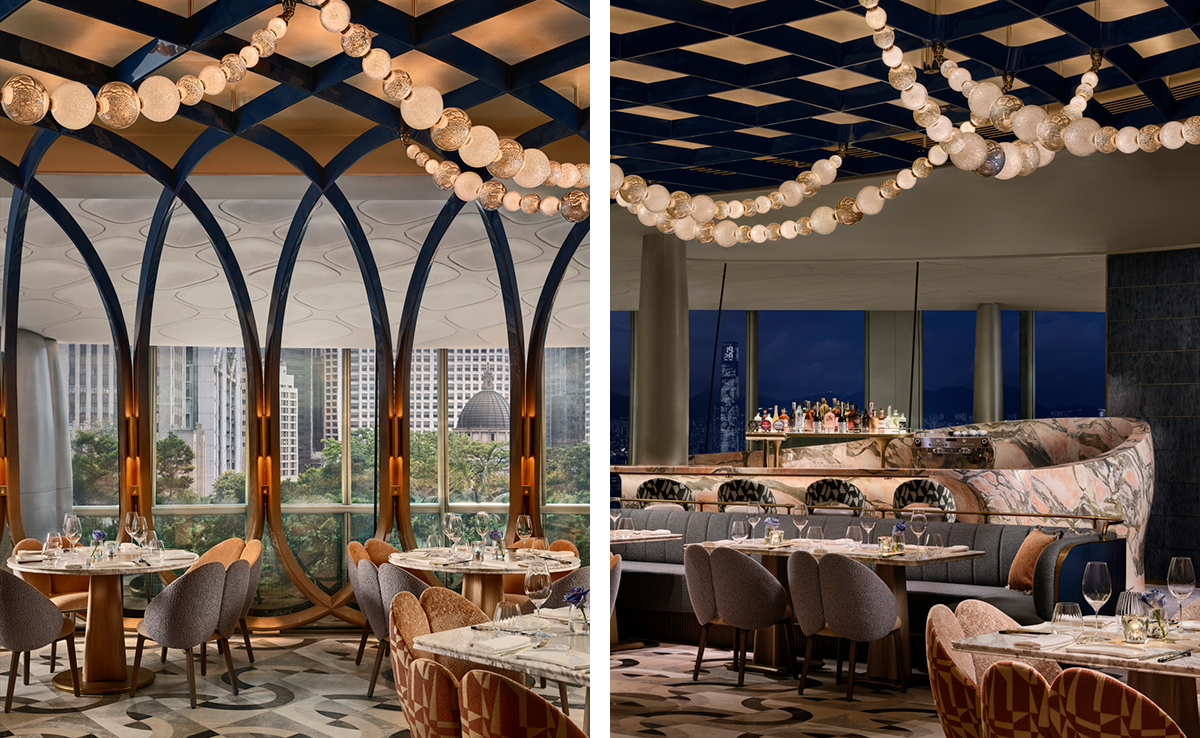
In Hong Kong, the pursuit of the upper atmosphere continues inside the Zaha Hadid-designed Henderson tower, where two concepts vie for the clouds. At Akira Back, Hadid’s signature fluid geometry is tempered by intimate, nook-like enclaves designed to reflect the chef’s Korean-Japanese lineage.
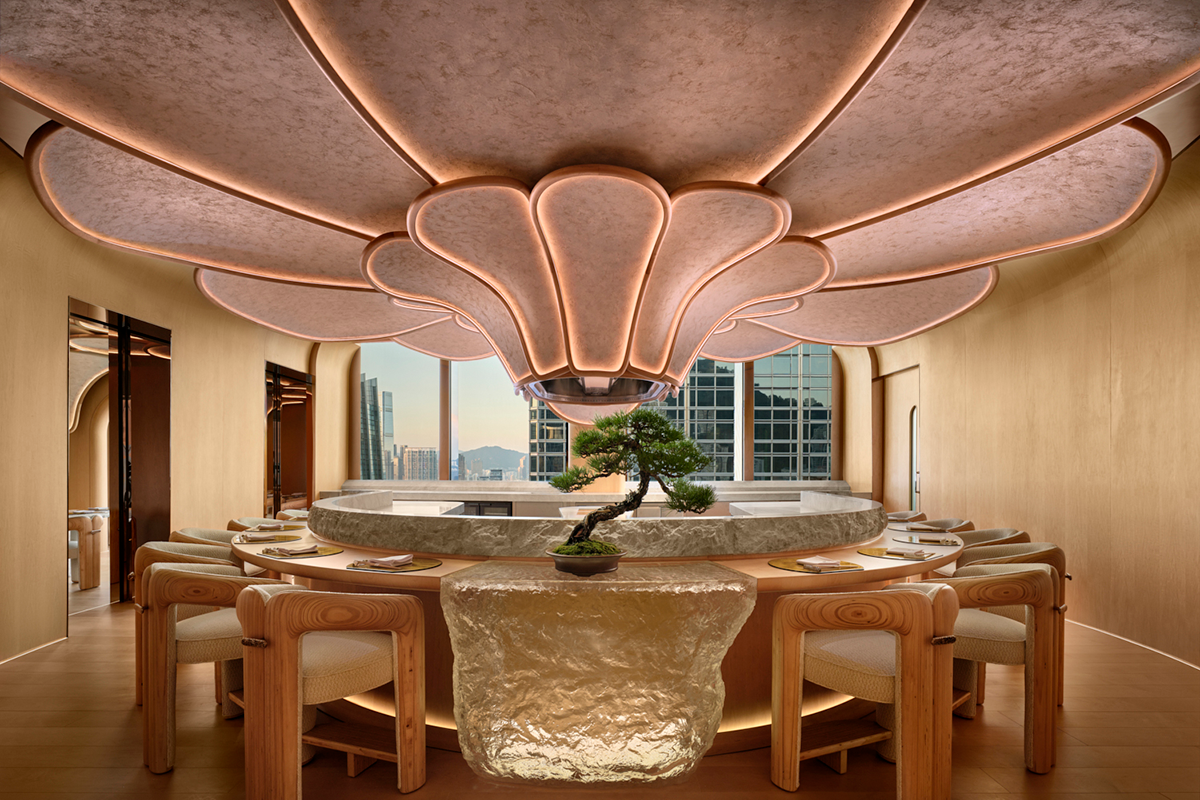
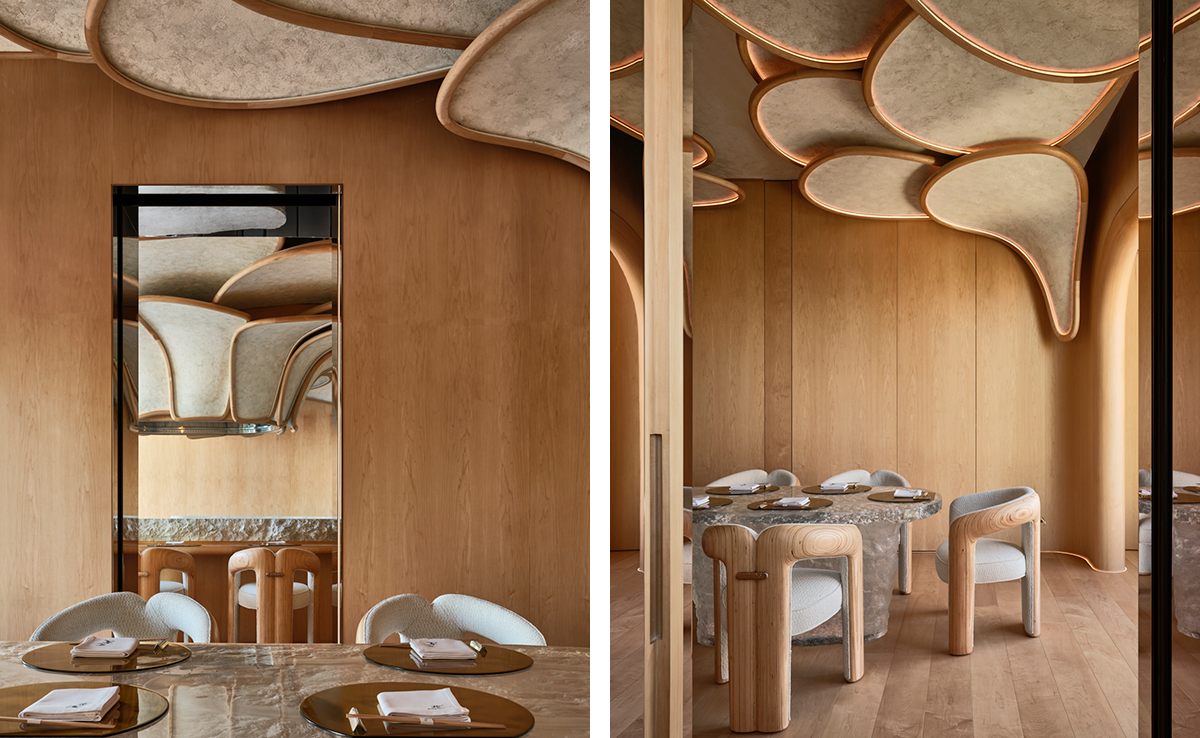
Next door, Hana no Kumo perversely attempts to recreate the isolation of a mountain retreat several dozen stories in the air, relying on the tenets of shokunin, a devotion to craft, with muted timber, textured washi paper, and petal accents that mimic a sakura canopy.
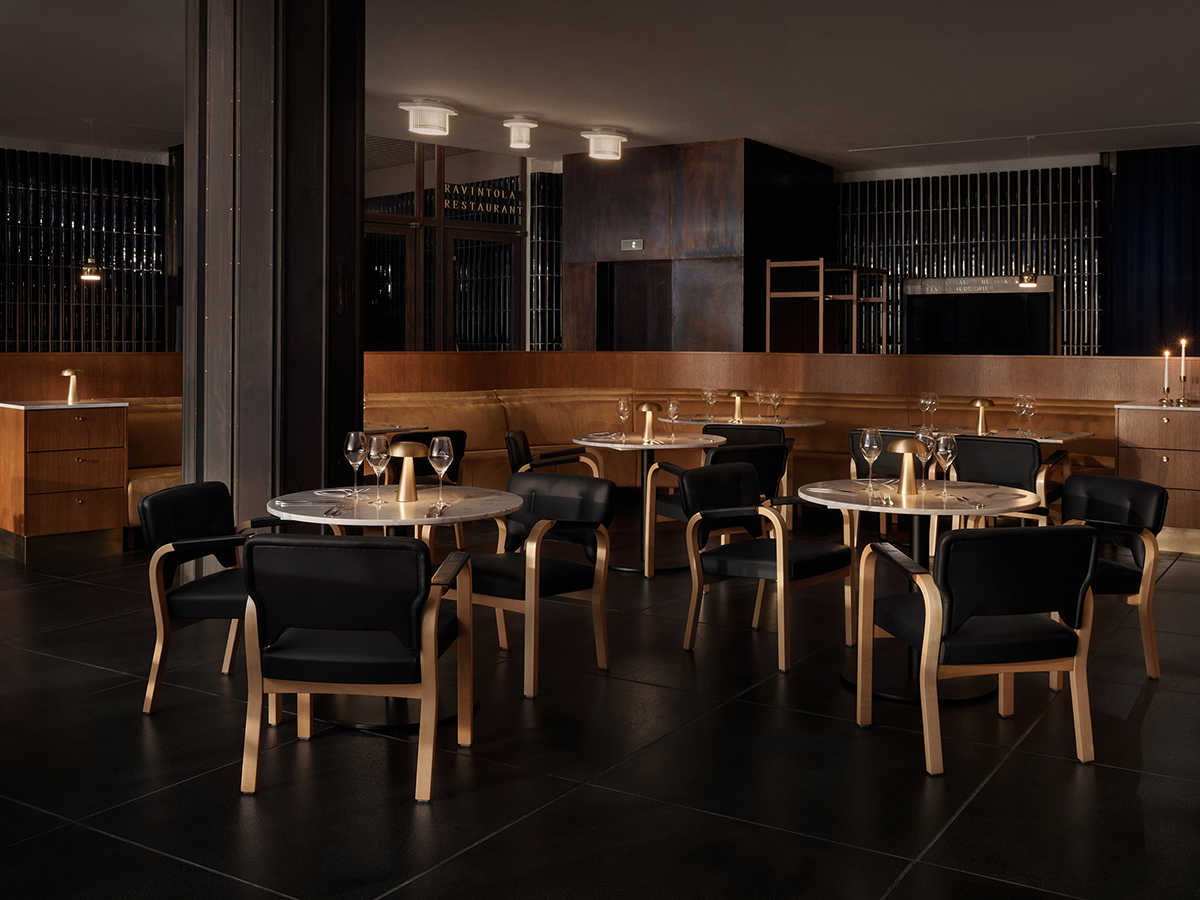

If the Asian and Middle Eastern selections favor the vertical future, the European entries lean into the comforts of the horizontal past. In Helsinki, the Finlandia Bistro sits inside Alvar Aalto’s landmark Finlandia Hall, meticulously restored to preserve the cool, democratic humanism of 1970s Finnish modernism.
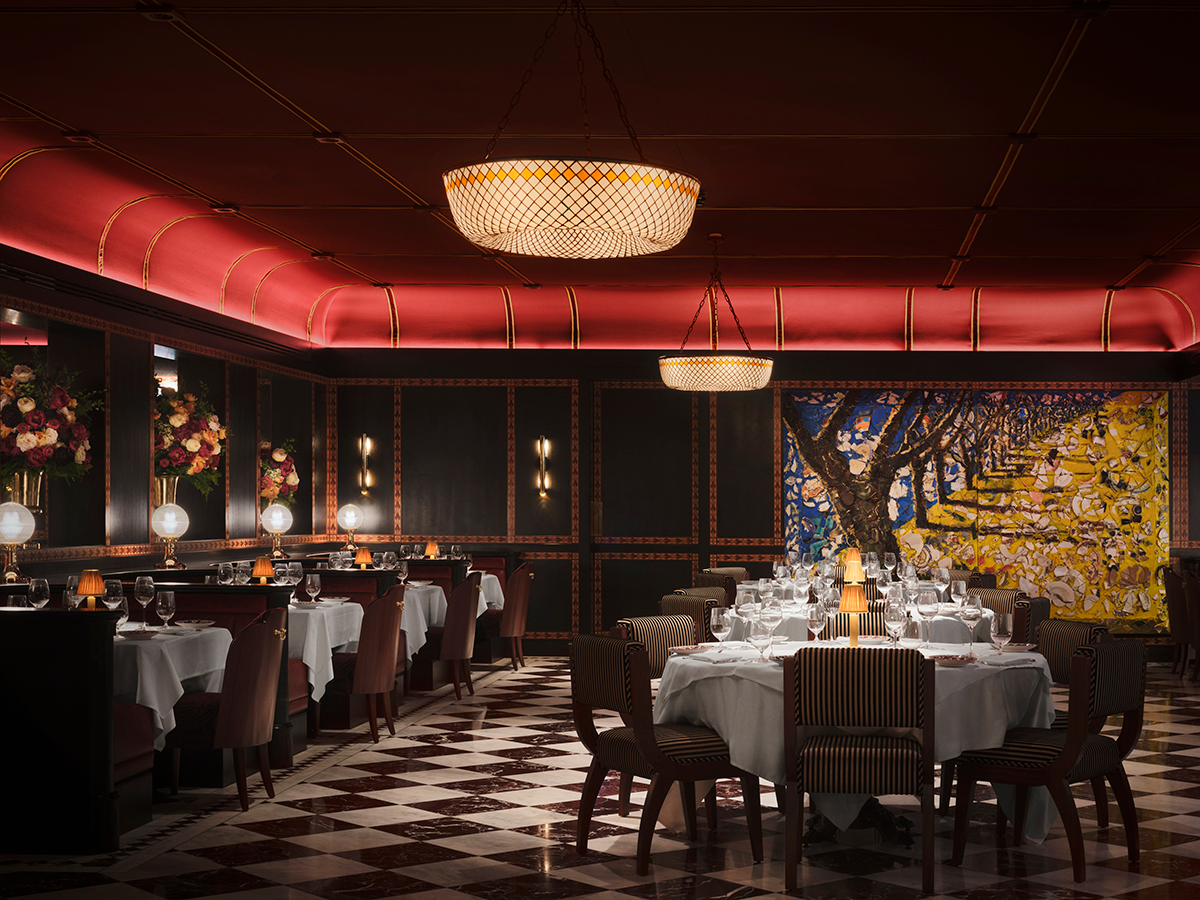
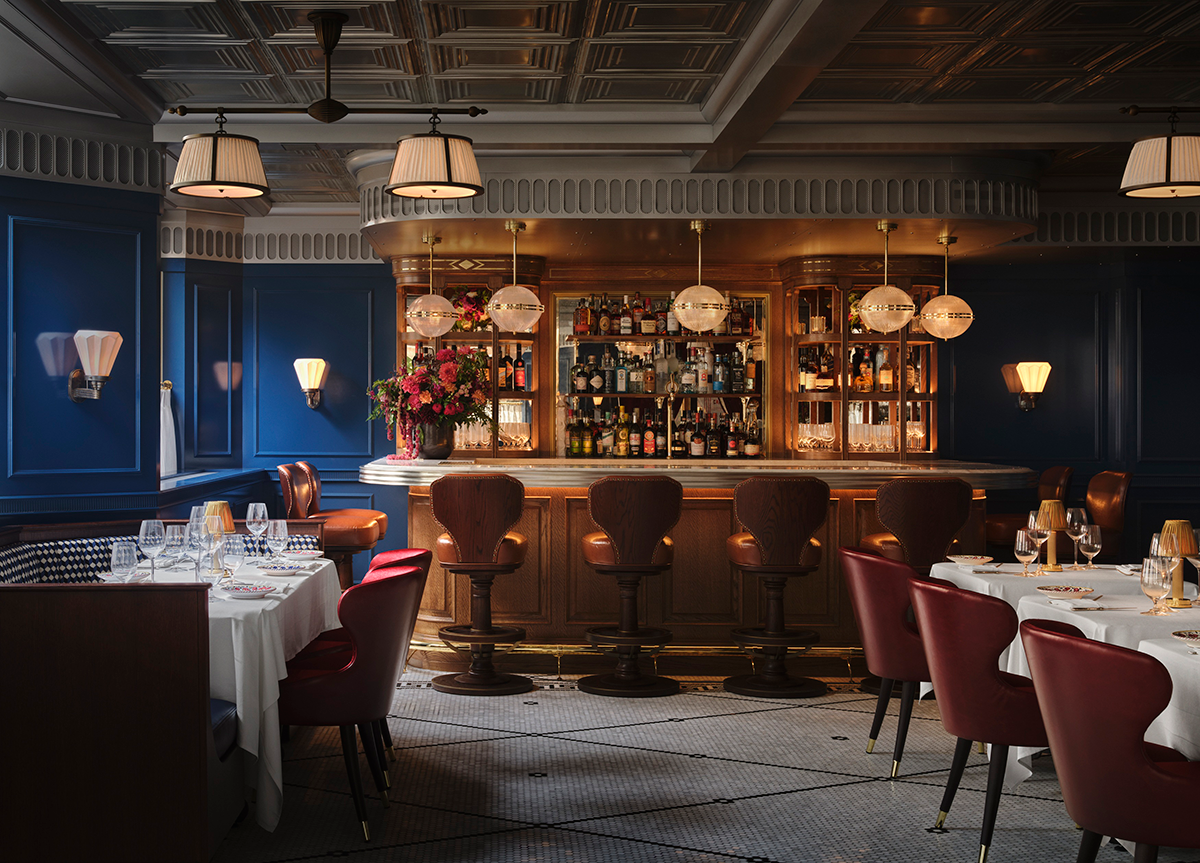
Across the North Sea in Mayfair, the mood shifts from civic virtue to private indulgence. Inside the former American Embassy, London’s iteration of Carbone has been dressed up as a mid-century midtown Manhattan supper club. It is an exercise in high-end nostalgia, thick with deep velvet banquettes, heavy, light-absorbing lacquered woodwork, and a curation of contemporary art that suggests a billionaire’s private den.
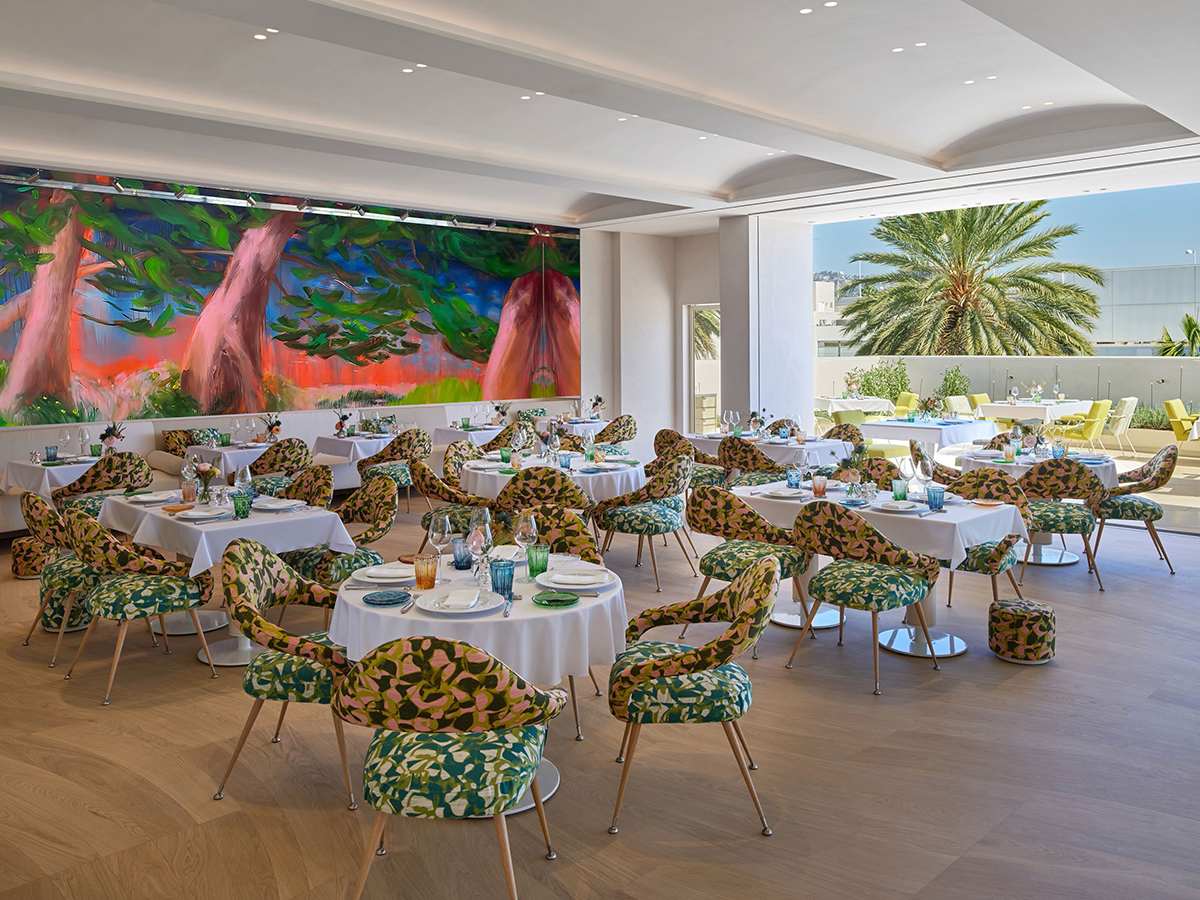
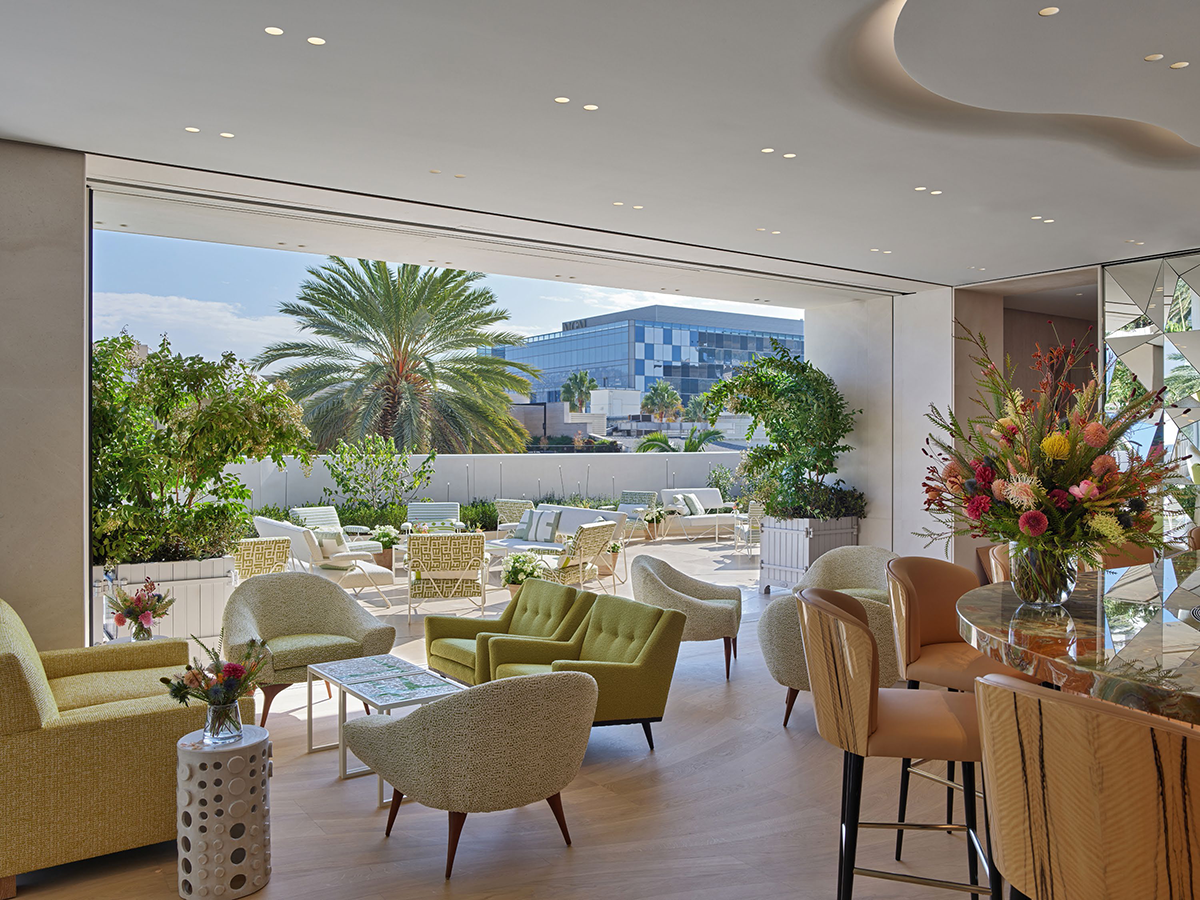
Fine dining has increasingly become an extension of the luxury ready-to-wear apparatus, and the House of Dior has contributed two outposts of Monsieur Dior to the list, each acting as a physical manifestation of a brand asset.
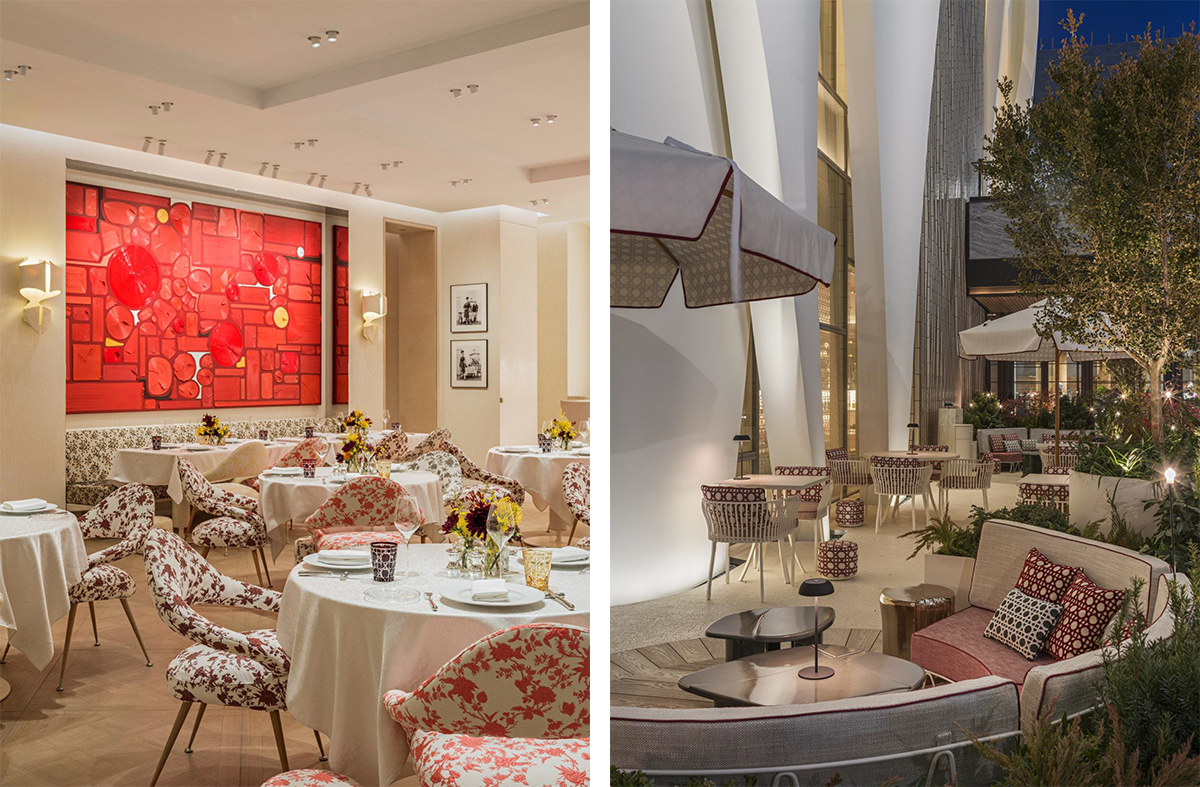
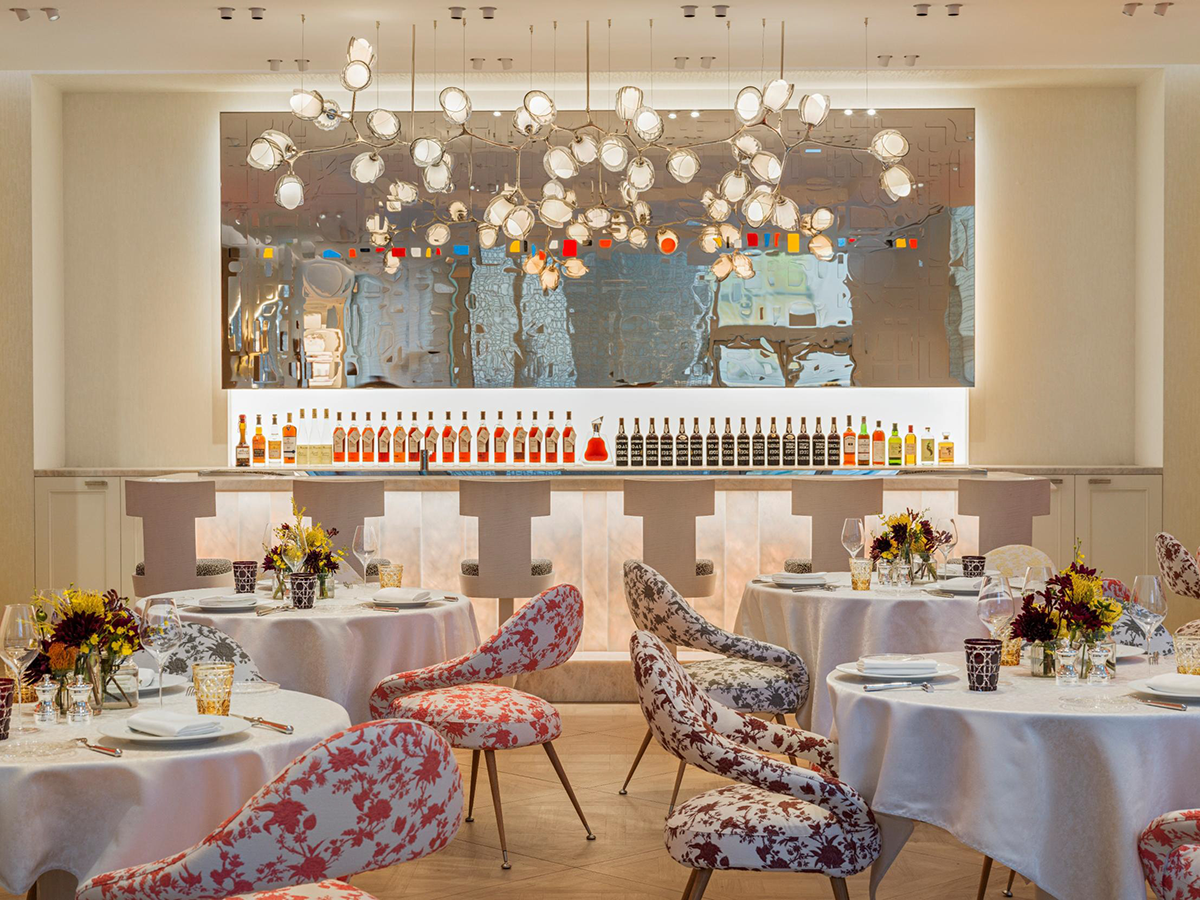
In Beijing, Anne-Sophie Pic’s dining room pairs classic French technique with Chinese nuance, surrounded by haute couture photography and tailored textiles. Meanwhile, on Rodeo Drive in Los Angeles, architect Peter Marino has built a sun-drenched, West Coast fantasy of Christian Dior’s beloved Parisian gardens, featuring rose-petal ceilings and a palette so aggressively vibrant it manages to feel simultaneously like the South of France and Southern California.


Elsewhere, the architecture functions as a passport. Egypt’s Escā Playa is carved into weathered rock to resemble an ancient desert cave, its rough, organic surfaces intentionally blurring the line between the natural landscape and the dining room.


In Cape Town, Chef Ángel León’s seafood temple, Amura, takes its cues from the meeting of the Atlantic and Indian Oceans, submerging diners in a subaquatic palette of deep sea greens, oxidized bronze, and undulating, liquid forms.
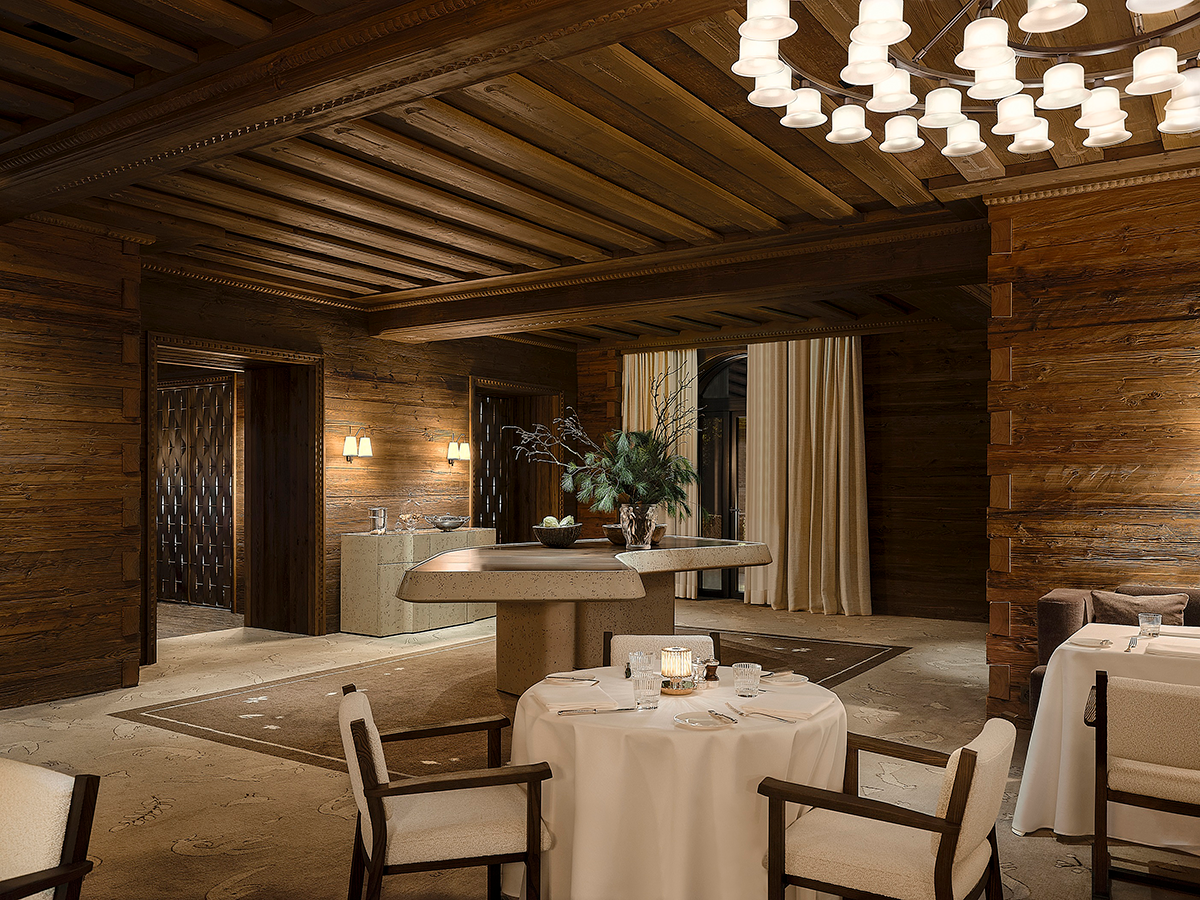
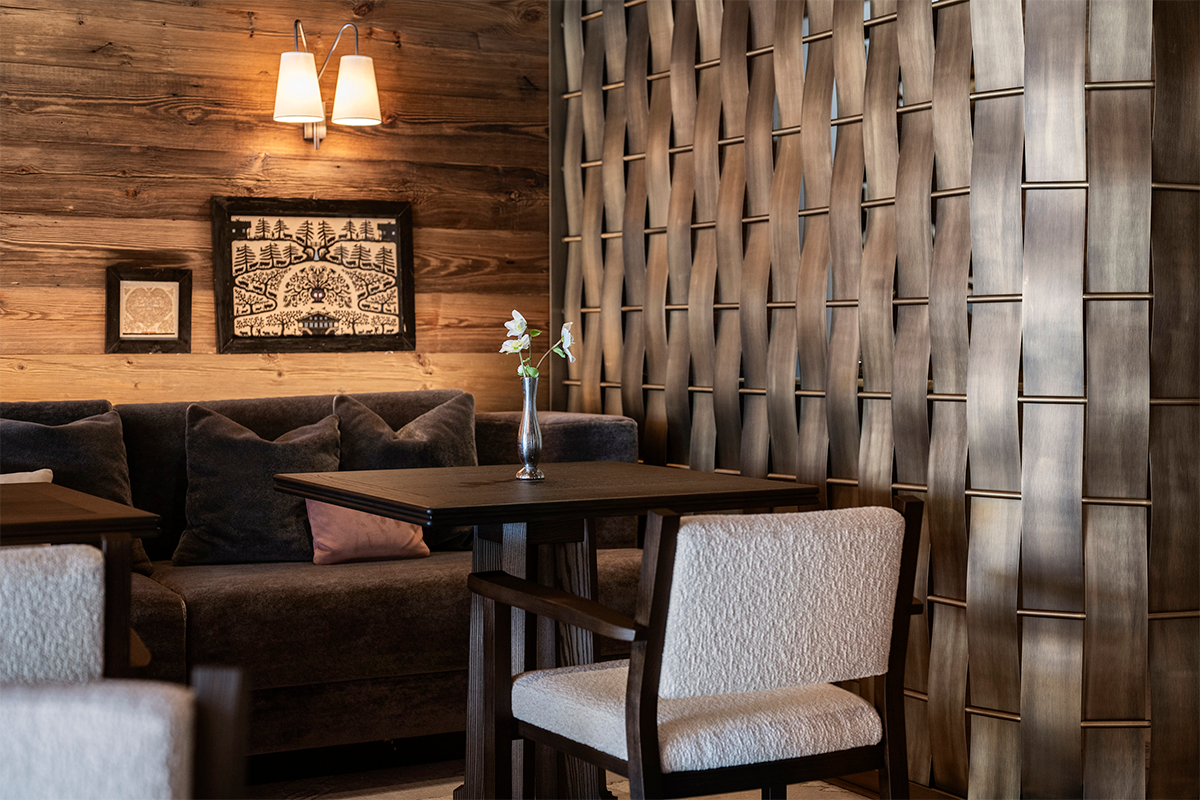
High in Gstaad, Switzerland, Monti pulls the Alpine landscape indoors through vast sheets of glass, framed by rustic woods that offer a cozy, highly curated Swiss minimalism.
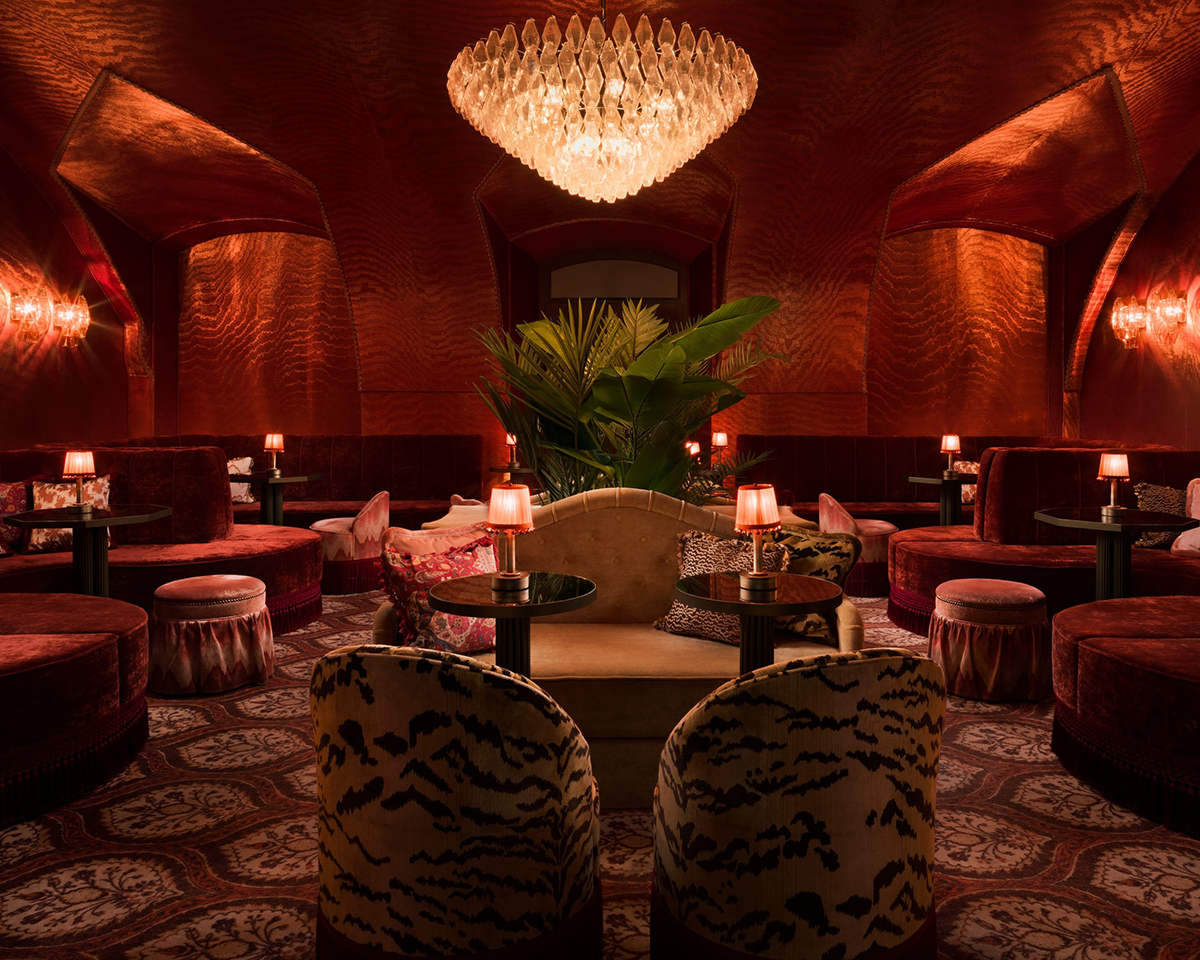
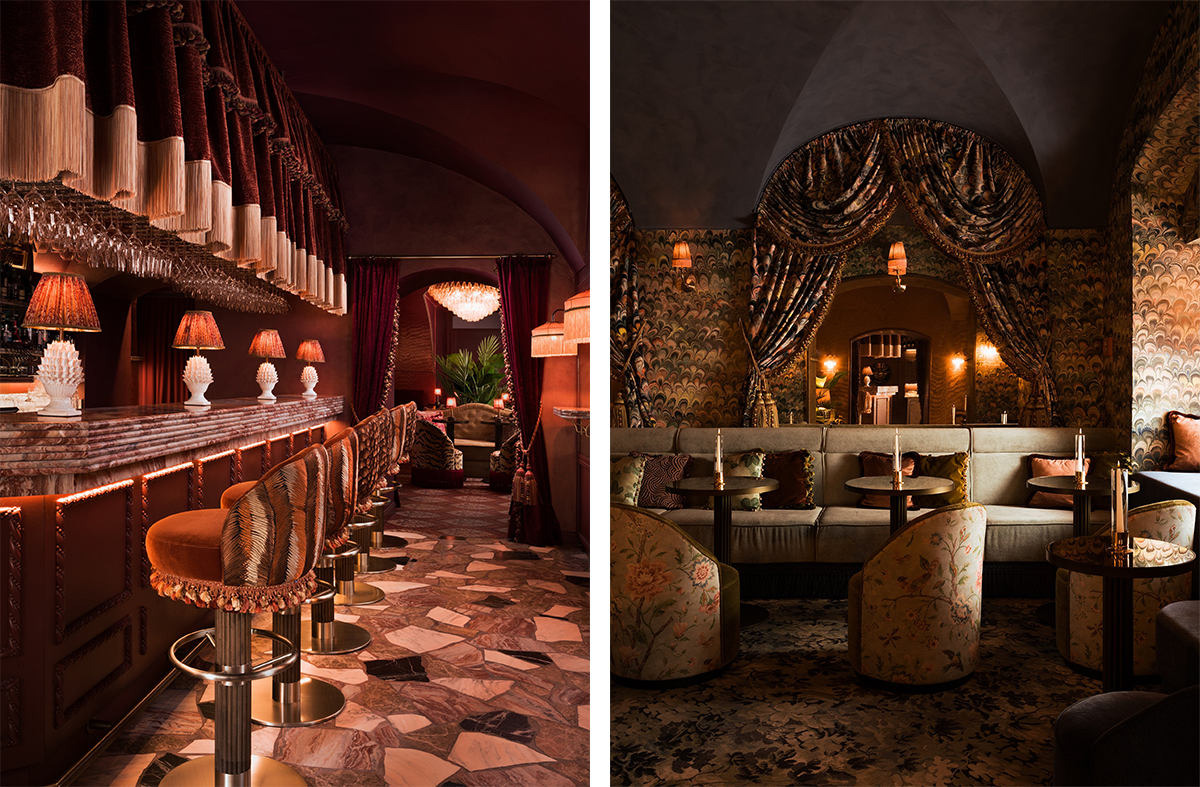
The remaining selections rely on pure narrative transport. In Vienna, Le Fou avoids Austrian imperial gravity by deploying a sequence of rooms lined in mohair velvet and raw stone, successfully evoking the smoky intimacy of a Left Bank lounge.
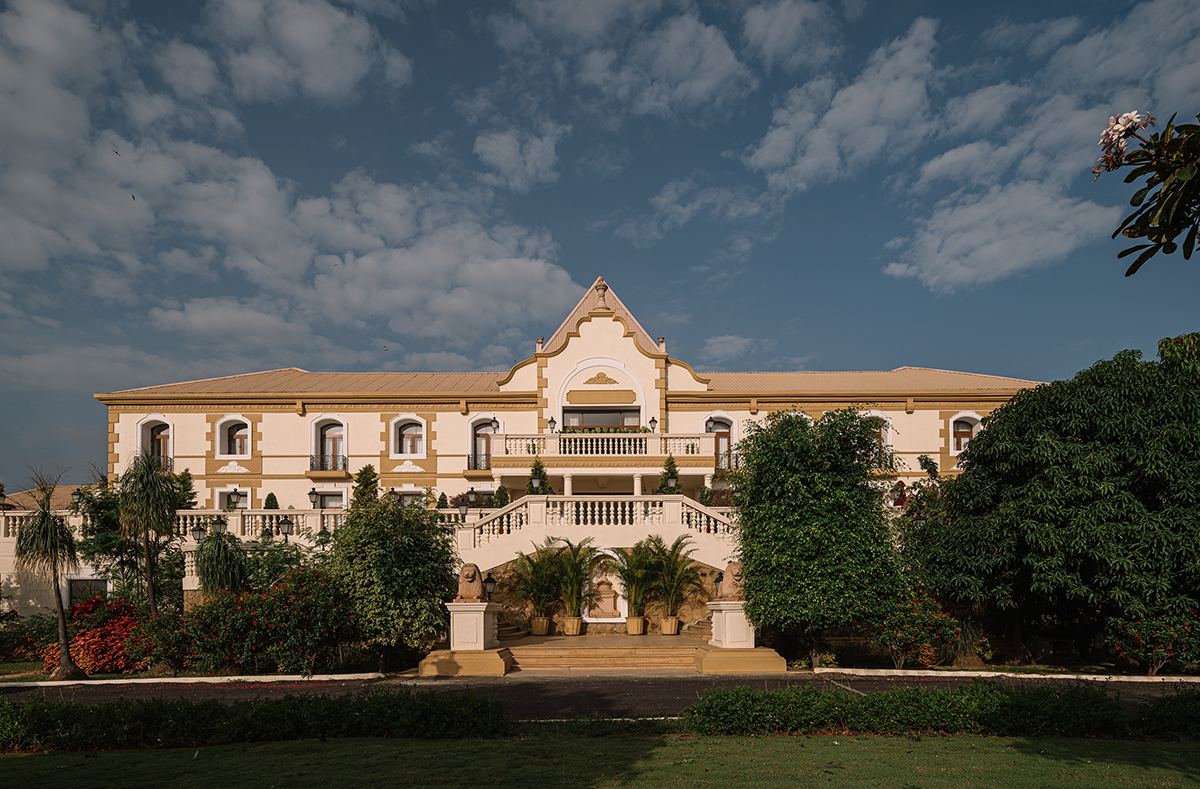
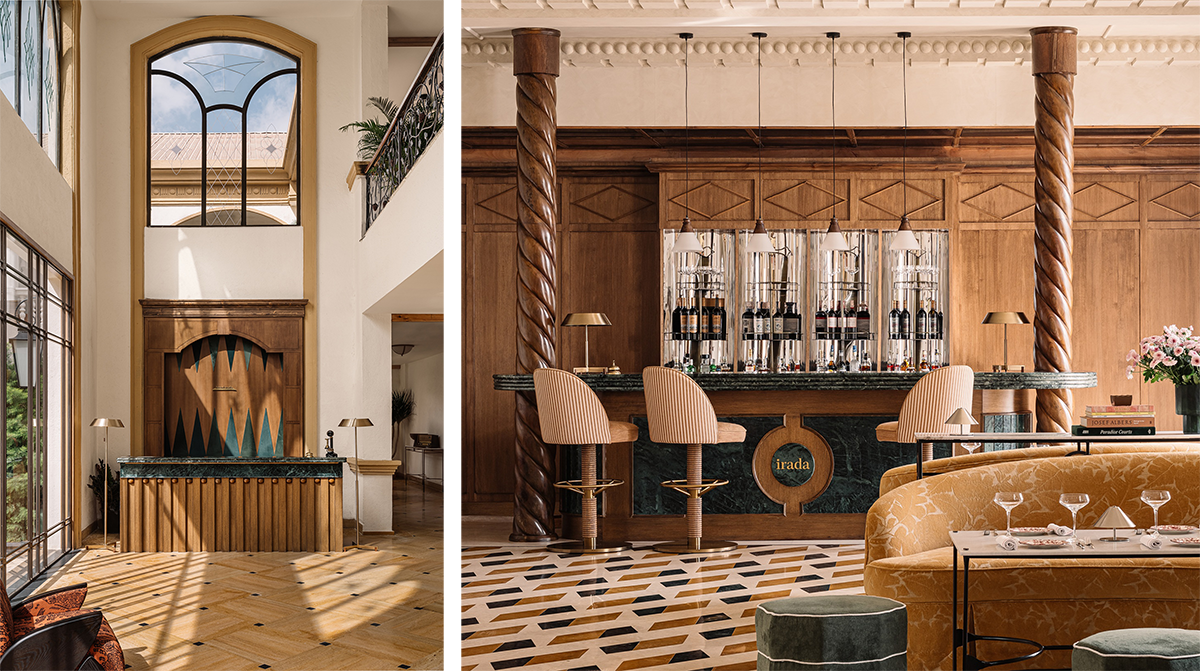
In the heart of India’s Pune Wine Country, a neoclassical mansion (Rosso) hosts a Southern Italian menu, offering an architectural collision of Mediterranean romance and subcontinental luxury.
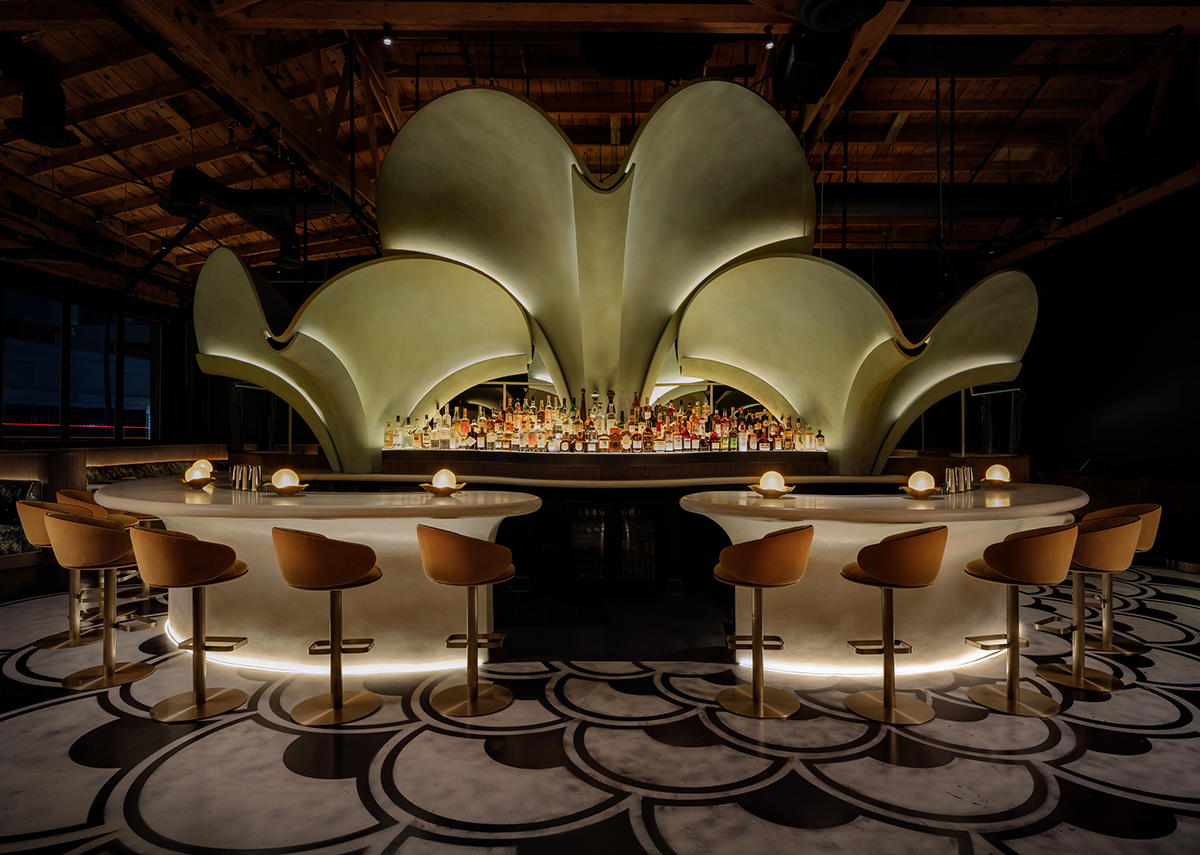
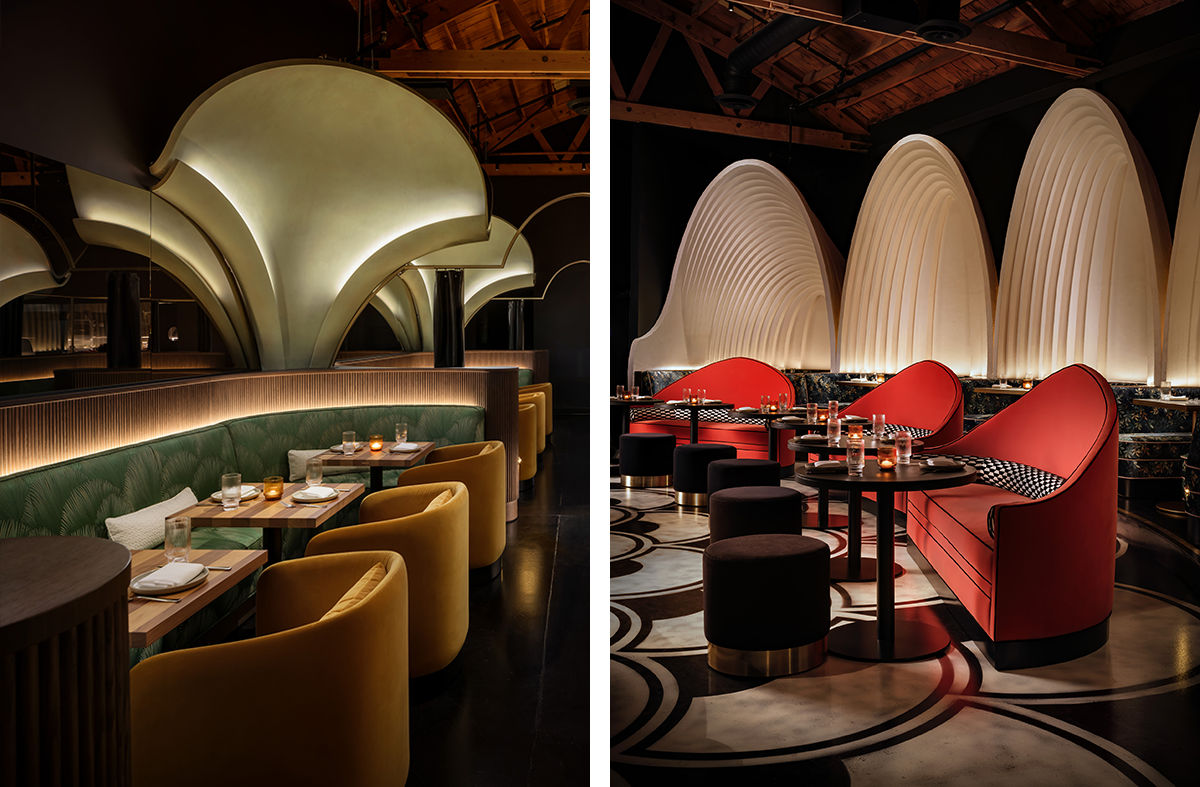
Back in Los Angeles, the vibrant spirit of the Afro-Caribbean comes alive in a tropical palette and a lively island vibe that feels less like a room and more like an transportive atmosphere. (Lucia)
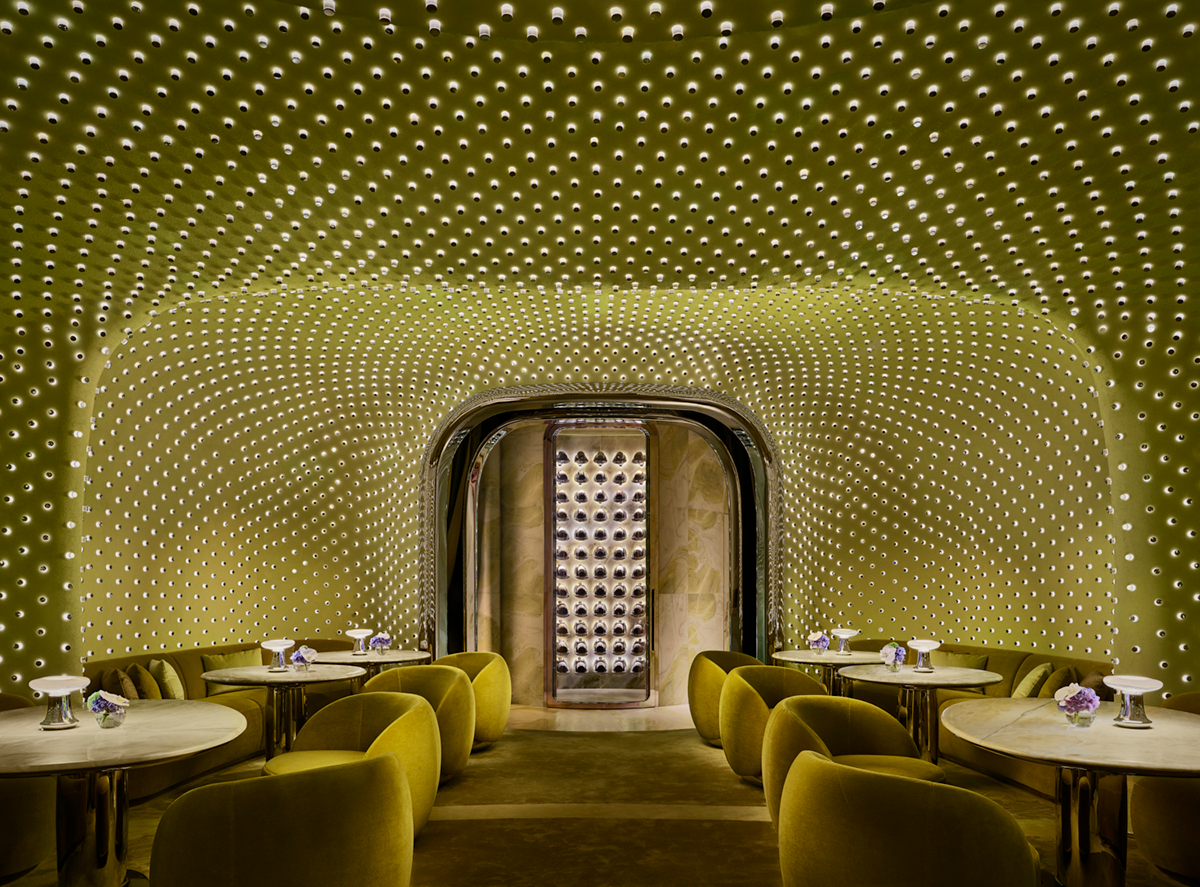
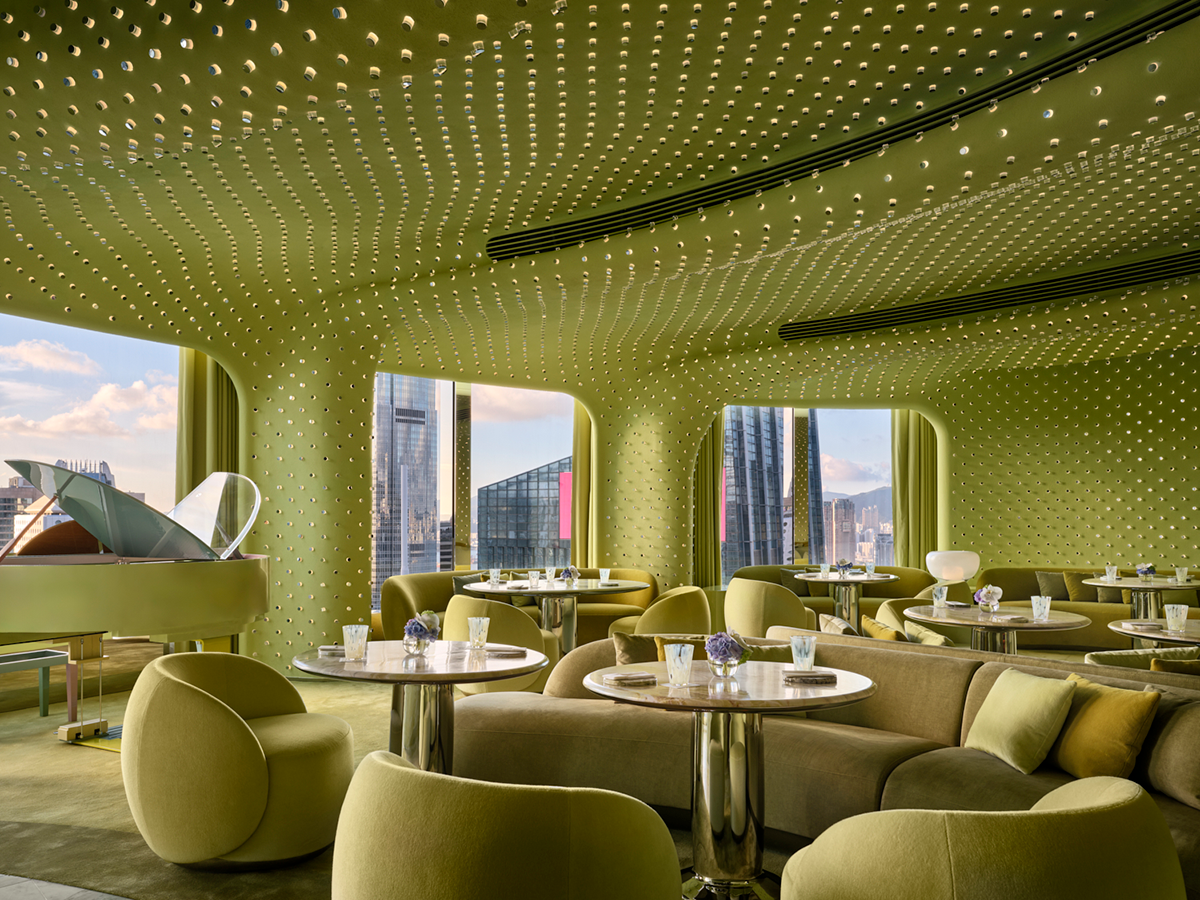
Then there are the outliers of pure style, where distinct inspirations shine across other global spotlights. At Peridot in Hong Kong, diners drink in a retro space-age cocktail lounge illuminated by the glow of twenty thousand handcrafted lights. In Florida, the sushi bar at Mottai offers a severe, monastic Japanese minimalism.
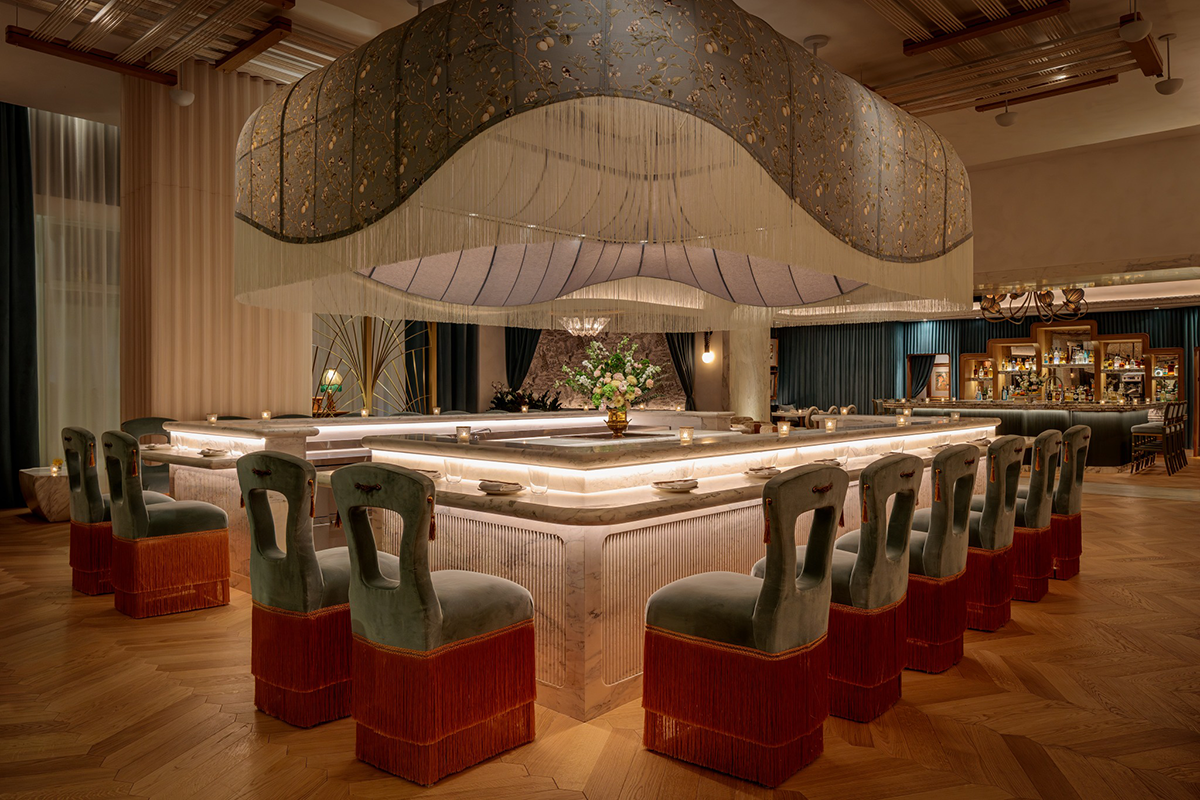
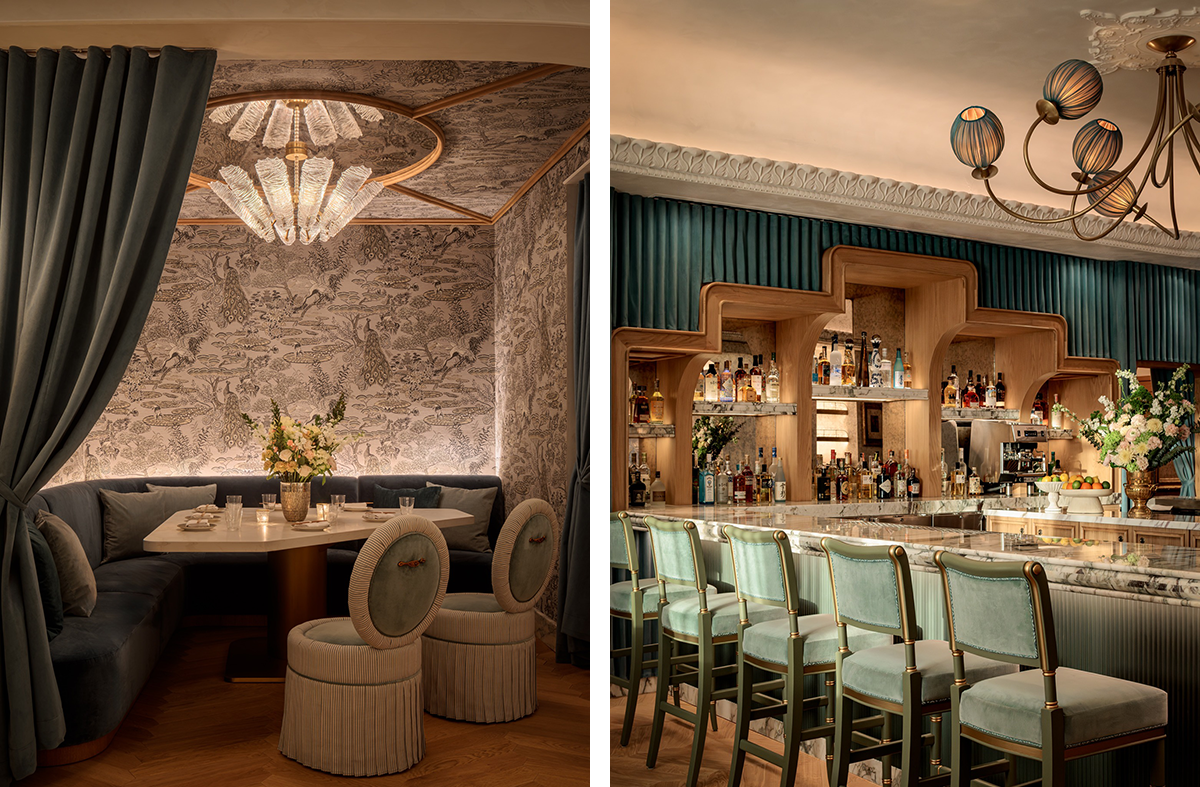
Last but not least, Marlow in Monte Carlo pays witty tribute to the eighteenth-century British eccentricities that shaped the French Riviera through mixed-era decor layered with historical references.
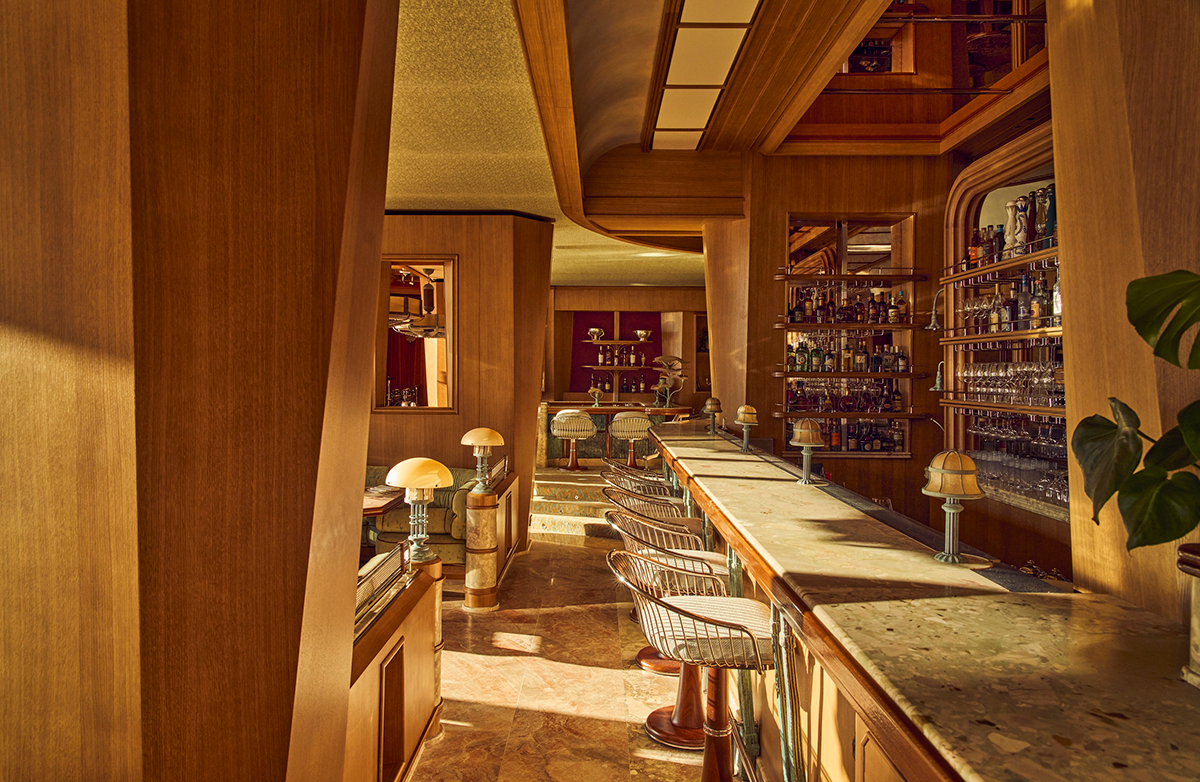
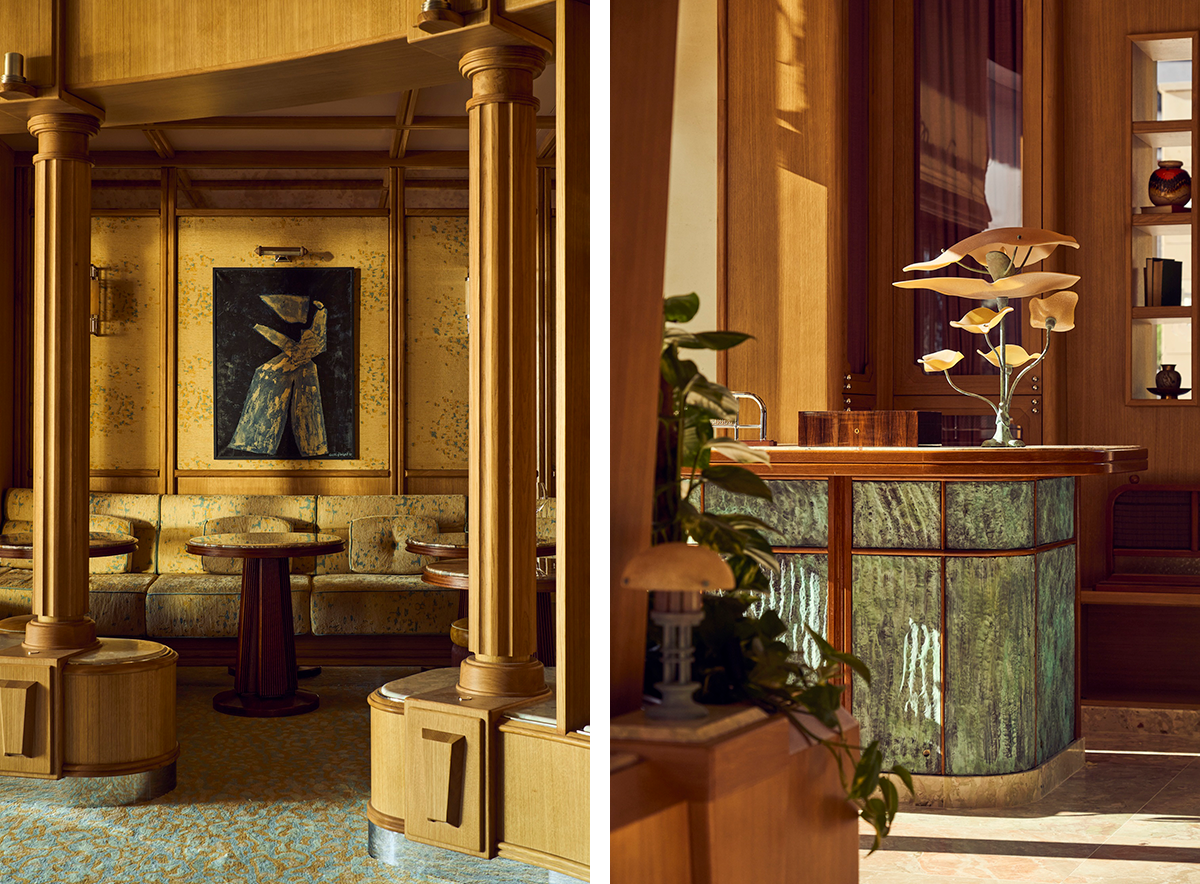
What these sixteen spaces share is the understanding that hunger is no longer merely physical. In the modern landscape, the restaurant must provide not just a plate, but a world.




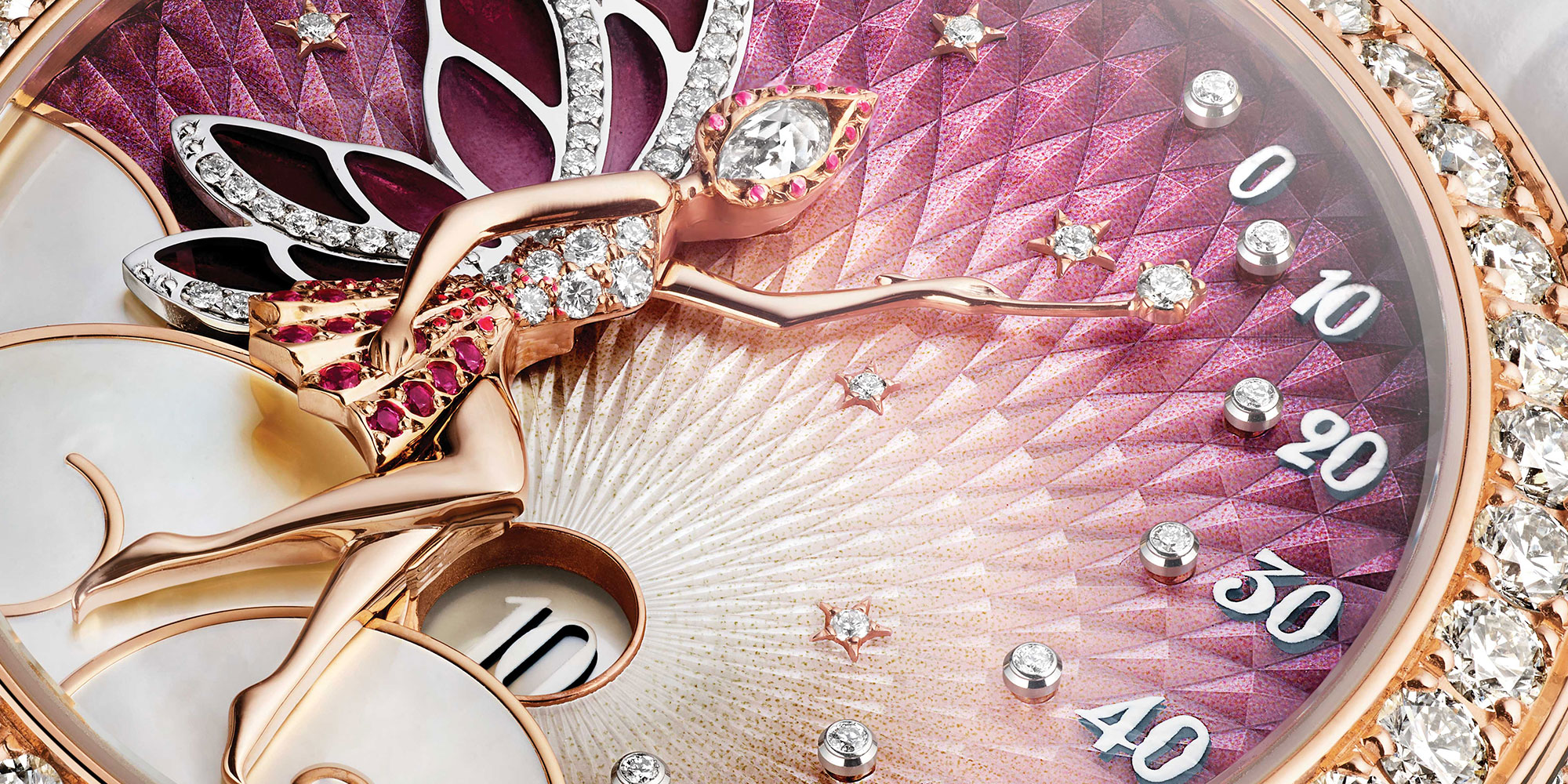
Magic Hour with Van Cleef & Arpels Lady Féerie Watch
Van Cleef & Arpels Lady Féerie is reimagined in new hues of rose.


Carriage House
Renovation of a centuries-old property brings new life and keeps Southern charm

Scottish Knits Turn to Parisian Style at Chanel
The finest Scottish cashmere puts a soft spin on Parisian sophistication at Chanel.

